9 reasons crossing the Canadian border is a nightmare now

Gone are the days when a smile and a passport got you across the world’s longest undefended border. In 2026, crossing north feels less like a road trip and more like navigating a bureaucratic minefield. With the Canada Border Services Agency (CBSA) facing a critical shortfall of 2,000 officers and travel sentiment plummeting, 56% of Canadians now actively avoid crossing into the United States because of the political climate.
The vibe has shifted from “Welcome” to “Why are you here?” I used to love spontaneous weekend trips to Montreal, but my last crossing felt more like an interrogation than a vacation. Here is why your next trip might be a headache.
The booths are empty, and the lines are long
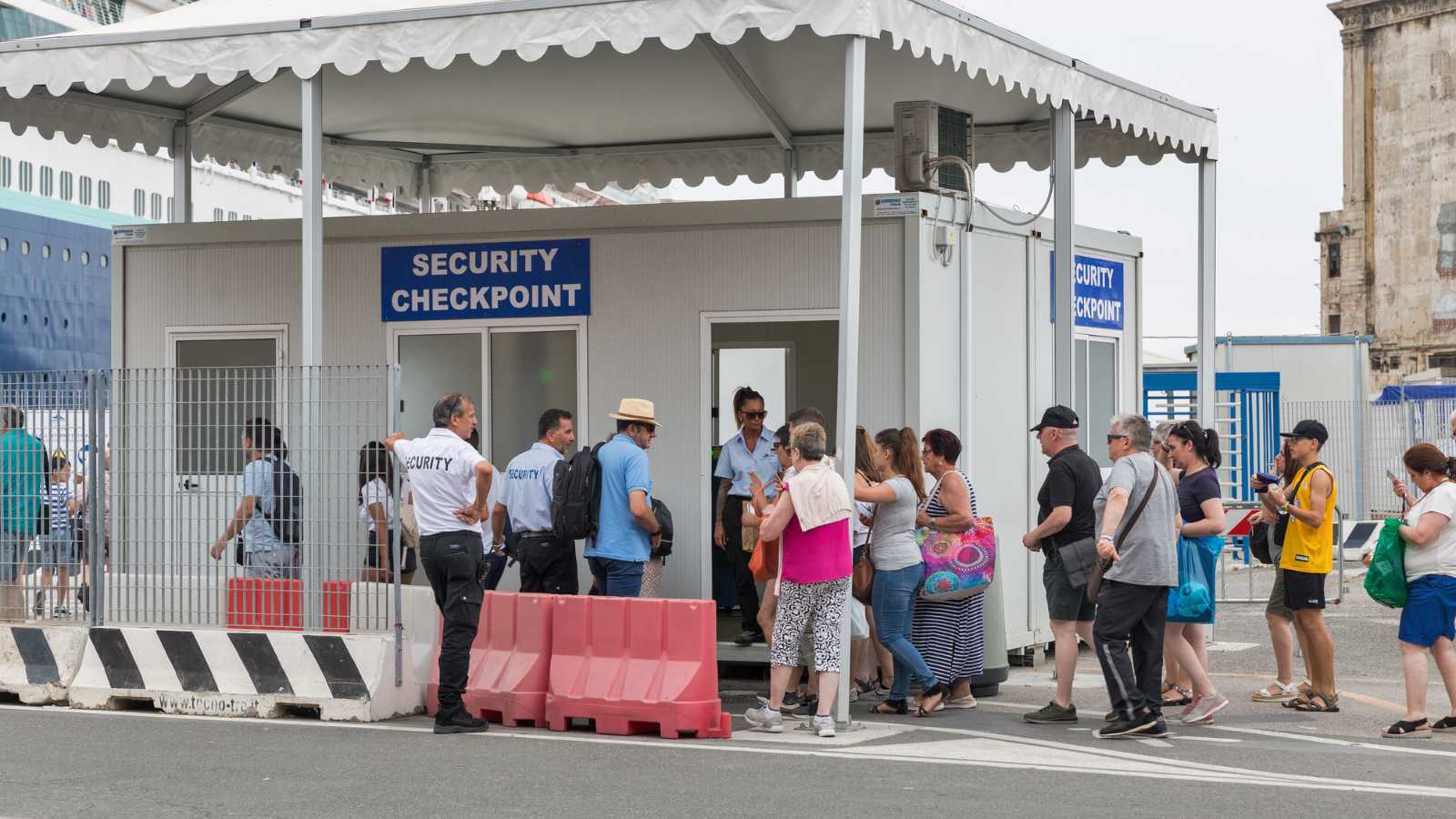
You pull up to the checkpoint, and half the lanes are closed. Why? Based on statements from the Customs and Immigration Union (CIU) and the Public Service Alliance of Canada (PSAC), the CBSA is currently grappling with a deficit of 2,000 front-line officers. Union president Mark Weber describes the situation as dire, noting that their single training facility produces fewer than 600 recruits a year, barely enough to cover attrition.
To cope, they’ve rolled out “One-Touch” automated kiosks. Weber calls these a “dangerous shortcut,” reducing security to a quick button press while you wait endlessly for the few remaining humans to resolve digital errors. Relying on understaffed tech is a recipe for gridlock.
Your college DUI is haunting you
Did you make a mistake in your 20s? Since December 2018, Canada has classified a DUI as “serious criminality,” putting it on the same legal level as major felonies. The old “10-year forgiveness” rule (Deemed Rehabilitation) is dead for new offenses.
This means a single misdemeanor from your past renders you inadmissible. Unless you pay for a Temporary Resident Permit or go through a years-long rehabilitation process, that fishing trip is over before it starts.
Privacy is officially dead

Ever wondered if a border agent can read your texts? They can, and they do. Despite recent legal pushback, like the Sultanov ruling in the US regarding warrantless searches, the operational reality is that agents on both sides retain broad powers to search devices.
It’s gotten so bad that the Law Society of British Columbia warns lawyers to travel with “clean devices” to protect client data. If you refuse to give up your password, they can detain your phone or deny you entry.
The NEXUS program has collapsed
NEXUS used to be the golden ticket for skipping lines, but now it’s just another bottleneck. Applications dropped in 2025 as travelers gave up on the system due to massive backlogs.
If you apply now, prepare for a wait; manual processing takes 12 to 24 months. Even if you get approved, finding an interview slot is like finding a unicorn.
Cannabis is a legal trap
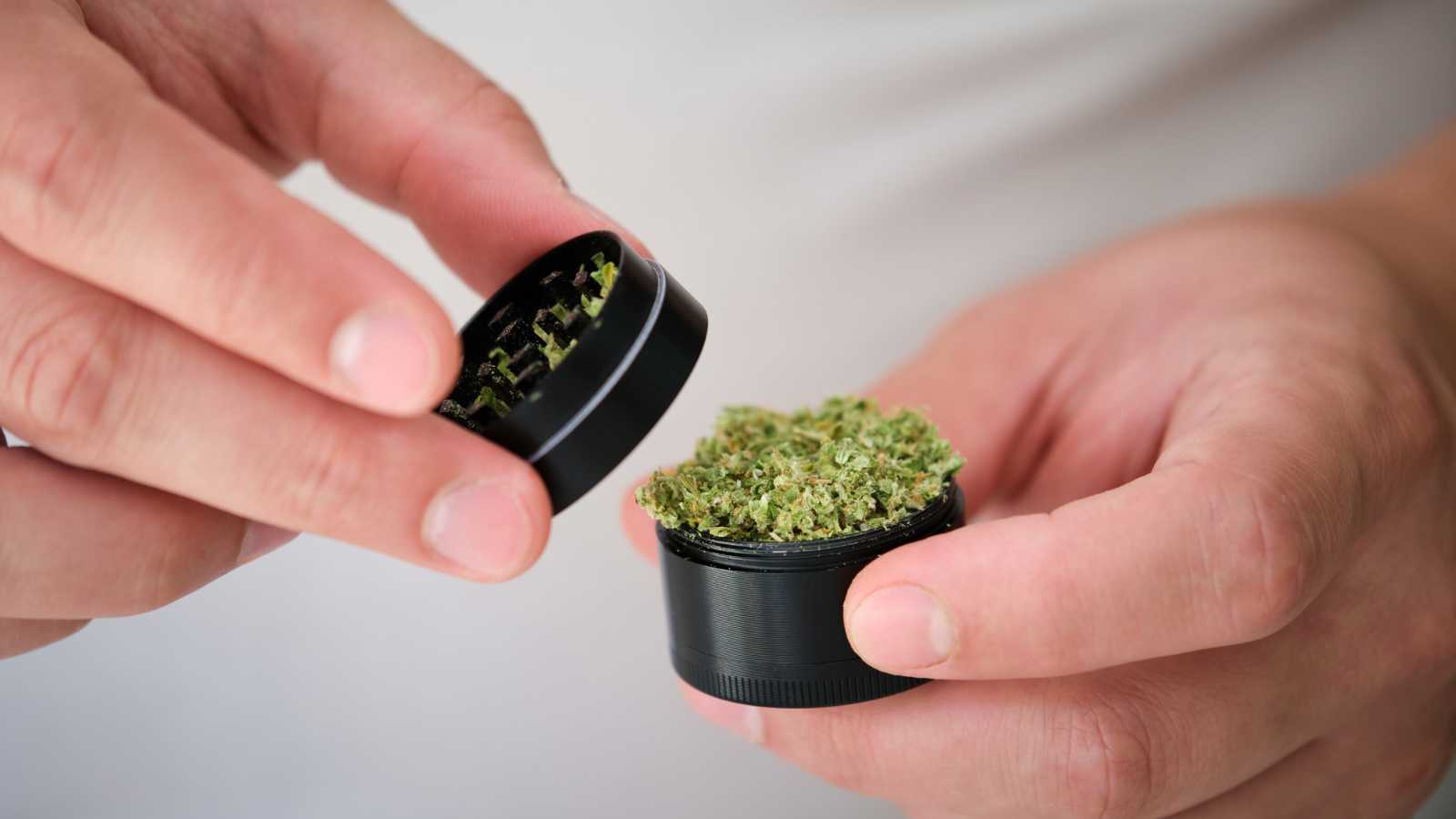
Here’s the ultimate irony: you can buy weed legally in Seattle and smoke it legally in Vancouver, but crossing the line with it is a federal crime. Seizures are skyrocketing, with the Pacific Region alone confiscating over 3,378 kg of cannabis recently.
Don’t think it’s a slap on the wrist. If they catch you, you face fines, arrests, and a lifetime ban from crossing. Leave the gummies at home, folks.
The digital nomad grey zone
Working remotely? Tread carefully. While Canada allows visitors to work for foreign employers, using the “W-word” at the booth triggers alarm bells about protecting the Canadian labor market.
Officers often flag nomads for secondary inspection to prove they aren’t stealing local jobs. Without a lease or return ticket, you look like a risk, not a tourist.
Guns equal immediate jail time
We love our Second Amendment rights, but Canada has zero tolerance for firearms. CBSA officers seized over 830 firearms in 2025 alone.
If you “forget” a pistol in your glove box, you won’t just get turned around; you’ll get arrested. It’s a felony charge that ends your international travel forever.
Political tension is thickening the border

The diplomatic chill is palpable. With tariff threats and political rhetoric heating up, the border feels “thickened” by suspicion and friction.
Travel surveys show that political discontent is a top reason people are staying home. You feel the tension in every interaction; it’s strictly business, and business isn’t good.
Wait times are wild and unpredictable
Forget historical averages. Volatility is the new norm. Bus passenger traffic at the Blaine crossing surged 291% in January 2025, creating massive, unexpected bottlenecks.
You can’t plan your crossing because they can’t staff the lanes. You might breeze through, or you might sit for three hours. Good luck guessing which one it’ll be.
Key Takeaway

The border isn’t what it used to be. With a 2,000-officer deficit, stricter laws on DUIs, and invasive tech searches, the “friendly” crossing is now a high-friction zone. FYI: Prepare your paperwork, clean your phone, and pack your patience, you’re going to need it.
Read the Original Article on Crafting Your Home.