


The post 9 Fashion Mistakes That Can Make a Woman Over 60 Look Dated, According to Stylists first appeared on Crafting Your Home
Turning 60 does not mean leaving style behind.
If anything, it can be the age when a woman knows herself well enough to stop dressing for approval and start dressing with intention. But even a wardrobe filled with beautiful pieces can lose its modern edge when proportions are wrong, favorite basics are worn past their prime, or a look becomes trapped in an earlier fashion era.
That is the more useful message behind today’s style advice for mature women. Stylists are not saying women over 60 need to “dress younger.” They are emphasizing fit, proportion, condition, comfort, and personal expression.
AARP fashion editor, stylist, and personal shopper Lois Joy Johnson has repeatedly focused on those elements in her guidance for women over 50. Her 2026 advice identifies overly tight, oversized, outdated, uncomfortable, and poorly balanced clothing among common wardrobe problems.
So, what can make an otherwise stylish woman look dated?
Here are nine wardrobe habits stylists say are worth reconsidering.
Wearing Everything Too Loose
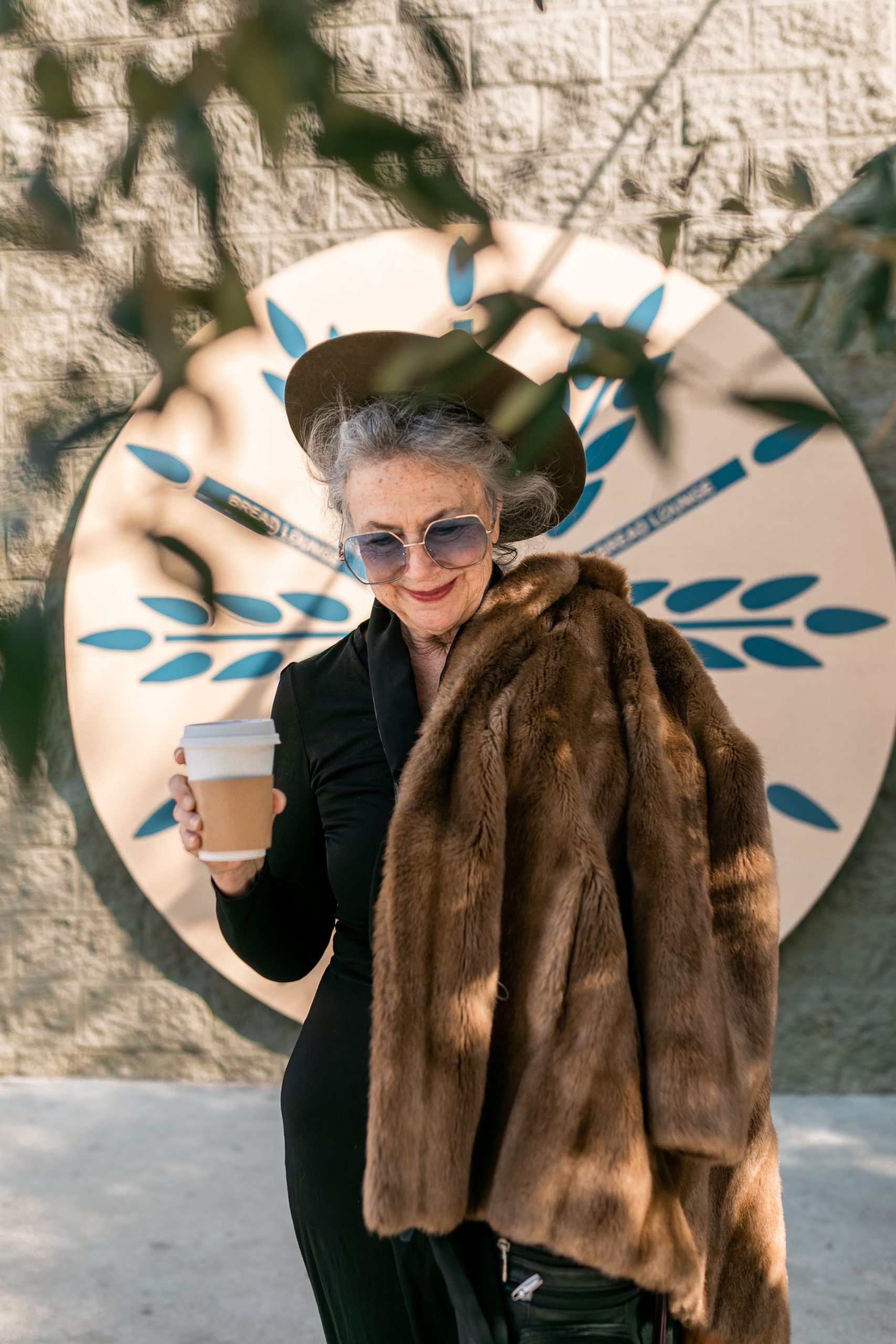
Oversized fashion can look effortlessly chic. But there is a difference between an intentionally oversized silhouette and clothing that overwhelms the wearer.
AARP’s Johnson identifies clothing that is excessively long, baggy, boxy, or shapeless as a common styling problem. Her advice is to pay attention to proportion and, where necessary, use tailoring to create more definition.
That does not mean squeezing into fitted clothing.
A loose blouse can work beautifully with streamlined trousers. A wide-leg pant can be balanced by a more defined top. A flowing dress can benefit from subtle shaping.
The objective is not to hide the body.
It is to make sure the clothes and the person remain in balance.
Going Too Far With Skin-Tight Clothes
The opposite extreme can be equally unhelpful.
AARP’s 2026 guidance cautions against taking skin-tight clothing too far and recommends balancing fitted pieces with more relaxed silhouettes
This is not an argument for hiding your figure after 60.
In fact, Stitch Fix’s guide for women in their 60s explicitly rejects old-fashioned restrictions on what mature women should wear. Its stylist encourages bold colors, patterns, and personal expression.
The better lesson is balance.
If the trousers are fitted, the jacket can have a little movement. If the top is closely tailored, a relaxed trouser can create contrast.
Style is often less about following rules than understanding proportion.
Holding Onto Clothes That Clearly Belong to Another Era
Fashion is cyclical, but it is rarely identical when it returns.
AARP’s 2025 style coverage notes that older trends often return in modified forms. Wearing an older version of a revived trend can therefore make an outfit appear dated rather than intentionally vintage. That does not mean every older garment belongs in the donation pile.
A vintage jacket, handbag or scarf can become a distinctive part of a contemporary wardrobe.
The problem is more likely to arise when an entire outfit still looks as though it came from the same decade.
One modern element can sometimes change everything.
A contemporary shoe.
A new silhouette.
A fresh bag.
A different way of layering an old favorite.
The goal is not to erase your history. It is to keep your wardrobe moving with you.
Ignoring the Power of Tailoring
Clothing sizes are not measurements of a person’s proportions.
Two women can wear the same size and need completely different alterations.
AARP’s fashion guidance recommends paying attention to sleeve lengths, trouser hems, skirt proportions, and overall fit. Johnson emphasizes that tailoring can transform how an item sits on the body.
This is particularly important with quality garments.
A jacket that fits beautifully across the shoulders but has sleeves that are too long can look unfinished. Trousers that pool around the ankles can make an otherwise polished outfit appear careless.
Sometimes a woman does not need a new wardrobe.
She needs a tailor.
Assuming “Comfortable” Means “Shapeless”
Comfort has become one of fashion’s great priorities, particularly for mature women.
But comfortable clothing does not have to surrender all structure.
AARP’s recent styling guidance recommends relaxed silhouettes while still using elements such as V-necks, peplum tops, tailored vests, and other details to create definition
Stitch Fix similarly recommends breathable fabrics such as cotton, linen, and chambray while pairing relaxed pieces with more structured garments such as jackets or blazers.
That combination can be powerful.
Soft fabric.
Easy movement.
A defined shoulder.
A deliberate neckline.
The result is comfort without looking as though the outfit was chosen solely for convenience.
Keeping Worn-Out Basics Because They Are “Classics”
A classic piece can last for years.
It cannot last forever.
Stitch Fix specifically advises women in their 60s to audit wardrobe basics and replace pieces that have become dated or worn. AARP’s specialized fashion coverage makes the same broader point in its advice about denim and swimwear: garments can lose their shape, elasticity, color, or polish through age and repeated wear.
That favorite black top may have been perfect five years ago.
But if the fabric has faded, the neckline has stretched, or the garment no longer holds its shape, it may be quietly dragging down the rest of the outfit.
“Timeless” does not mean indestructible.
Related: NYFW Street Style Just Changed the Fashion Rules: 12 Trends Everyone Will Be Copying Next
Believing Matching Everything Is the Safest Choice
A perfectly coordinated outfit can look elegant.
But too much coordination can also make a wardrobe feel predictable.
Who What Wear featured style advice from a woman over 60 who specifically identified overly matched outfits as a mistake and recommended mixing colors, patterns, and textures. This is worth labeling accurately: it is a style expert’s opinion, not a scientific finding.
There is nothing inherently wrong with monochromatic dressing. A head-to-toe neutral look can be exceptionally sophisticated.
But adding one contrasting texture, unexpected accessory, or different color can give an outfit more movement.
Sometimes elegance comes from knowing when not to match.
Dressing According to Age Rules Instead of Personal Style
This may be the most serious mistake to avoid.
The idea that women over 60 must abandon bright colors, bold patterns, modern silhouettes, or current trends is not supported by the stylist sources reviewed for this article.
Stitch Fix’s guide explicitly tells women in their 60s to discard old assumptions about how they “should” dress and encourages bold prints and colors.
AARP’s recent fashion coverage similarly emphasizes contemporary styling rather than rigid age restrictions. Its 2026 fall forecast recommends modern pieces including wide-leg dark-wash jeans, refined jackets, suede accessories, and textured fabrics for women over 50.
So if you love a dramatic print, wear it.
If wide-leg jeans make you happy, wear them.
If a current trend feels authentically yours, there is no stylistic expiration date attached to it.
The question should be “Does this suit me?”, not “Am I too old for this?”
Related: 6 Fashion Trends That Are Bringing Personality Back to Everyday Style
Sacrificing Comfort for the Sake of Looking “Fashionable”
There is a point at which fashion stops serving the wearer.
AARP’s 2026 guidance specifically identifies uncomfortable clothing as a recurring outfit mistake, including restrictive garments and footwear that can make everyday movement unpleasant
Its shoe guidance also warns about buying the wrong size and wearing footwear that can contribute to blisters, irritated skin, and other discomfort.
A stylish shoe that leaves you limping home is not necessarily a style victory.
The same applies to restrictive shapewear, stiff fabrics, and clothing that requires constant adjusting.
Clothes should work with your life.
They should allow you to walk, sit, move, laugh, and enjoy yourself without constantly thinking about what you’re wearing.
The Goal Isn’t to Look Younger
That may be the most important distinction in this entire conversation.
There is nothing inherently wrong with looking 60.
The problem with much of traditional “anti-aging” fashion advice is that it assumes looking younger is automatically the objective.
The strongest stylist guidance suggests something more sophisticated.
Look current. Look comfortable. Look like yourself.
A woman over 60 does not need to disguise her age. She needs clothing that reflects the person she has become.
That might mean updating an old pair of jeans.
It might mean replacing a worn-out cardigan.
It might mean tailoring a favorite jacket.
Or it might mean wearing a bright color she was once told was “too much.”
The evidence here is primarily professional stylist and fashion-editor guidance, not scientific research proving that a particular garment adds a certain number of years to someone’s appearance. AARP, Stitch Fix and Who What Wear offer different perspectives, and they do not agree on every style preference.
That disagreement is healthy. Fashion is personal.
And perhaps the most dated fashion rule of all is the idea that a woman reaches a certain birthday and suddenly needs permission to stop experimenting.
At 60, 65, or 75, style can still evolve.
A wardrobe can become more refined without becoming conservative. It can become more comfortable without becoming shapeless. It can become more modern without pretending to belong to another generation.
<