

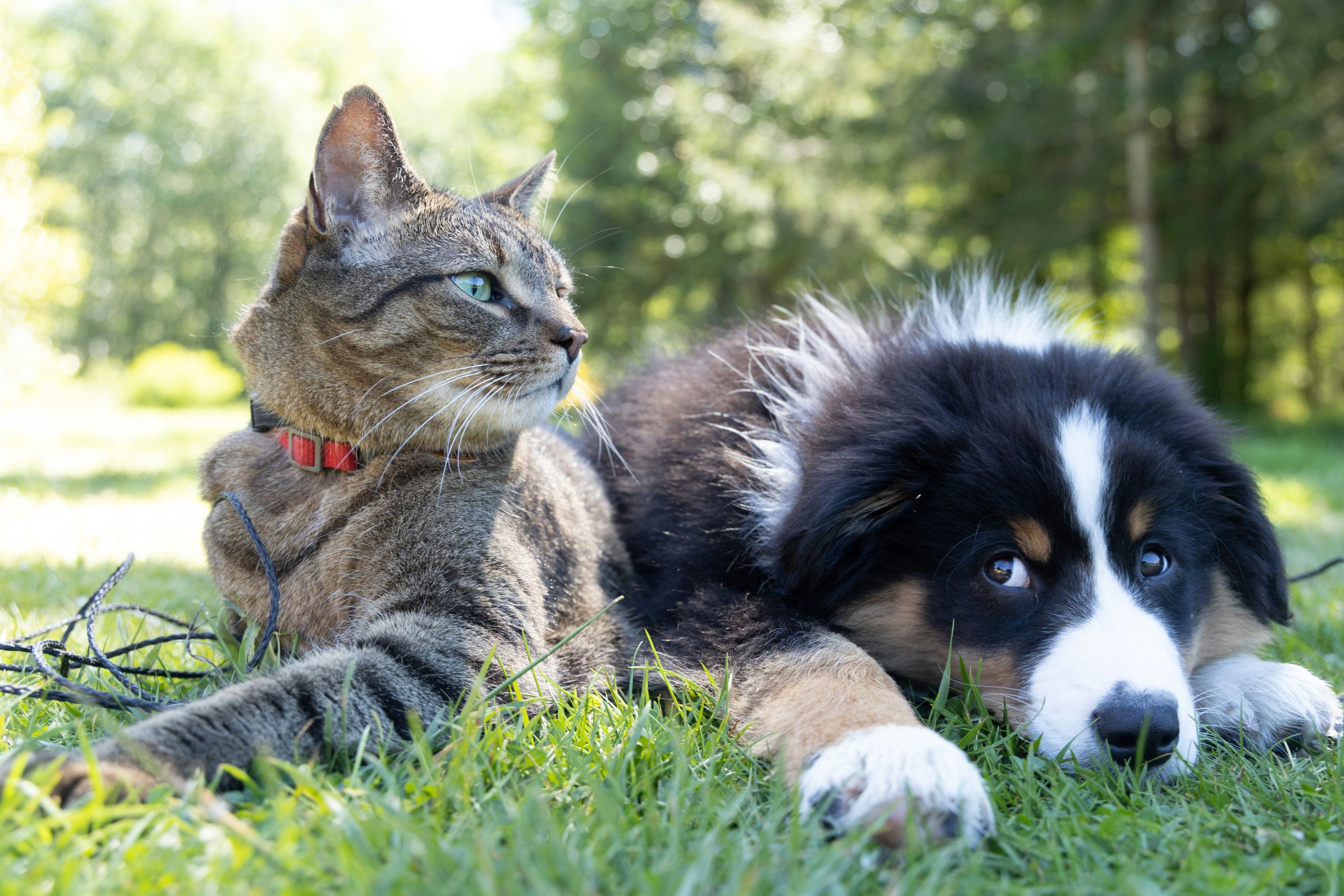
As much as plants can bring beauty, tranquility, and cleaner air to your home, some of them pose a serious threat to your furry companions. Whether they’re curious puppies or inquisitive cats, pets often explore the world through their mouths, and unfortunately, that means they can accidentally ingest plants that are harmful to their health.
In this guide, we outline 9 common household and garden plants that are toxic to pets, with vital information on the potential dangers and how to protect your pets from harm.
Aloe Vera

Aloe Vera is well known for its healing properties for humans, often used for soothing burns or moisturizing the skin. However, for your pets, particularly dogs and cats, it’s a completely different story.
Aloe Vera contains saponins and anthraquinones that can lead to vomiting, diarrhea, lethargy, tremors, and in some severe cases, changes in the color of urine. While humans can benefit from its medicinal properties, always ensure that Aloe Vera is kept out of reach of your pets to avoid potential harm.
Lily of the Valley
Lily of the Valley is another garden favorite with highly toxic properties for both cats and dogs. This plant contains cardiac glycosides, which can disrupt heart function if ingested. Symptoms of poisoning include vomiting, diarrhea, heart irregularities, and a drop in heart rate.
This plant is particularly dangerous for pets who may nibble on the attractive flowers or leaves. Keep this plant far away from pets and consider safer alternatives for your garden.
Cyclamen
Cyclamen, also known as the Persian Violet, may seem like a harmless, colorful houseplant, but it can be deadly for pets. Both the tuber (root) and the leaves contain saponins that are toxic to dogs and cats when ingested.
Symptoms include drooling, diarrhea, vomiting, and in extreme cases, seizures or heart failure. Cyclamen should be kept far out of reach, particularly from curious animals who might chew on it.
Azaleas

Azaleas are a common flowering shrub in gardens, but they’re extremely toxic to both cats and dogs. Azalea leaves contain grayanotoxins, which can cause nausea, vomiting, diarrhea, and even more severe symptoms like seizures and heart arrhythmias if ingested.
In the worst-case scenario, poisoning from azaleas can lead to death if not treated promptly. If you have pets that roam freely in the garden, consider removing or relocating these plants.
Oleander
Oleander is a hardy, ornamental plant commonly found in gardens, but it is extremely toxic to both pets and larger animals like horses and cattle. All parts of the plant contain toxic compounds called cardenolides that can cause heart problems, nausea, vomiting, and even death.
Even a small amount of ingested Oleander can lead to severe poisoning, so it is advisable to avoid planting this shrub altogether if you have pets in your home.
Daffodils
Daffodils are a common flower in gardens and often used in floral arrangements, but they pose a threat to pets, especially when their bulbs are ingested. The bulbs contain lycorine, a toxic substance that can cause vomiting, diarrhea, abdominal pain, and even heart and respiratory problems.
If you have dogs or cats that like to dig around in the garden, be extra cautious with daffodils, particularly when they are in bloom.
Tulips

Tulips are a common spring flower that many pet owners love to bring indoors or plant in their gardens. However, the bulbs of tulips contain allergenic lactones and alkaloids, which are highly toxic to dogs.
When ingested, they can cause tissue irritation in the mouth, esophagus, and stomach, leading to symptoms such as drooling, vomiting, and diarrhea. It’s important to be aware of the dangers of tulip bulbs, especially during the planting season.
Sago Palm
Sago Palms are ornamental plants that are particularly common in tropical and subtropical climates. However, they are highly toxic to pets, particularly dogs. The seeds contain cycasin, a potent toxin that can cause severe liver damage.
Symptoms of poisoning include vomiting, diarrhea, lethargy, and in severe cases, liver failure. Keep sago palms out of your home and garden if you have pets, especially if they tend to chew on plants.
Lilies
Lilies are some of the most beautiful flowers you can have in your home, but unfortunately, they are also among the most dangerous for cats. While they are not as toxic to dogs, ingesting even a small amount of the plant, whether it’s the petals, pollen, or leaves, can cause severe kidney damage in cats.
Symptoms like vomiting, loss of appetite, and lethargy can appear within hours of ingestion. If you have cats at home, it’s crucial to avoid keeping lilies anywhere accessible to them.
Conclusion
It’s essential to be aware of the potential dangers posed by household and garden plants to your pets. With some plants being more toxic than others, it’s important to either avoid them entirely or ensure they are placed well out of reach. If you suspect your pet has ingested a toxic plant, seek immediate veterinary attention to ensure they receive proper care.
Taking the time to research which plants are safe and which are dangerous can help you create a pet-friendly environment that’s both beautiful and safe. It’s better to be safe than sorry, avoid keeping toxic plants in your home and garden, and choose pet-friendly alternatives instead.


