4 Most Controversial Foods on Earth
While some foods are just mere meals, others come wrapped in ethical dilemmas, environmental degradation, and, at times, health risks. These controversial foods have stirred up emotions and discussions worldwide, not only for their origins and production methods but for their lasting impact on both the environment and humanity.
Below, we uncover some of the most controversial foods in the world and reveal the stories behind them.

Kopi Luwak is one of the most expensive coffees known for its unique production method. The coffee beans are consumed, digested, and excreted by the Asian palm civet. The beans are collected from the feces of these animals, cleaned, and processed into coffee. While the story marketed to consumers suggests that wild civets pick only the finest cherries, the reality is far more disturbing.
In truth, the demand for Kopi Luwak has led to the poaching of civets, who are then kept in cramped cages and force-fed a diet of coffee cherries. These animals often suffer from malnutrition and psychological distress due to their confinement. The coffee industry has been built on deception, as many producers falsely claim their coffee is sourced from wild civets when it is, in fact, produced by caged animals.
The entire process has led to widespread animal cruelty, and the romanticized image of Kopi Luwak is now being exposed as a marketing ploy that hides the suffering behind the beans.

The ortolan bunting, a tiny songbird native to Europe, has been the center of a dark French culinary ritual for centuries. The preparation of this bird is as gruesome as it is controversial. The ortolan is trapped, force-fed millet until it becomes fat, then drowned in brandy, roasted whole, and consumed in a ritualistic manner.
The ritual of eating ortolan involves consuming the bird whole, beak, bones, and all, often under a napkin, to conceal the act from others. This practice, which dates back to the 18th century, was banned in 1999, but enforcement has been lax, and the black market for ortolan continues to thrive. This delicacy has become a symbol of wealth and power, a dish consumed by the elite to demonstrate their disregard for the law.
Despite conservation efforts, the ortolan population is dwindling, and the law banning its hunting is often flaunted, making the dish a highly controversial and illegal practice.
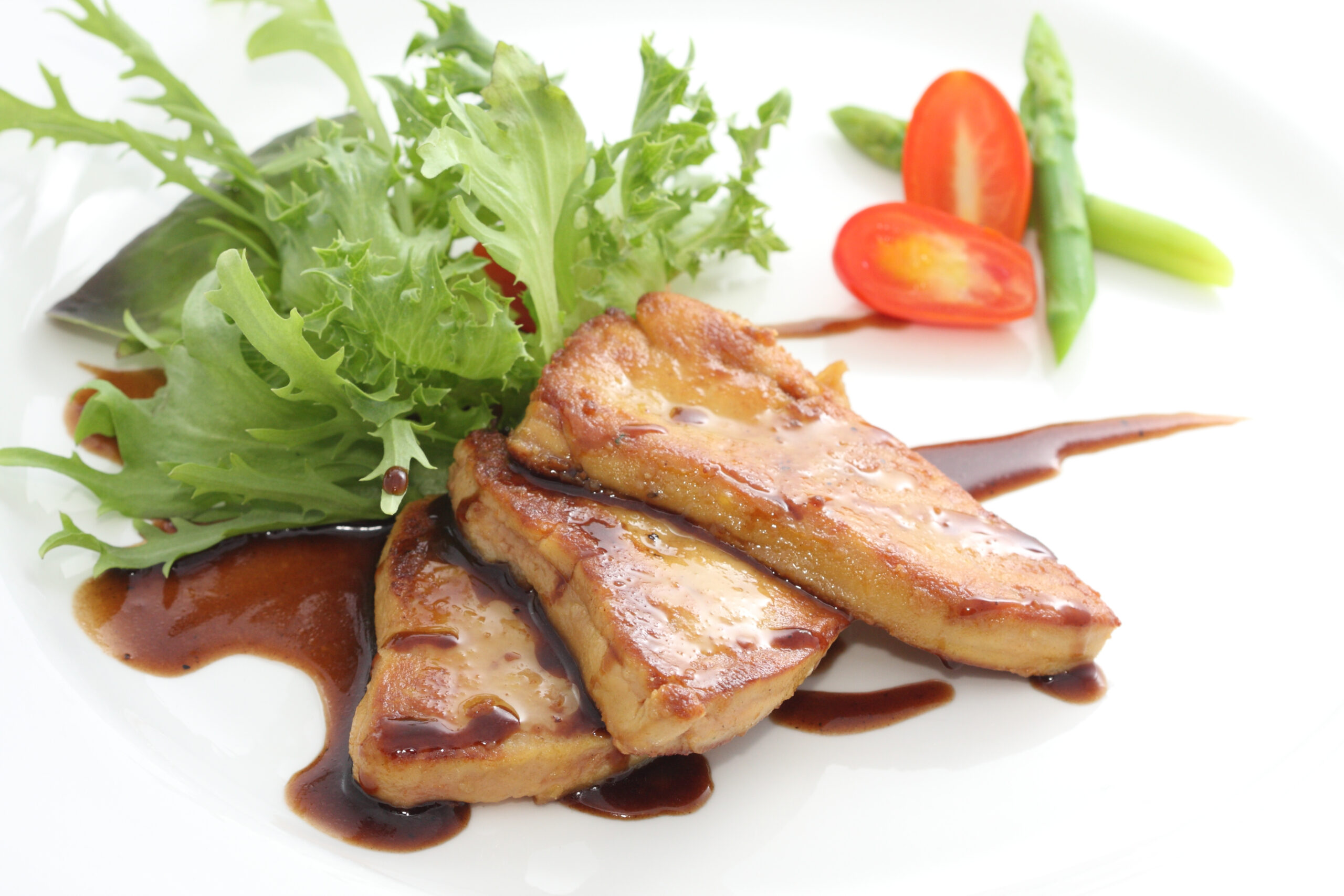
Foie gras, the French delicacy known for its rich, buttery flavor, has long been a symbol of opulence. However, this luxurious food is not without its severe ethical issues. The production of foie gras involves the force-feeding of ducks or geese through a process called gavage. This practice causes the birds’ livers to swell up to ten times their normal size in a manner that is both painful and unnatural.
In France, the leading producer of foie gras, the industry only uses male ducks, which means female ducklings are often discarded in horrific ways. The birds are confined to small cages, unable to move freely, and deprived of basic needs like water for bathing. While some claim to produce “ethical” foie gras by letting ducks gorge themselves naturally before migration, such farms are rare and produce significantly smaller livers, making the practice unsustainable.
As demand for foie gras increases, so does the suffering associated with it. Critics argue that this practice cannot be justified by culinary tradition when weighed against the animal cruelty involved.
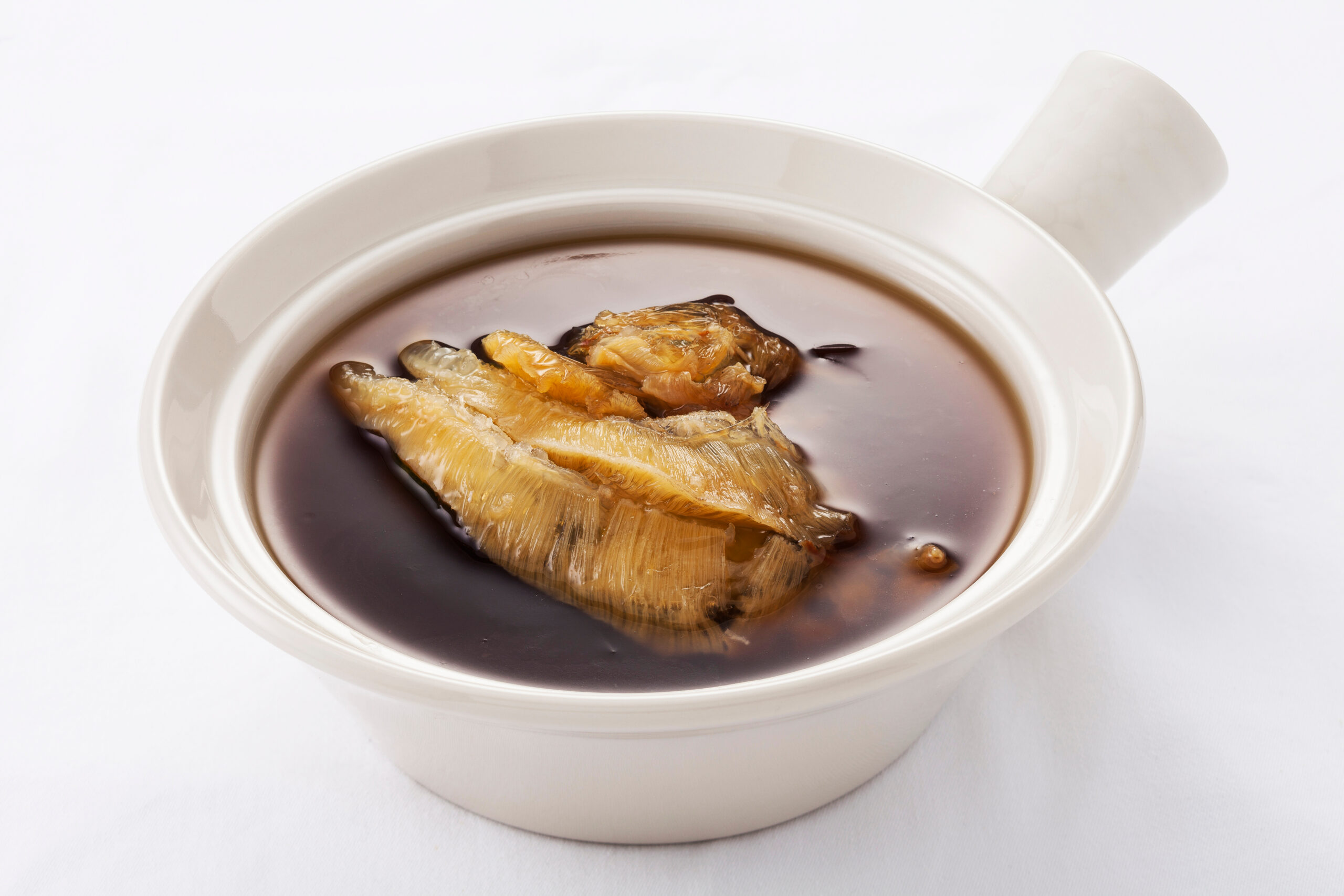
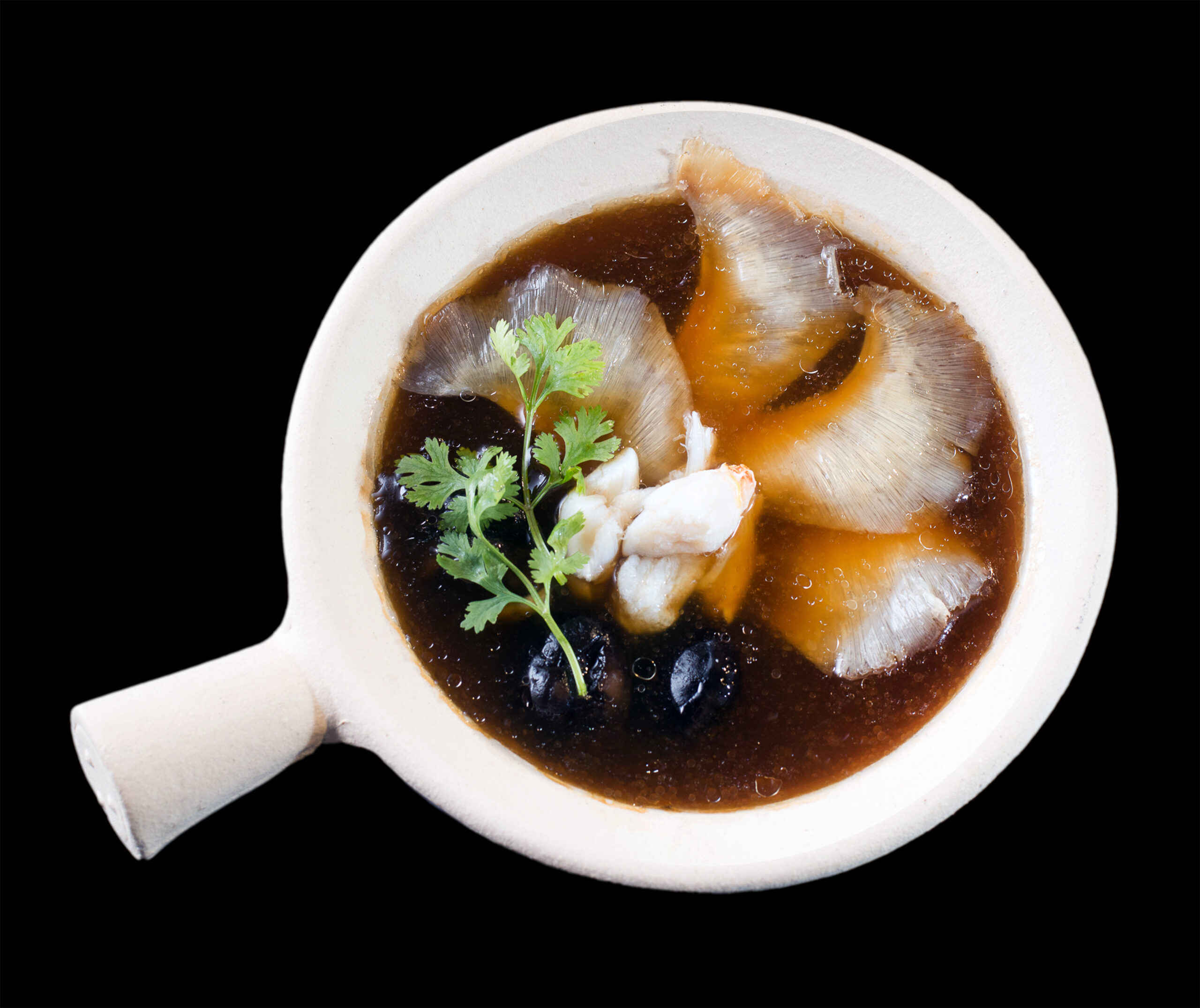
Shark fin soup, a luxury dish often served at weddings and special occasions, has become synonymous with status in some parts of the world, particularly in China. However, the practice of preparing this soup comes at a catastrophic cost to marine life.
The process of shark finning involves catching a shark, slicing off its fins, and discarding the still-living animal back into the ocean. Unable to swim, the shark either suffocates, bleeds out, or becomes prey to other marine creatures. The result is a dramatic decline in shark populations—73 million sharks are killed annually for their fins. These practices have caused a staggering 71% decline in global shark populations since the 1970s, with one-third of shark species now listed as threatened.
Shark fins contain dangerous levels of mercury, which can pose significant health risks to humans. Ironically, laws designed to protect sharks by banning finning at sea have unintentionally worsened the problem by creating a market for the entire shark, not just the fins.