

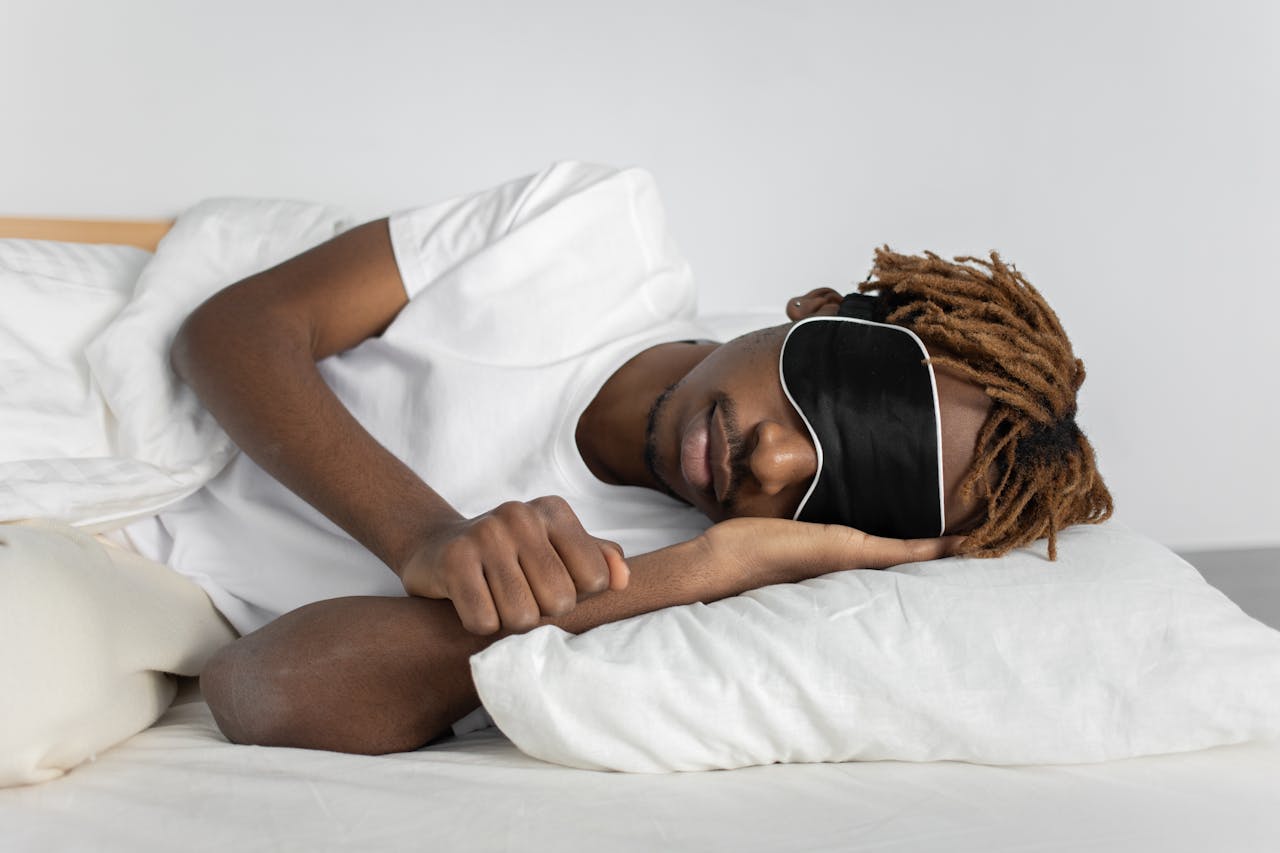
In today’s fast-paced world, many are seeking innovative ways to solve their sleep problems. New sleep solutions, from smart gadgets to wearable technology, promise to transform the way we rest. While these modern alternatives seem appealing, they often fall short of replacing the reliable, tried-and-tested methods we’ve used for years.
Let’s explore how these 8 new solutions fall short of traditional sleep aids in ensuring a restful night’s sleep.
Lack of Long-Term Efficacy

New sleep solutions often promise quick fixes to sleep problems, but their long-term effectiveness is uncertain. Many gadgets and apps provide immediate benefits, such as calming sounds or enhanced sleep tracking, but over time, their impact may fade. Traditional sleep aids, such as melatonin and prescription medications, have been extensively studied and have shown proven long-term effectiveness.
Unlike newer solutions, these traditional aids have a proven track record of helping people with chronic sleep issues. In contrast, while gadgets and apps may provide temporary relief, they often do not deliver the same long-term results as tried-and-tested sleep aids.
Not One-Size-Fits-All
New sleep solutions often pitch themselves as universal fixes, but don’t account for the variety of individual sleep issues. People have trouble sleeping for many reasons, such as insomnia, sleep apnea, or anxiety, and these new solutions often miss the root cause. Traditional sleep aids, however, can be tailored to specific needs, such as medication for insomnia or treatments for underlying conditions.
Customizing sleep solutions to individual needs is key to successful rest. Traditional aids often come in a range of options to address these diverse needs, whereas newer gadgets and apps may not be effective for everyone.
Limited Medical Backing

Many new sleep solutions lack rigorous medical research. Medications like sleeping pills and melatonin have years of clinical study and clear guidelines. In contrast, most sleep gadgets and apps lack such scrutiny or validation.
While innovative technologies may seem promising, they often lack the extensive research needed to ensure their safety and efficacy. In contrast, traditional sleep aids, backed by scientific studies, remain the more trusted option for those with chronic sleep difficulties.
Potential for Overstimulation

Some new sleep solutions, such as apps with blue light or sound machines, can actually overstimulate the brain, making it harder to fall asleep. While these tools are designed to help, they can create an over-reliance on external stimulation, disrupting the brain’s natural sleep cycle. Traditional sleep aids, such as a quiet room or simple herbal remedies, don’t rely on external stimulation and allow the body to relax naturally.
As a result, using these technological solutions can sometimes lead to unwanted side effects, like disrupting the body’s circadian rhythm or increasing anxiety. Traditional methods are much less likely to cause such issues and can help promote more natural sleep patterns.
Lack of Personal Touch
Traditional sleep aids often offer a personal touch, especially for those seeking professional advice. Doctors and sleep specialists provide tailored plans based on an individual’s health, lifestyle, and sleep needs. New sleep solutions, however, often lack this connection, leaving users to figure out how to best use devices or apps on their own.
This individualized care is difficult to replicate with the broad one-size-fits-all approach many new sleep solutions offer. In contrast, a personalized approach offers more tailored solutions.
Costly and Unnecessary
Many new sleep gadgets and solutions are expensive. While these products may seem appealing, they rarely provide long-term results that justify the investment. Traditional sleep aids, such as medications or natural remedies, are usually more affordable and offer reliable results without high upfront costs.
While investing in new gadgets or subscriptions can add up over time without substantially improving your sleep, traditional methods, by contrast, are often more cost-effective and have proven effective over the years.
Dependency on Technology
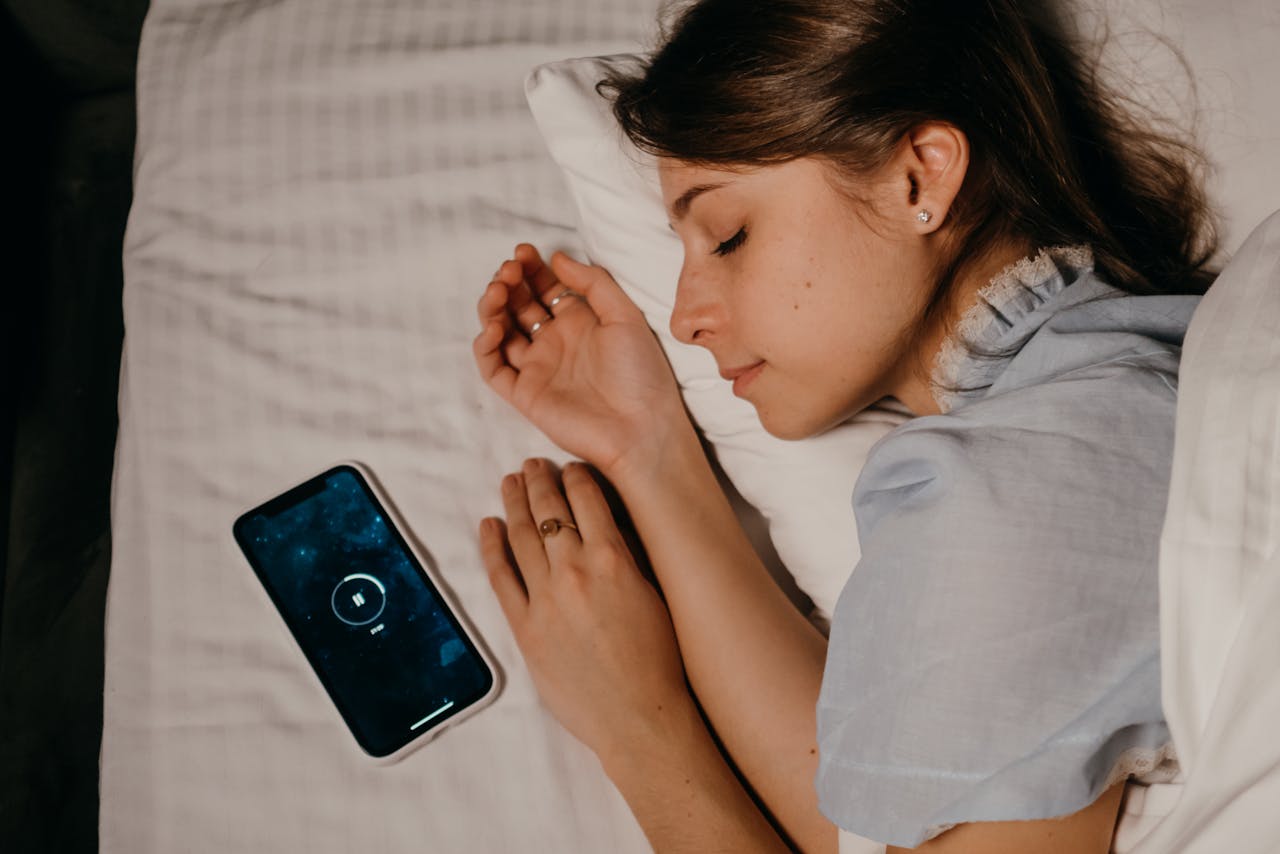
Modern sleep solutions often rely on technology, creating a dependency on gadgets. Many users feel they must wear a device or use an app to track sleep, which can cause anxiety when these tools are unavailable. Traditional sleep aids do not require devices, letting people fall asleep naturally without technology.
Because of these factors, the growing dependence on technology for basic tasks, such as sleep, can create a barrier to natural, restful sleep. Traditional methods provide a simpler, more organic way to rest without technological interference.
Inability to Address Underlying Issues
New sleep solutions usually address symptoms, not causes. Stress, anxiety, or sleep apnea require comprehensive treatment, which devices can’t provide. Traditional sleep aids, including therapy or medication, more effectively target the root causes of sleep problems.
While gadgets may offer temporary relief, they don’t address the underlying health concerns that often underlie sleep disturbances. Traditional solutions place greater emphasis on addressing these core issues, leading to more sustainable improvements in sleep.
Conclusion
While new sleep solutions can be tempting, they often fall short compared to tried-and-true traditional methods that have helped people sleep for years. From their lack of long-term effectiveness and medical backing to their tendency to overstimulate the brain, modern sleep aids often fail to provide the same reliable results as medications, therapies, and simple relaxation techniques.
The reliance on technology, the high cost, and the inability to address underlying causes make these solutions less effective than their traditional counterparts. For those serious about improving their sleep, it’s clear that traditional sleep aids continue to hold the upper hand in both quality and reliability.


