8 Things You Should Never Store in Your Basement

When winter rolls in, basements can seem like a convenient place to store items that need to be out of the way. However, this underappreciated space can quickly become a problematic storage area if certain things are placed there during the colder months.
Storing the wrong items can cause irreparable damage, attract pests, or contribute to health hazards. To protect both your belongings and your home, it’s essential to know which items should never be stored in basements over winter.
Electronics and Appliances
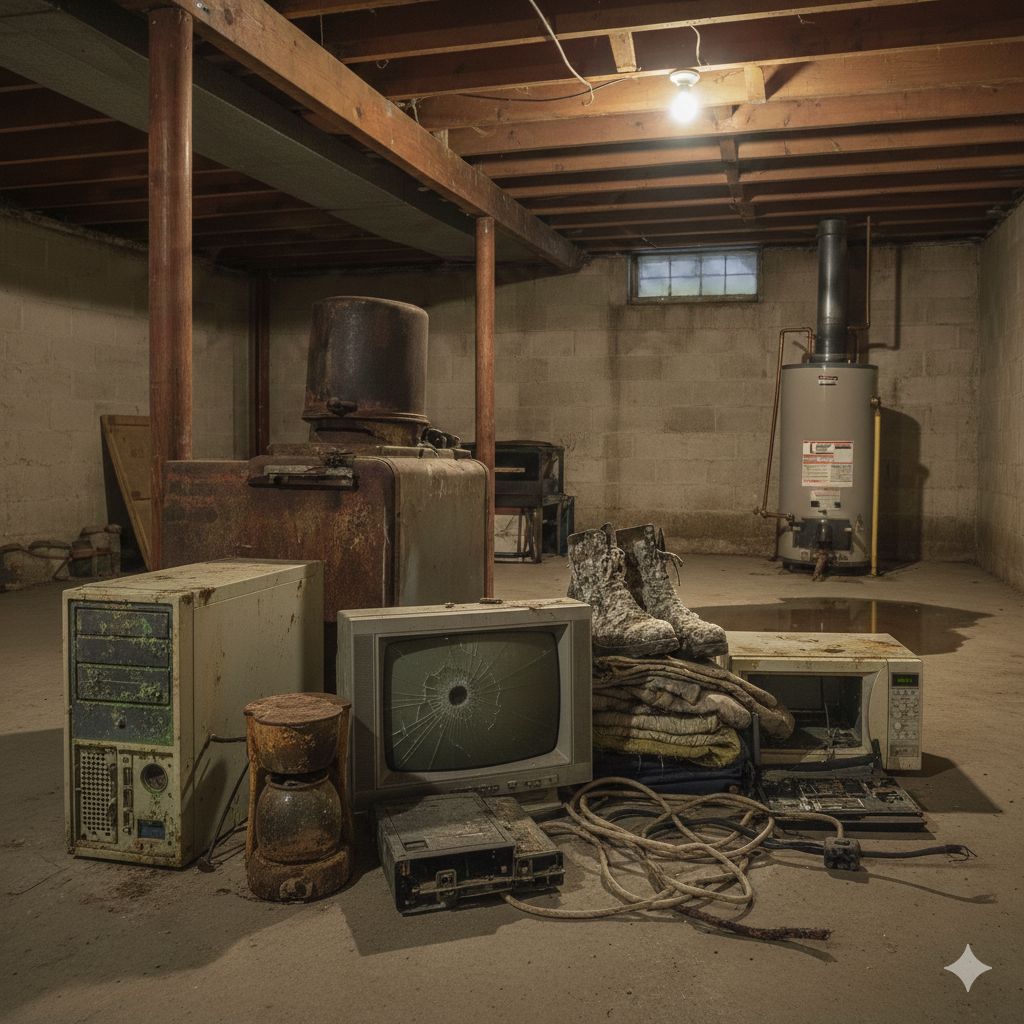
Basements are known for fluctuating humidity levels, especially in the winter when the air is cold and damp. Electronics, such as computers, televisions, and kitchen appliances, are extremely sensitive to moisture.When exposed to high humidity, electronics can suffer from rust, corrosion, and irreparable damage.
Items to Avoid:
- Computers & Laptops: Moisture can seep into the internal components, causing short circuits and potentially ruining expensive gadgets.
- Televisions & Audio Equipment: Humidity can warp sensitive electronic components, leading to malfunctioning or failure.
- Small Appliances: Items like coffee makers, blenders, and microwaves are at risk of moisture damage.
Instead of storing electronics in your basement, choose a dry, climate-controlled area, like a closet or an upper-floor room, to ensure their longevity and functionality.
Furniture
Wooden furniture, upholstered couches, and mattresses are prone to absorbing moisture, which can lead to mold, mildew, and unpleasant odors when stored in a basement over winter. The cold and damp conditions that basements often experience can warp, discolor, or degrade your furniture over time.
What to Keep in Mind:
- Wood Furniture: Wooden pieces, like desks, chairs, and cabinets, can swell or crack when exposed to humidity, causing lasting damage.
- Upholstered Items: Sofas, armchairs, and cushions are vulnerable to mold and mildew when stored in a damp environment.
- Mattresses: Storing a mattress in a basement can lead to moisture buildup, which increases the risk of mold and can cause long-term health issues.
To keep your furniture in pristine condition, store it in a dry, well-ventilated area, preferably above ground level, or consider investing in storage containers with climate control.
Paper Documents and Important Files
Basements are notorious for flooding or experiencing high levels of moisture. If you store paper documents, important files, or photographs in such an environment, they risk becoming waterlogged and deteriorating. The damage caused by water can make documents unreadable or result in permanent loss of valuable records.
Items to Keep Away:
- Important Legal Documents: Birth certificates, marriage licenses, tax records, and legal paperwork should always be stored in a dry, secure location.
- Photographs and Albums: Paper photographs can easily become damaged or permanently ruined when exposed to excessive humidity.
- Receipts and Paperwork: All essential financial documents are at risk of discoloration and deterioration when stored in a damp basement.
Consider using airtight containers or fireproof safes that are sealed to protect these materials from both moisture and potential disasters like floods.
Clothing
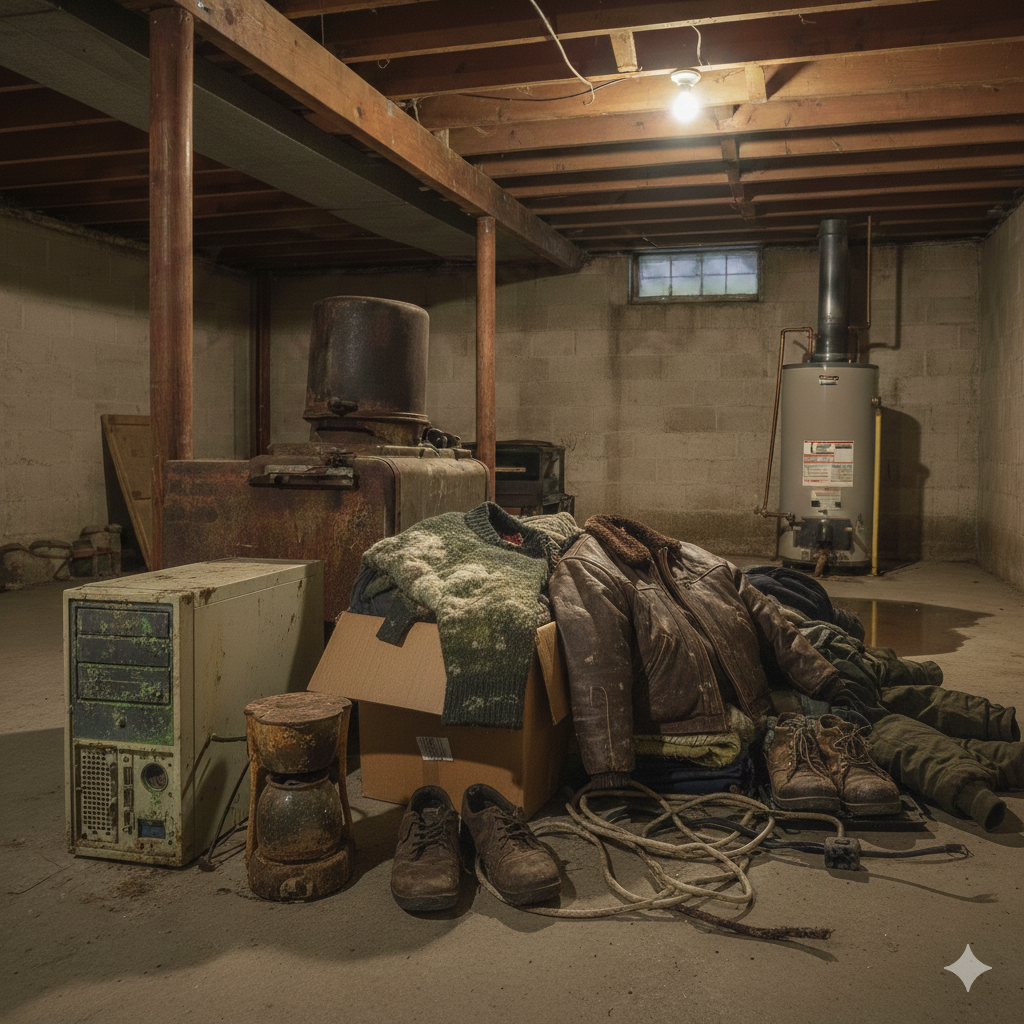
While basements may seem like an ideal storage space for seasonal clothing, especially heavy winter coats or off-season apparel, the increased humidity levels during the winter months can wreak havoc on fabrics. Damp environments promote mold and mildew growth, which can ruin your clothing.
What You Shouldn’t Store:
- Wool & Cashmere: These materials absorb moisture, leading to mold growth and irreversible fabric damage.
- Leather Items: Leather jackets, shoes, and bags may become cracked or misshapen due to the moisture in the air.
- Winter Coats: Despite being winter gear, bulky winter coats are still vulnerable to dampness and mildew.
To preserve your clothing, consider vacuum-sealed bags or storage bins that are airtight, or opt for a dedicated wardrobe on a higher level of your home where humidity is more controlled.
Food
Storing food in a basement may seem like a good idea to save space, but it’s important to remember that this environment is not suitable for long-term food storage, particularly in winter. The fluctuating temperatures and moisture levels can attract pests and encourage the growth of bacteria, leading to contamination.
Items to Steer Clear Of:
- Canned Goods: While cans are sealed, they can rust and spoil if exposed to fluctuating temperatures or excessive humidity.
- Dry Goods: Flour, rice, and pasta are vulnerable to mold and pest infestation if stored in a basement.
- Frozen Foods: Basements can be prone to power outages or fluctuations in temperature, which could cause frozen foods to spoil.
Always store food in dry, cool, and secure spaces that are specifically designed to maintain consistent temperature and humidity levels.
Paint and Chemicals
Paint, cleaning products, and chemicals should never be stored in basements during winter. Extreme temperature fluctuations can cause chemical compounds to break down, change properties, or become dangerous. Paint can freeze and become unusable, while chemicals may react unfavorably in unstable conditions.
Dangerous Items to Store Elsewhere:
- Paint and Stains: Exposure to freezing temperatures can alter the consistency and application of paint, ruining its quality.
- Cleaning Products: Chemicals like bleach or ammonia can lose their effectiveness or even become hazardous when exposed to extreme cold.
- Motor Oil and Fuel: Gasoline and other fuels can deteriorate or become unstable when exposed to temperature extremes.
Instead, store such items in a temperature-controlled environment, such as a garage, attic, or secure storage shed.
Toys and Plush Items

Toys and stuffed animals may seem safe in a basement storage area, but these items are often made of materials that can retain moisture, making them susceptible to mold, mildew, and other contaminants. Plush toys, in particular, can absorb water and harbor bacteria, creating a breeding ground for allergens.
Items to Avoid Storing in Basements:
- Stuffed Animals: These can trap moisture and develop mildew or mold, making them unsafe for children.
- Plastic Toys: Some plastic toys can crack or degrade when exposed to extreme temperature variations or humidity.
- Games and Books: Cardboard boxes and paper-based games are prone to warping or becoming damp in basements.
Store toys in dry, temperature-controlled rooms, and consider using breathable storage bags for added protection.
Seasonal Decorations
Seasonal decorations such as Christmas lights, wreaths, and ornaments can easily become damaged when stored improperly. The cold, damp conditions of a basement can cause lights to short-circuit, and delicate ornaments can crack under freezing temperatures.
Items to Protect from Winter Conditions:
- Holiday Lights: Moisture can cause electrical components to fail or short-circuit.
- Glass Ornaments: Fragile ornaments may break if exposed to fluctuating temperatures or humidity.
- Artificial Trees and Garlands: These can attract pests or deteriorate due to mold or mildew.
To protect your decorations, use airtight containers and store them in a dry, cool space with minimal temperature fluctuations.
Conclusion
Storing items in your basement during the winter may seem like a practical solution for freeing up space, but the risks associated with moisture, temperature fluctuations, and pests make it an unwise choice for many household goods.
Understanding the specific needs of your belongings and how environmental factors like humidity and temperature can affect them is crucial to preserving both their condition and the health of your home.
By following the guidelines above and choosing the appropriate storage spaces for each item, you’ll ensure that your electronics, furniture, documents, and seasonal decorations remain in excellent condition throughout the cold months.
Storing items in the right environments, whether it’s a dry, climate-controlled room, an airtight container, or a well-ventilated upper floor, will not only prolong the lifespan of your possessions but also prevent costly damage that could result in replacements or repairs.
Read the original article in Crafting Your Home.