


The post 8 Things Grandchildren Remember Most About Visiting Grandma’s House first appeared on Crafting Your Home.
What about Grandma’s house can stay with someone for decades?
Often, it is not the size of the rooms, the style of the furniture, or whether the house looked like something from a magazine. The homes people remember most are usually the ones filled with small, unmistakable details: the scent in the entryway, the recipe that existed only in her hands, the chair everyone knew was hers, the traditions that happened every time someone came through the door.
For many families, a grandmother’s home became memorable because it felt familiar. Certain sights, sounds, smells, and routines were repeated until they became connected with one person and one place. Research on scent and memory has found that personally meaningful smells can bring back autobiographical memories and feelings of nostalgia, which helps explain why a familiar household scent can feel like a doorway to the past. It is not that every grandmother’s home smelled the same it is that some homes had details that felt completely and uniquely hers.
The little things that turned a house into her world
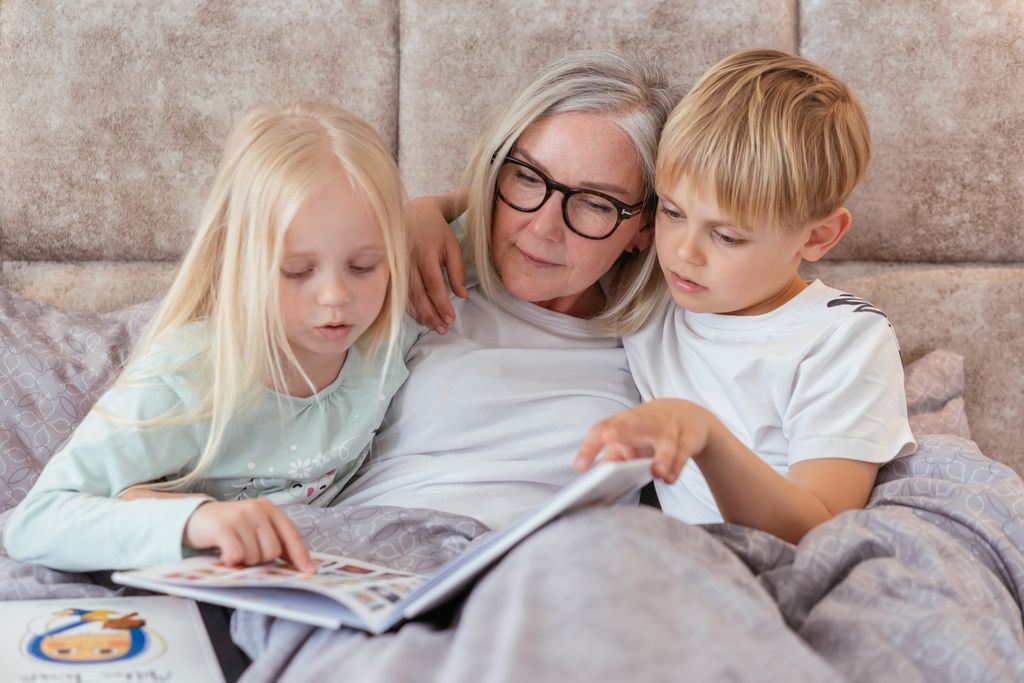
Before anyone sat down or unpacked a bag, the house often introduced itself.
For some families, it might have been coffee brewing in the kitchen, cinnamon from something baking, roses from the garden, a favorite perfume, fresh laundry, or the particular scent of an old wooden cabinet. These smells were not special because they were rare. They mattered because they were attached to a person and a place that carried meaning.
Scent connects powerfully with memory because familiar smells can bring back personal experiences and the emotions tied to them. A certain aroma years later may not simply remind someone of a room it may bring back the feeling of arriving, being welcomed, and knowing exactly where they were.
The food nobody else could make quite the same way.
Many grandchildren remember a meal, snack, or recipe that seemed impossible to duplicate.
Maybe it was pancakes served before cartoons, a Sunday dinner that appeared without fail, toast cut in a particular shape, or a cake made from instructions that existed mostly in Grandma’s memory rather than on a written card. The recipe itself was only part of the memory. The larger story was the care behind it.
Research exploring grandparent and adult-grandchild relationships found that food, cooking, baking, and family recipes often become ways that traditions and affection move between generations. In that study, one participant described returning to certain foods because eating them helped him remember a grandparent.
The meal was never just a meal. It was a connection you could revisit.
The treat rule that felt different from home
Many families have their own version of the famous Grandma snack tradition: a candy dish, a cookie tin, freezer treats, or a quiet allowance for “one more” sweet.
These details are not universal, but they have become familiar symbols of the special role grandparents often play. Children may experience grandparents as having a different rhythm than parents one that allows more room for play, patience, and relaxed moments together.
Family therapist Marina Kerlow described grandparents as bringing“a playful, patient energy that feels safe and accepting.” The appeal of Grandma’s house was often not about unlimited treats. It was about feeling welcomed into a space wher