

The post 8 September Garden Jobs That Could Save Your Yard Next Spring first appeared on Crafting Your Home.
September can feel confusing for gardeners. Summer is fading, flowers are slowing down, and cooler mornings suggest the growing season is changing. But while some people start putting away their gardening tools, experienced gardeners know this month is actually one of the most important times to prepare outdoor spaces for what comes next.
The garden may look like it is winding down, but important changes are happening beneath the soil. Roots are still developing, plants are adjusting to cooler conditions, and the work you do now can help create a healthier garden when spring returns. Gardening experts often describe September as a transition month, a time to protect what worked, improve what struggled, and prepare for the next growing season.
The secret is not doing more work; it is doing the right work at the right time. A successful fall garden does not require removing every leaf, cutting back every plant, or making the yard look completely untouched by nature. In fact, experts increasingly recommend a more balanced approach that supports plants, soil, and wildlife while keeping outdoor spaces manageable.
Whether you have a large backyard, a vegetable garden, flower beds, or a few containers on a balcony, these September tasks can help you prepare before the weather truly changes.
Divide Crowded Perennials Before They Become a Problem
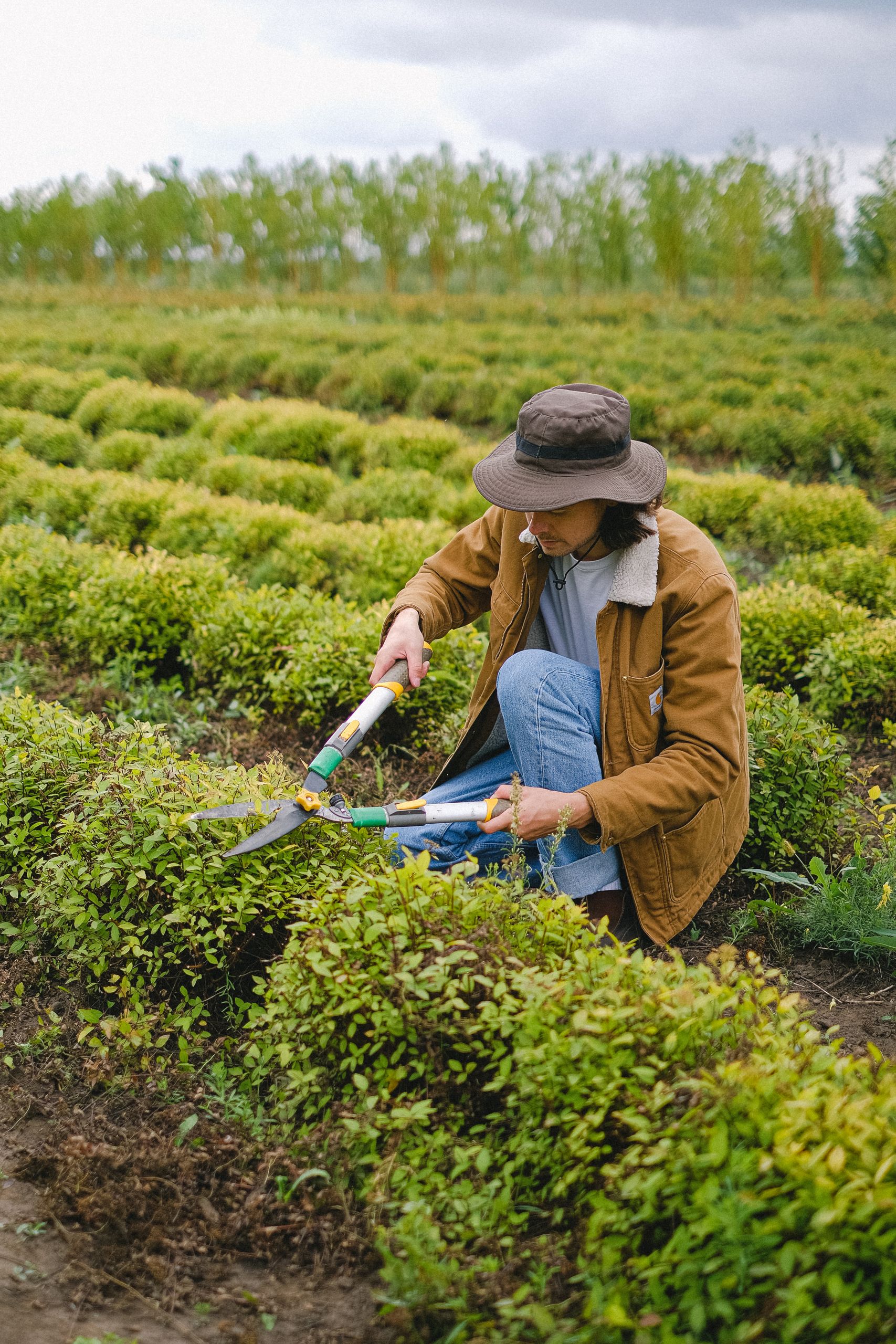
If your flower beds look overcrowded after a busy summer growing season, September may be the perfect time to give certain plants more space. Many perennials naturally expand over time, creating dense clusters that can benefit from dividing and replanting.
Garden experts recommend dividing suitable herbaceous perennials in early autumn because the soil can still be warm while temperatures become more comfortable for plants. Dividing lets gardeners manage large clumps and create additional planting areas without buying new plants.
The process involves carefully lifting the plant, separating healthy sections with roots attached, and placing them into prepared areas. Water newly divided plants properly as they establish themselves before colder conditions arrive.
However, not every plant should be divided. Experts caution that some plants with sensitive root systems or deep taproots may not respond well to being separated. Understanding each plant’s needs matters more than following a general gardening rule.
For many gardeners, this simple September task can feel rewarding because it transforms an overgrown area into a refreshed space with room for future growth.
Plant Spring Bulbs Now for a Future Burst of Color
One of the most satisfying September gardening jobs requires thinking months ahead. While autumn may be arriving, gardeners are already preparing for spring by planting bulbs that will produce flowers after winter.
Experts recommend planting spring-flowering bulbs such as daffodils, crocuses, and alliums during autumn. September is often a good time to start planning and buying bulbs before the ground gets colder.
The beauty of bulb planting is the patience involved. The work happens quietly beneath the soil, and the reward arrives when gardens begin waking up after the colder months.
Gardeners should always consider their local climate and follow planting instructions for specific varieties. Soil conditions, drainage, and planting depth all influence how successfully bulbs grow.
A few minutes spent planting in September can create one of the most memorable moments of the gardening year, the first signs of spring returning.
Clean Vegetable Beds, But Do Not Overdo It
As summer crops finish producing, September is the time to take a close look at vegetable gardens. Some plants may still be producing, while others may have reached the end of their growing season.
Removing dead or unhealthy plants can help prepare beds for future use, especially when plant material shows signs of disease. Experts recommend clearing diseased vegetation rather than leaving it in the garden.
However, modern gardening advice also warns against making the garden too clean. Some stems, seed heads, and plant materials can provide shelter and food for wildlife during colder months.
The goal is not a completely empty garden. It is a healthy garden.
Before removing everything, consider what you can compost, what you should discard, and what may benefit the ecosystem if you leave it in place.
Save Seeds From This Year’s Favorite Flowers
September is a great month for gardeners who want to continue their favorite plants into future seasons. Many flowers produce mature seed heads at this time, creating an opportunity to collect and store seeds.
The University of Maryland Extension recommends saving seeds from flowers that have finished blooming and developed dry seed heads. The organization also provides guidance on proper seed collection and storage practices.
Saving seeds is not only practical;it can also become a meaningful gardening tradition. A flower grown from seeds collected the previous year connects seasons.
Gardeners should collect seeds only when they are mature and store them in suitable conditions until planting time.
This small September habit can help gardeners create a more personal and sustainable growing experience.
Keep Watering New Plants and Containers
Cooler weather does not always mean every plant needs enough water. Newly planted trees, shrubs, perennials and container plants will need attention as their roots continue developing.
The RHS recommends continuing to water new plants in September and paying attention to containers, as they can dry out faster than plants growing in the ground.
Gardeners should check soil conditions rather than relying only on outside temperature. A plant’s watering needs depend on its location, soil, and weather conditions.
This simple habit can make a big difference for plants that are still establishing themselves.
Related : 5 DIY Vertical Gardens for Better Herbs
Be Careful With Autumn Pruning
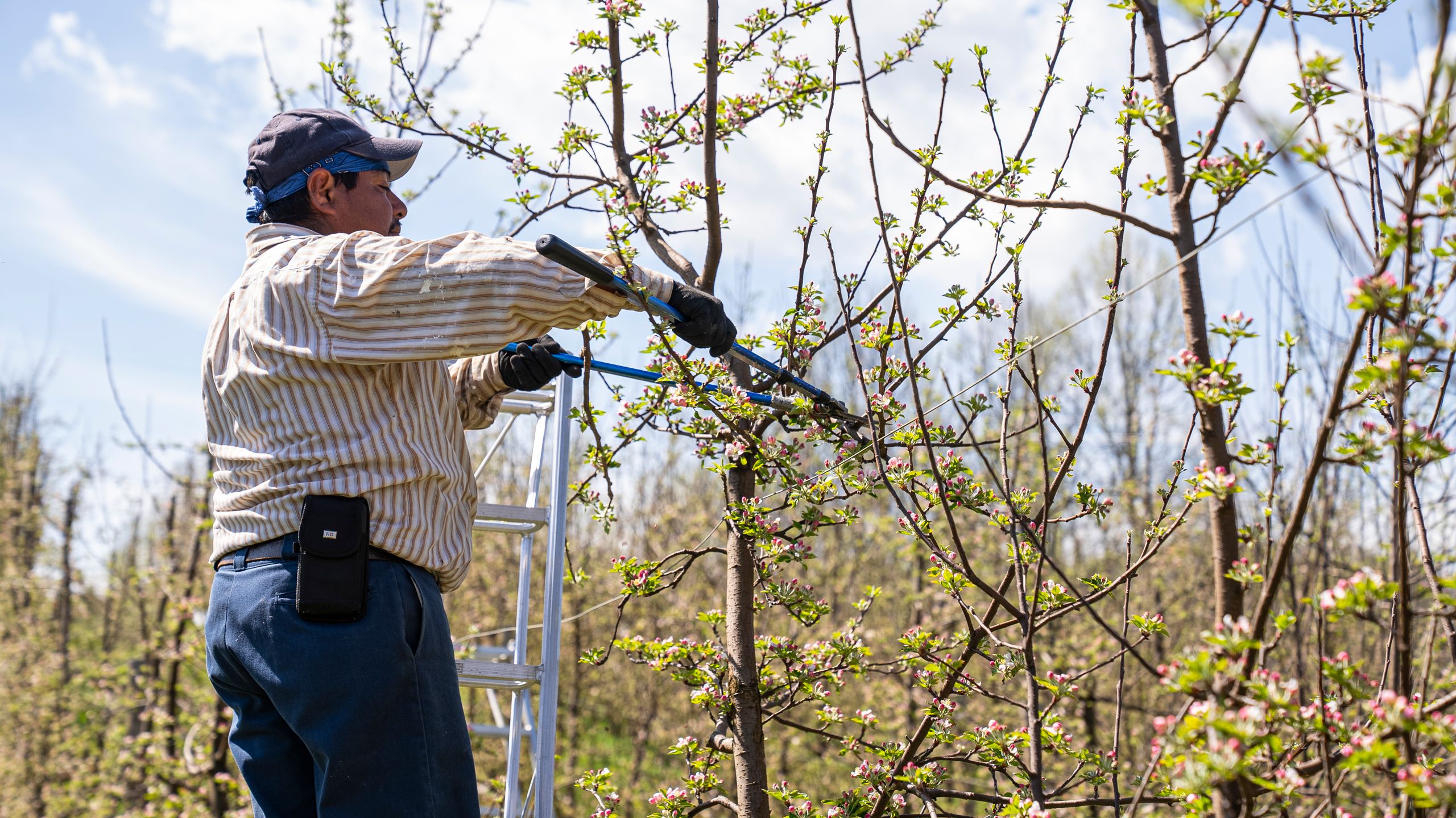
Many gardeners feel the urge to cut everything back once summer ends, but experts warn that heavy pruning at the wrong time can create problems for some plants.
The University of Maryland Extension advises gardeners to avoid unnecessary pruning of many trees and shrubs in September, and to remove unhealthy branches when needed.
Some plant stems can also provide important winter habitat for beneficial insects, meaning a completely trimmed garden is not always the best approach.
Before reaching for pruning tools, gardeners should research the specific plant they are working with.
Sometimes good gardening means knowing when not to interfere.
Prepare Tools, Greenhouses, and Garden Spaces
September is also the perfect time to organize gardening equipment before colder weather makes outdoor work less comfortable.
Experts recommend cleaning greenhouses, preparing garden spaces, and maintaining tools so they are ready when the next growing season begins.
Simple tasks such as cleaning tools, storing equipment properly, and reviewing what worked this year can make future gardening easier.
A successful garden is built through small decisions made throughout the year, not just during spring planting season.
September is not the end of gardening. It is a bridge between seasons. The choices gardeners make now can influence how plants survive winter and how beautifully outdoor spaces return when warmer days arrive.
The best gardeners understand that every season has a purpose. Summer brings growth, autumn brings preparation, winter brings rest, and spring brings renewal. By completing these September tasks, gardeners can help ensure their outdoor spaces are ready for whatever comes next.
Other Posts You Might Like
- 4 Best Types of Lettuce to Grow in Your Garden for Optimal Harvest
- How to Get Rid of Flea Beetles in Your Garden
- What is a Sensory Garden?


