

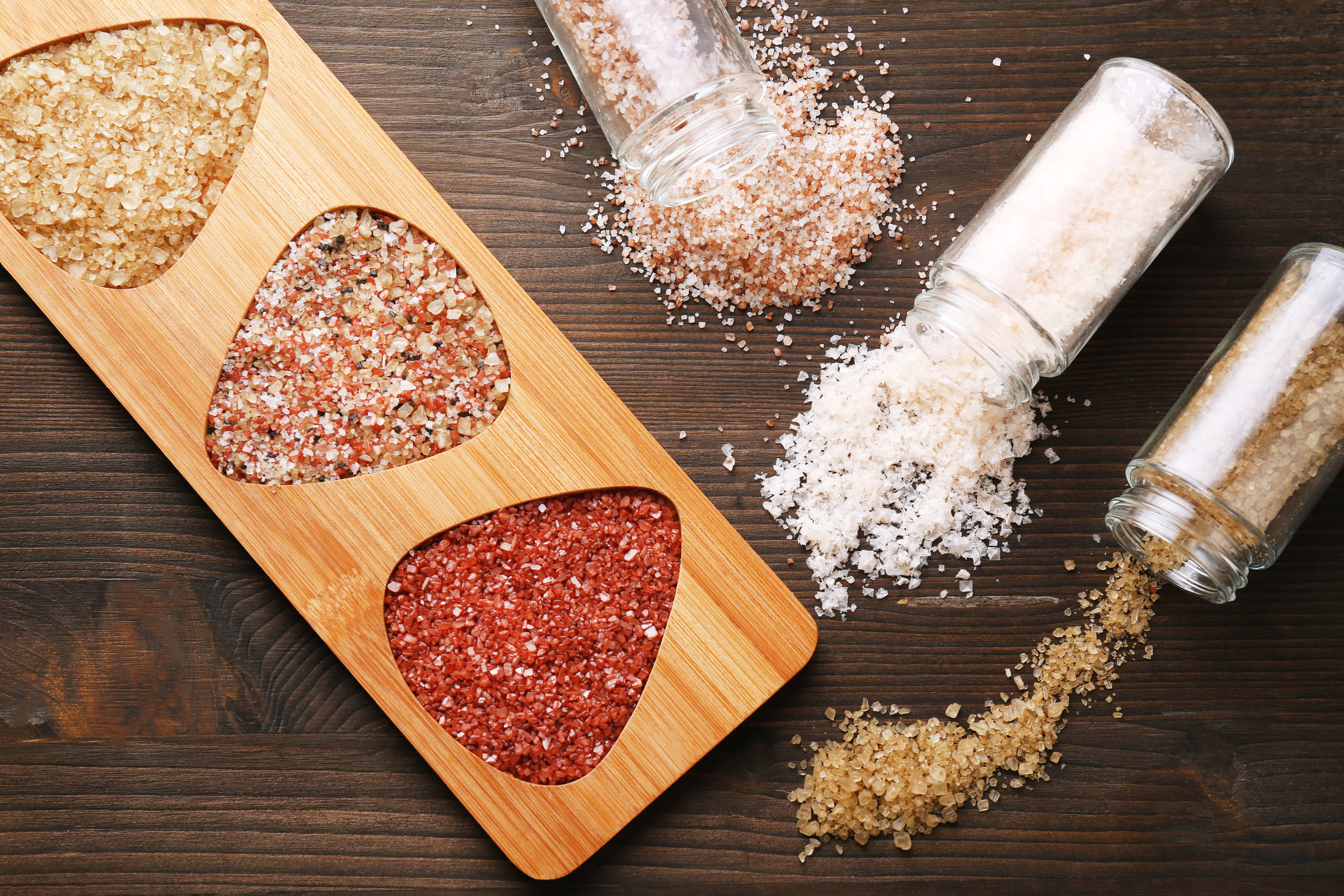
We’ve all been there. At some point, we’ve tried to cut down on salt in our diets, hearing that it’s bad for our health. Doctors, nutritionists, and wellness influencers have advised us to turn to salt substitutes. These alternatives are often marketed as healthier choices, promising to deliver the same satisfying flavor with less impact on blood pressure and heart health.
But not all salt substitutes are created equal. In fact, some of these alternatives may be doing more harm than good. If you’re swapping out salt for one of these alternatives, thinking you’re making a healthier choice, it’s time to reconsider. Here are eight common salt substitutes that might be worse for your health than the real thing.
Sea Salt, No Better Than Regular Salt

Sea salt has become a darling of the health-conscious crowd, touted as a natural and less-processed alternative to table salt. The idea is that sea salt retains more minerals, such as magnesium, calcium, and potassium, making it a “healthier” option. But here’s the thing: sea salt is still 98% sodium chloride, just like regular table salt. In other words, it can still contribute to high blood pressure, heart disease, and other health issues when consumed in excess.
Lite Salt, A Marketing Gimmick
Lite salt is another popular alternative that claims to be a healthier version of regular salt. It typically contains a mixture of sodium chloride and potassium chloride, cutting the sodium content by about 50%. While this may sound like a win for those trying to reduce sodium intake, it’s not without its drawbacks.
First, many lite salts contain potassium chloride, which, as we discussed earlier, can be harmful in large quantities. Additionally, “lite salt” is a marketing term rather than a scientifically backed health solution. If you’re not carefully monitoring your potassium intake, lite salt can still contribute to potential health issues, particularly for those with kidney or heart problems.
Use salt in moderation and get your potassium from natural food sources like fruits and vegetables.
Monosodium Glutamate (MSG), The Flavor Enhancer That Can Do Harm

Monosodium glutamate (MSG) is often used in cooking as a flavor enhancer, providing that savory umami taste. It’s commonly found in processed foods, soups, and restaurant dishes. While MSG doesn’t have the same high sodium content as traditional salt, it can still cause adverse reactions in some people.
MSG has been linked to “Chinese restaurant syndrome,” a condition that can cause headaches, sweating, chest pain, and even more severe symptoms in sensitive individuals. Furthermore, research suggests that excessive consumption of MSG could contribute to weight gain and metabolic disorders.
So, while MSG may seem like a lower-sodium alternative, it may bring along other health risks. Opt for natural flavor enhancers like nutritional yeast or fresh herbs, which can provide depth and flavor without the negative side effects of MSG.
Potassium Chloride, A Double-Edged Sword
Potassium chloride is one of the most popular salt substitutes, commonly found in low-sodium products. It offers a similar salty flavor and is often recommended to those looking to lower their sodium intake. But while potassium chloride may seem like a harmless swap, it can have serious side effects if consumed in excess.
For individuals with kidney problems or those taking certain medications (such as ACE inhibitors), high levels of potassium can be dangerous. Potassium toxicity can lead to irregular heart rhythms, muscle weakness, and even kidney failure. So, while it might seem like a healthier alternative, it’s essential to use potassium chloride with caution, especially if you have pre-existing health conditions.
Opt for natural sources of potassium, such as bananas, spinach, or sweet potatoes, which provide potassium alongside other beneficial nutrients.
Salt-Free Seasoning Blends: The Hidden Sugars and Additives

Many commercially available salt-free seasoning blends promise to help you cut back on sodium while adding flavor to your meals. However, these blends often contain hidden sugars, artificial flavors, and preservatives, which can have their own negative effects on your health. Some of these additives can lead to digestive issues, inflammation, and weight gain.
Sugar Substitutes, Not a Salt Substitute, But a Dangerous Alternative
You might not think of sugar substitutes as related to salt alternatives, but some people use them to curb unhealthy eating habits or manage blood pressure. While they don’t directly mimic salt’s flavor, sugar substitutes like aspartame or sucralose can still have negative health consequences.
These artificial sweeteners have been linked to an increased risk of metabolic disorders, weight gain, and changes in gut microbiota, which can disrupt overall health. Overuse of artificial sweeteners can also result in cravings for sweeter, more processed foods, exacerbating unhealthy eating patterns.
Stick to natural sweeteners like honey, maple syrup, or stevia, and use them in moderation. Focus on reducing your reliance on sugary foods and processed ingredients overall.
Coconut Aminos, A Salt Substitute With Too Many Carbs
Coconut aminos is a popular salt alternative, especially among those following paleo or low-carb diets. It’s made from coconut tree sap and has a savory, slightly sweet flavor. While it does contain less sodium than soy sauce, it also packs a significant amount of carbohydrates, which can raise your blood sugar levels.
Herbal Salt Blends, Too Many Additives

Herbal salt blends, which combine herbs with a salt base, can seem like a fantastic way to cut back on sodium while enjoying the flavors of nature. However, many of these blends are loaded with MSG, preservatives, or artificial flavorings to enhance taste.
These additives can counteract the health benefits of using fresh herbs, which are known for their antioxidants and anti-inflammatory properties. Use fresh or dried herbs on their own, without any added preservatives. Combine them with a pinch of natural sea salt or Himalayan pink salt for added flavor without compromising on quality.
Conclusion
While salt substitutes can seem like a quick fix for lowering sodium intake, they are often not as healthy as they appear. Many of these alternatives contain hidden dangers, from excessive potassium to hidden carbs and chemical additives, which can do more harm than good.
The key to a healthier diet is balance. Rather than relying on salt substitutes, focus on a whole foods approach, incorporating plenty of fresh fruits, vegetables, lean proteins, and healthy fats. Experiment with natural flavor enhancers like garlic, fresh herbs, and citrus to boost the flavor of your meals without resorting to excessive salt or artificial alternatives.
Your health is too important to rely on quick fixes. By being mindful of your choices and understanding the potential pitfalls of certain salt substitutes, you can build a more sustainable, health-conscious lifestyle. Remember: the best way to stay healthy and prolong your life is to make small, consistent changes that support your body’s natural processes, not relying on one-size-fits-all solutions that may do more harm than good in the long run.
Read the original Crafting Your Home.


