


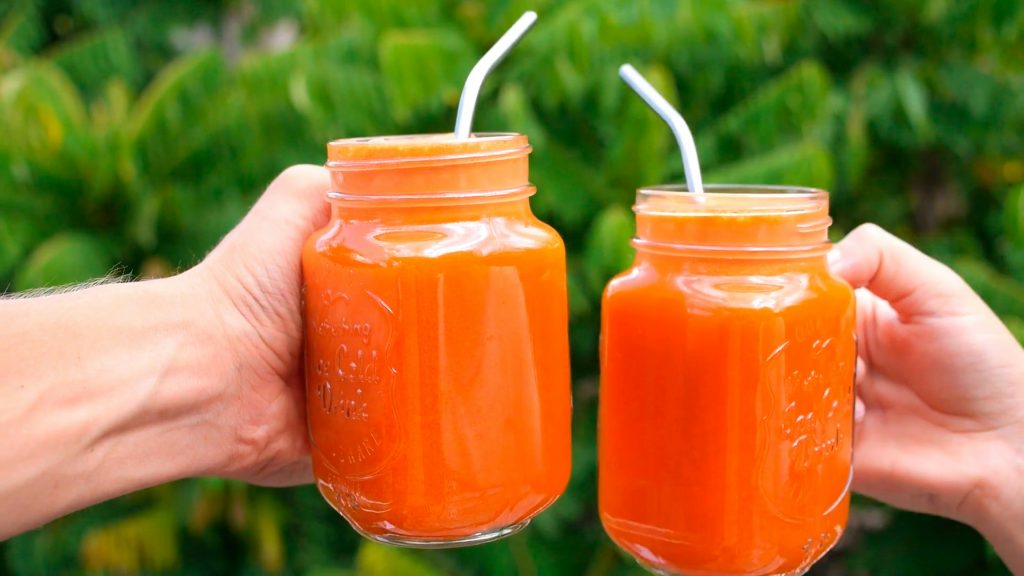
Carrot juice has a way of looking simple and quietly impressive at the same time. It is bright, sweet, and easy to enjoy, but behind that cheerful orange color lies a drink rich in beta-carotene, vitamin C, potassium, and other plant compounds that researchers have linked to several health benefits.
The science does not suggest carrot juice is a miracle cure, but it does suggest that, in moderation, it can be a smart and refreshing addition to a balanced diet.
It gives your eyes a real nutritional boost.

Carrot juice’s most famous reputation is tied to vision, and this one actually has a solid footing. Carrots are rich in beta carotene, which the body converts into vitamin A, a nutrient that supports normal eye function. Carrot juice also contains lutein and zeaxanthin, two carotenoids associated with protecting the eyes and helping reduce the risk of age-related eye problems.
It can help your immune system stay ready.
When life gets busy, a drink that carries immune-supporting nutrients feels like a small win. Carrot juice contains vitamins A, C, and B6, all of which support immune function and protect cells from damage. That does not mean one glass will magically shield you from every sniffle, but it does mean you are giving your body useful tools to work with.
It may help protect your cells from damage.

One of carrot juice’s quiet strengths is its antioxidant content. Compounds such as beta-carotene, lutein, and zeaxanthin help fight oxidative stress, a form of cellular wear and tear linked to aging and disease. Think of carrot juice as less of a superhero cape and more of a steady support act that helps the body handle everyday strain a little better.
It shows promise for blood sugar balance.

This benefit comes with a little nuance, which is always a good sign that the conversation is being honest. Some early studies, particularly those involving fermented or purple carrot juice, suggest that carrot juice may help regulate blood sugar and reduce inflammation. Regular carrot juice is also considered a lower glycemic choice than many sweeter juices, though it still makes sense to drink it mindfully rather than treat it like flavored water.
It can be kind to your skin.
Healthy skin loves nutrients, and carrot juice brings a few good ones to the table. Vitamin C helps with collagen production, which supports skin structure and elasticity, and beta carotene’s antioxidant activity may help the skin defend itself against everyday environmental stress. It is not bottled glow in a glass, but it can absolutely support the kind of inside-out care that shows up over time.
It may support heart health.
Carrot juice also has a heart-friendly side, largely thanks to its potassium and antioxidant content. Potassium helps regulate blood pressure, and diets higher in potassium are often linked to better cardiovascular outcomes. Add the antioxidant support on top, and carrot juice starts to look like more than a colorful breakfast extra.
It may be helpful for liver health
This is another area where the science is promising but still developing. Research cited in the article suggests that carotenoids in carrot juice may help protect the liver, including in studies on fatty liver disease and liver inflammation. The important part is that this is still an emerging field, so carrot juice is best seen as a supportive food, not a treatment.
It can gently support digestion.
Carrot juice is often easier on the palate than many health drinks, and it may also be pleasant for digestion. Its water content and remaining fiber content can help support regular digestion and reduce constipation. Whole carrots provide more fiber overall, but carrot juice can play a helpful supporting role, especially when it is part of a diet rich in fruits and vegetables.
Conclusion
Carrot juice is one of those rare healthy habits that feels surprisingly easy to like. It offers real nutritional value, has a naturally sweet taste, and provides benefits for eye health, immunity, skin, heart health, and more when enjoyed in moderation. The best approach is simple: enjoy it as a companion to a balanced diet, not a replacement for whole foods, and let that sunny orange glass do what it does best.


