For a country that prides itself on freedom and democracy, the United States has repeatedly faltered in ways that made the world question its core values. Moments of poor judgment, unethical choices, and reckless behavior by prominent figures have turned headlines into international cautionary tales.
From policies that spark outrage abroad to public missteps that damage diplomatic relationships, some individuals’ actions have left America looking less like a beacon of hope and more like a warning.
The impact isn’t just temporary embarrassment, it reshapes how governments, media, and everyday people perceive the U.S. for decades.
These eight people stand out for the decisions and actions that caused global skepticism, outrage, and mistrust, leaving scars on the American image that continue to reverberate across continents.
Their influence reminds us that power carries responsibility, and that one leader’s choices can redefine a nation in the eyes of the world.
Joe Biden
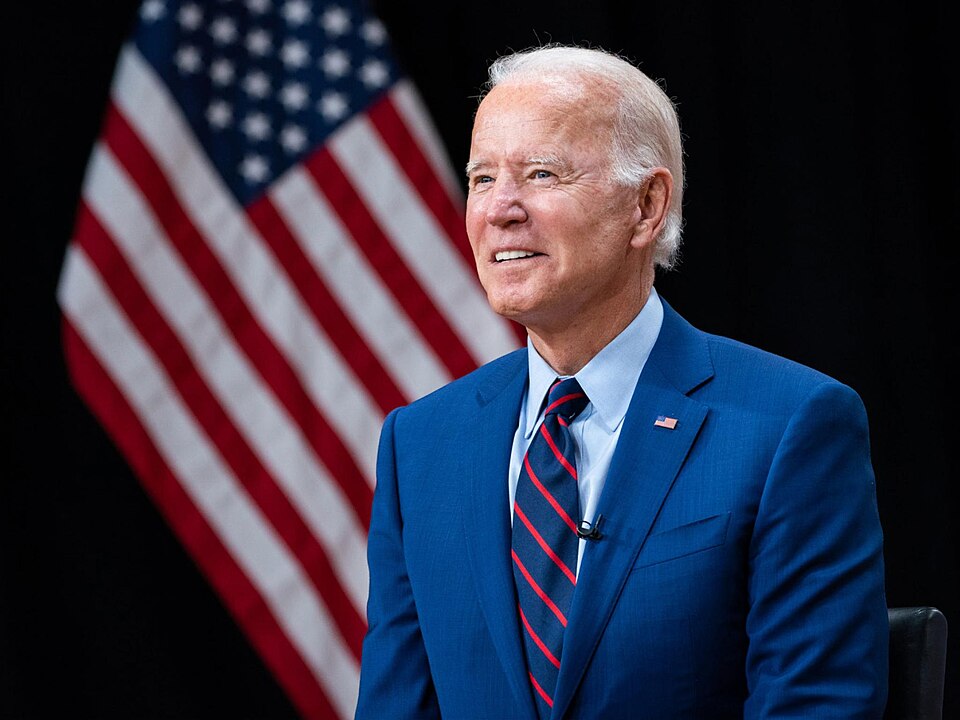
Joe Biden did not start the Afghanistan War, and many Americans supported ending it. The damage came from the way the final withdrawal unfolded. The fall of Kabul, the desperate scenes at the airport, and the speed of the Taliban takeover made America look unprepared after two decades of promises, spending, sacrifice, and nation-building language.
To many allies, the withdrawal raised uncomfortable questions about American planning and reliability. To adversaries, it looked like exhaustion. To Afghans who had trusted U.S. commitments, it felt like abandonment.
Biden’s decision may be defended as ending an unwinnable war, but the execution gave the world one of the clearest images of American limits in modern history.
George W. Bush
George W. Bush entered office with the United States still widely viewed as a global superpower with moral authority. After the September 11 attacks, much of the world initially stood with America.
But the invasion of Iraq changed that sympathy into suspicion for many people abroad, especially after the promised weapons of mass destruction were not found.
The Iraq War became one of the defining examples of American power used with shaky justification and devastating consequences. Images of bombed cities, civilian suffering, and long occupation weakened the idea that America only used force to defend freedom.
For many people across the Middle East, Europe, and beyond, the war made Washington look arrogant, reckless, and unwilling to listen to the world it claimed to lead.
Dick Cheney
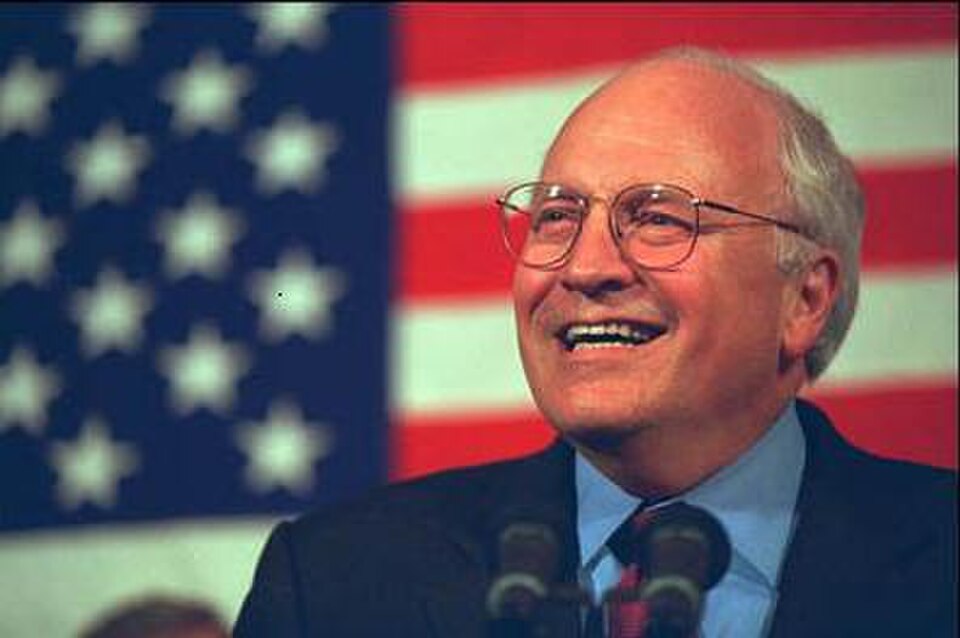
Dick Cheney’s role in the post-September 11 security state left a dark stain on America’s reputation. As vice president, he strongly defended aggressive interrogation policies, secret detention, and an expanded view of executive power.
To supporters, he looked like a hard man making hard choices after a national trauma. To critics around the world, he helped normalize the very abuses America claimed to oppose.
The damage was not only legal or political. It was moral. When photographs, reports, and testimony about detainee abuse became public, America’s language about human rights sounded weaker.
The country could still condemn torture elsewhere, but many listeners now heard hypocrisy behind the speech. Cheney’s legacy showed how quickly fear can turn a democracy’s values into negotiable slogans.
Henry Kissinger
Henry Kissinger was admired by some as a brilliant strategist, but his record also made America look calculating and cruel to many people around the world. His involvement in Cold War decisions tied the United States to bombings, coups, authoritarian governments, and secretive power plays in places such as Cambodia, Chile, East Timor, and beyond. For critics, Kissinger became the face of a foreign policy that treated smaller nations like chessboards.
The harm to America’s image came from the gap between language and behavior. U.S. officials spoke about democracy and stability, yet American policy often supported repression when it suited strategic goals.
Kissinger’s approach helped cement a global suspicion that America’s commitment to freedom could disappear the moment another country’s democracy produced the wrong result.
Lyndon B. Johnson
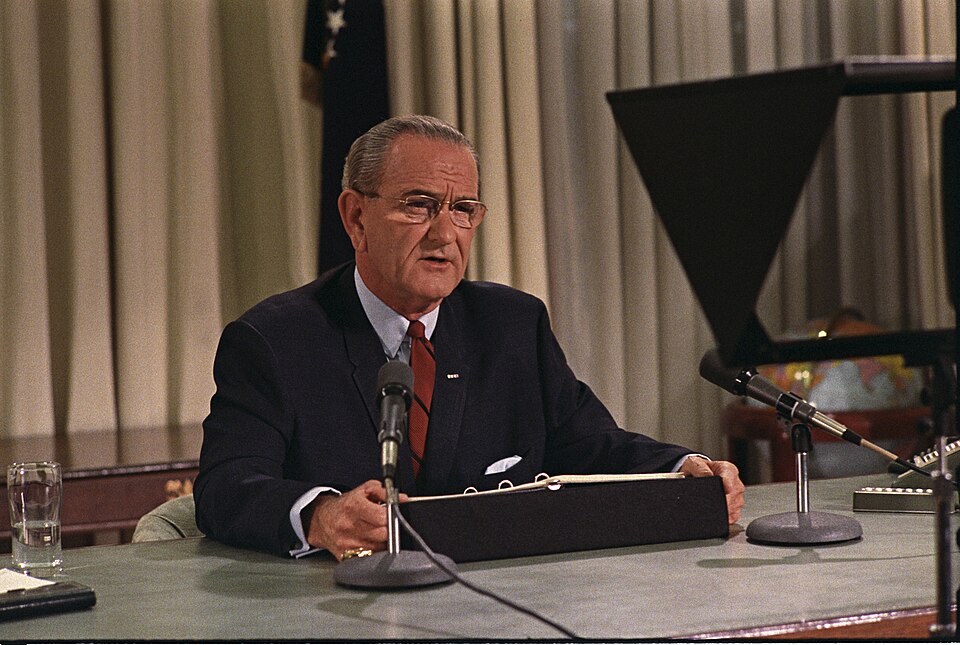
Lyndon B. Johnson wanted to be remembered for civil rights and the Great Society, but Vietnam became the shadow that swallowed his presidency. Under his leadership, the U.S. presence in Vietnam expanded dramatically, and the war became a grinding display of military might without moral clarity.
The longer it continued, the harder it became for America to present itself as a peaceful defender of self-determination.
Vietnam damaged America’s image because it showed the world a superpower unable to admit failure. Scenes of bombing, body counts, protests, and villages caught in the machinery of war made U.S. rhetoric sound hollow. Johnson did not start every part of the conflict, but his escalation made him one of the central figures in one of the most damaging chapters of American foreign policy.
Richard Nixon
Richard Nixon had major foreign policy achievements, including opening relations with China, but Watergate carved a permanent crack into the image of the American presidency. The scandal exposed burglary, cover-ups, secret recordings, abuse of power, and a president willing to treat political opponents like enemies of the state. For a country that promoted constitutional democracy abroad, the spectacle was humiliating.
Watergate also changed how the world viewed American power at home. The United States did not look invincible. It looked paranoid, divided, and deeply suspicious of its own leaders.
The fact that institutions eventually forced Nixon out also showed democratic resilience, but the scandal still made America’s highest office look smaller, dirtier, and far more human than the polished image Washington preferred to project.
Edgar Hoover
Edgar Hoover built the FBI into a powerful national institution, but his abuses damaged the idea that America protected dissent. Under his leadership, surveillance and disruption campaigns targeted civil rights leaders, antiwar activists, political groups, and people challenging the status quo.
The most disturbing part was not simply that the government watched people. It was that federal power was used to intimidate and weaken lawful movements.
For the world, Hoover’s legacy revealed a painful contradiction. America praised free speech and civil rights, yet one of its most powerful law enforcement figures treated many reformers as threats.
His actions made American freedom look selective, especially to nations already skeptical of Washington’s moral lectures. When a country spies on its own dreamers, its speeches about liberty begin to lose their shine.
Donald Trump

Donald Trump’s impact on America’s image extended beyond policy fights. It came from the way his presidency made the world watch the United States argue with itself in public, loudly, bitterly, and sometimes violently.
His attacks on institutions, his refusal to accept the 2020 election result, and the chaos surrounding January 6 made America’s democratic system look fragile in a way many allies had never seen so clearly.
For decades, U.S. leaders lectured other countries about peaceful transfers of power. Then the world saw rioters storm the Capitol while lawmakers were certifying an election. That image gave authoritarian governments an easy talking point and left allies wondering how stable America really was.
Even people who supported parts of Trump’s agenda could see that his style changed the global conversation from American leadership to American instability.