8 Old‑School 1950s Marriage Rules That Clash With Today

Image Credit: tverdohlib/123rf Photos
In the 1950s, marriage was often seen as the cornerstone of stability, but it was also a time when rigid gender roles were deeply ingrained in everyday life. These weren’t just societal norms; they were expectations that shaped how couples interacted, how they lived, and even how they viewed each other.
Marriage in the 21st century has evolved significantly, becoming more inclusive and centered on mutual respect. Today, the norms that governed the ideal 1950s marriage would likely spark eye rolls and heated discussions.
The Husband Should Always Have the Final Say

In the 1950s, it was expected that the husband would make the final decisions on all major family matters. Wives were often told to support their husband’s decisions, no matter the consequences.
Modern marriages now thrive on collaboration and partnership. Shared decision-making leads to better long-term outcomes, whether it’s about finances, children, or family matters. Couples today value equality in the relationship, and decisions are made together, not by one partner alone.
Women Should Abandon Their Careers After Marriage
In the 1950s, it was that women should quit their jobs once they married. The societal norm was that women were meant to be homemakers, not breadwinners.
However, as the world evolved, so did women’s roles. Women today are encouraged to pursue their passions, whether that’s through their career or other endeavors. Dual-income households are now common and offer greater financial security, stability, and independence.
Housework Is Solely a Woman’s Responsibility
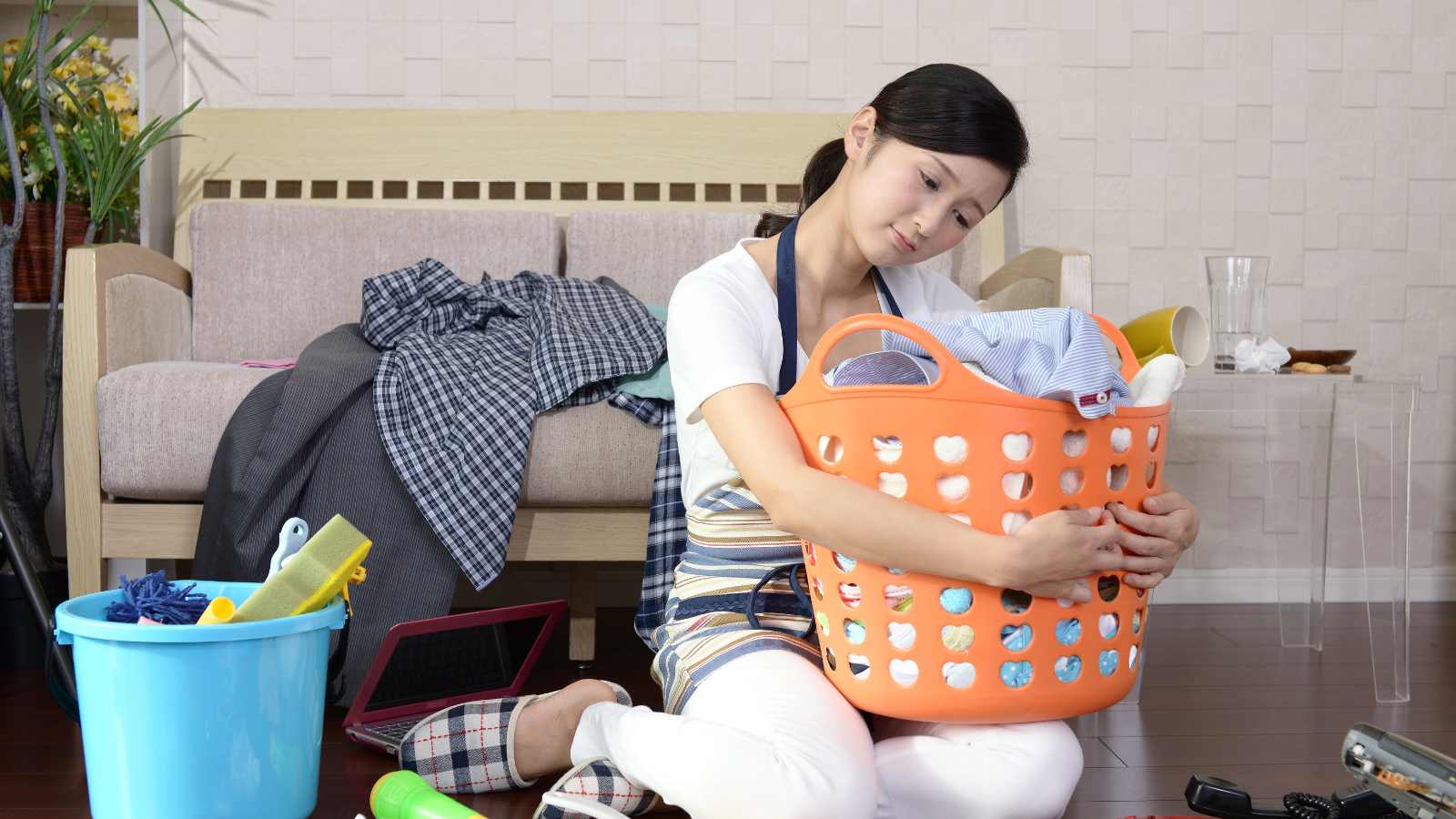
The 1950s saw the household as a woman’s domain, where cooking, cleaning, and childcare were her sole responsibility. While this idea was supposed to reflect a woman’s role in maintaining the home, it’s clear that such expectations were deeply unfair.
Couples now share household responsibilities, and research shows that marriages where chores are split equally are stronger and more successful. When both partners contribute to the upkeep of the home, they build a deeper connection.
Disagreement in Public Is Forbidden for Wives
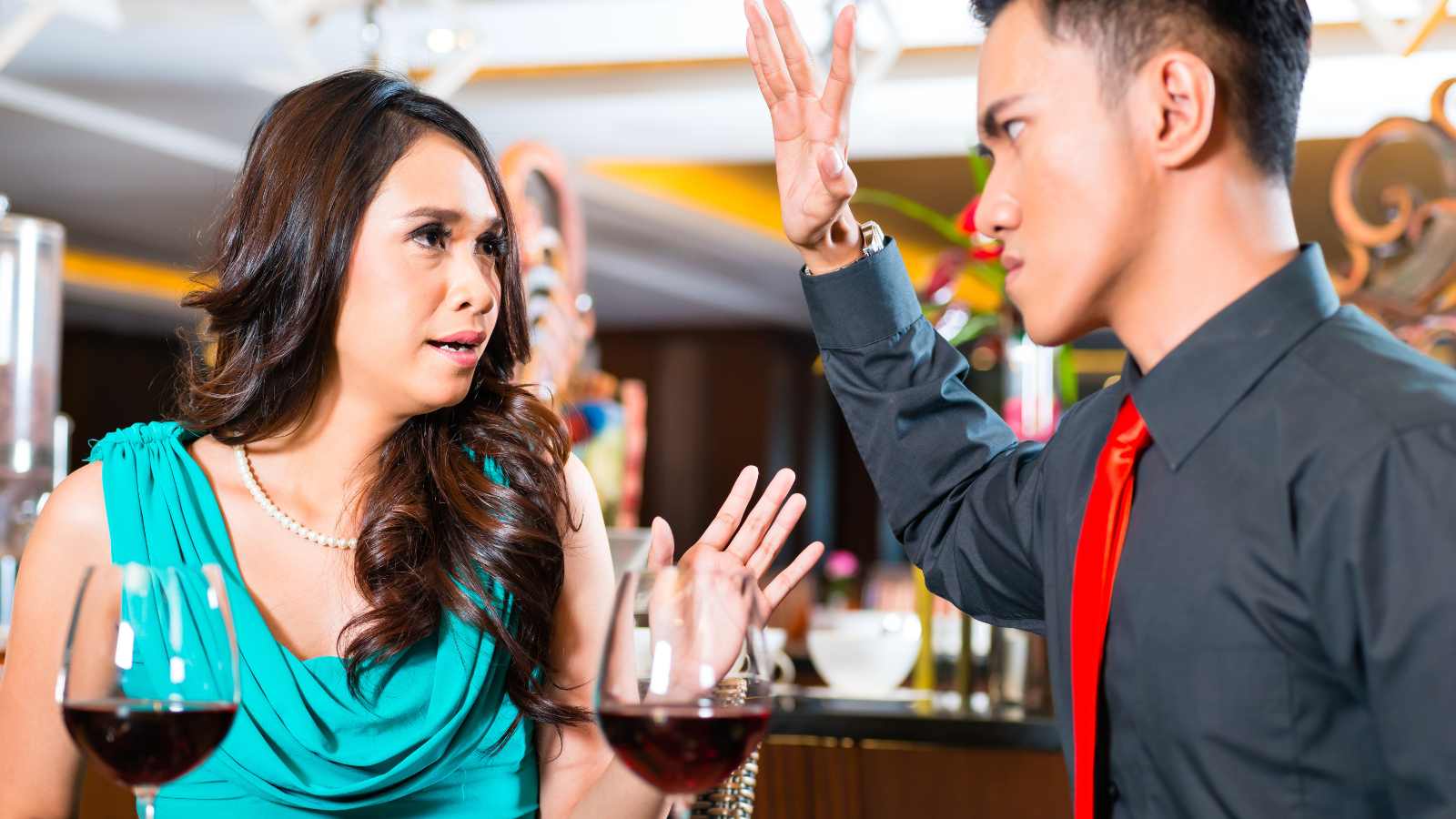
In the 1950s, wives were expected to be supportive and never voice disagreement, especially in public. A wife’s opinions were often dismissed, and any form of public disagreement was seen as disrespectful.
Marriages now encourage open communication, including disagreements, as long as they are respectful. Couples who can disagree with kindness and understanding strengthen their relationship. Healthy disagreements show that both partners are engaged and care deeply about each other’s viewpoints.
A Woman’s Worth Is Based on Her Domestic Skills
In the 1950s, a woman’s worth was largely determined by how well she could run a household. Cooking skills, cleanliness, and homemaking abilities were the primary markers of her value.
In modern marriages, value is placed on emotional connection, communication, and mutual respect. Personal achievements, career success, and individual development are celebrated, creating a more balanced, holistic view of each partner’s worth.
Child-Rearing Is the Mother’s Responsibility
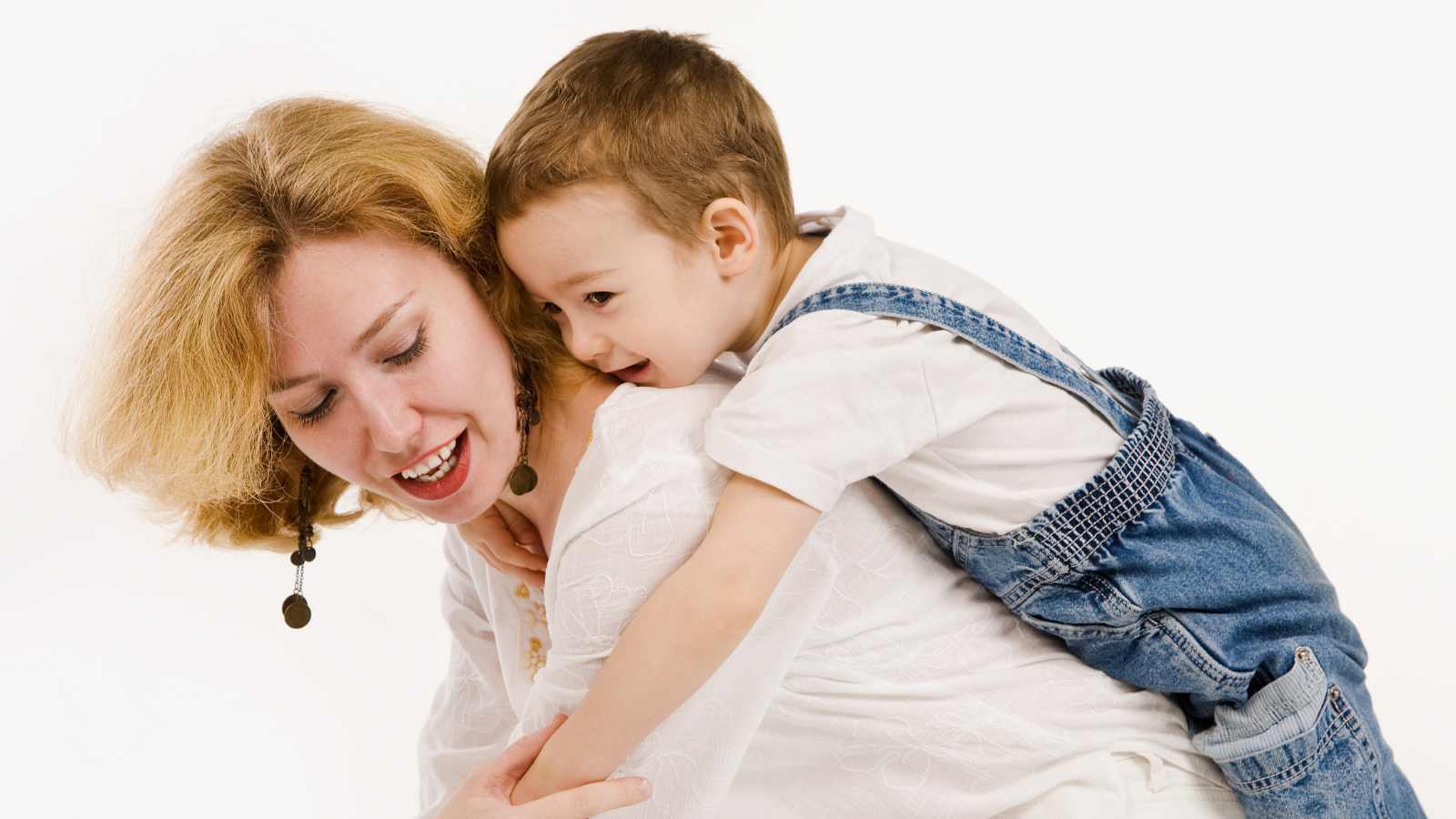
In the 1950s, mothers were expected to handle all aspects of child-rearing, while fathers were seen as secondary, often only involved in discipline. This created unrealistic expectations for women, and the emotional and physical burden of raising children fell squarely on their shoulders.
Parenting is now viewed as a shared responsibility. Fathers are more engaged than ever, providing emotional support, fostering child development, and enriching overall family life. Studies have shown that children with involved fathers perform better academically and have better emotional health.
Wives Should Not Have Political Opinions
The 1950s promoted the idea that women should not engage in political discourse or form opinions on current events. Politics was seen as a man’s arena, and women were expected to defer to their husbands’ views.
Political engagement is vital for both partners in modern marriages. Couples who engage in political discussions are more likely to have shared values and respect for one another’s viewpoints, regardless of differences. A relationship that values mutual respect and shared ideals is a relationship built to last.
Divorce Was Stigmatized
In the 1950s, divorce was frowned upon, and the social stigma surrounding it often led people to remain in unhealthy, even abusive marriages. The notion that divorce was never an option caused a great deal of harm, especially to women who were trapped in toxic relationships.
Divorce is seen as a valid choice for individuals in unhappy or unsafe relationships. The ability to leave a marriage that no longer works has been empowering for many, reducing the stigma and offering people the opportunity to find happiness and peace in their lives.
Conclusion
Marriage has come a long way since the 1950s, evolving from rigid gender roles and outdated expectations to a more equitable and respectful partnership. These outdated marriage ideas from the past now serve as a reminder of how far we’ve come, and how important it is to continue promoting equality and mutual respect in relationships.
The modern marriage thrives on shared responsibilities, emotional validation, personal growth, and mutual support, creating a dynamic where both partners can flourish.