8 nostalgic foods from our childhood that nobody else remembers

Food actually used to taste better. If you’ve been doom-scrolling eBay lately, you might have noticed a weird trend: people are paying hundreds of dollars for expired snacks. Welcome to the era of “Newstalgia,” where 75% of consumers admit they’re more likely to buy something that reminds them of the “good old days.”
We aren’t just hungry; we’re trying to eat our way back to a time when our biggest worry was keeping our Tamagotchi alive. Let’s pour one out for the fallen heroes of the pantry.
Planters P.B. crisps: the peanut butter holy grail
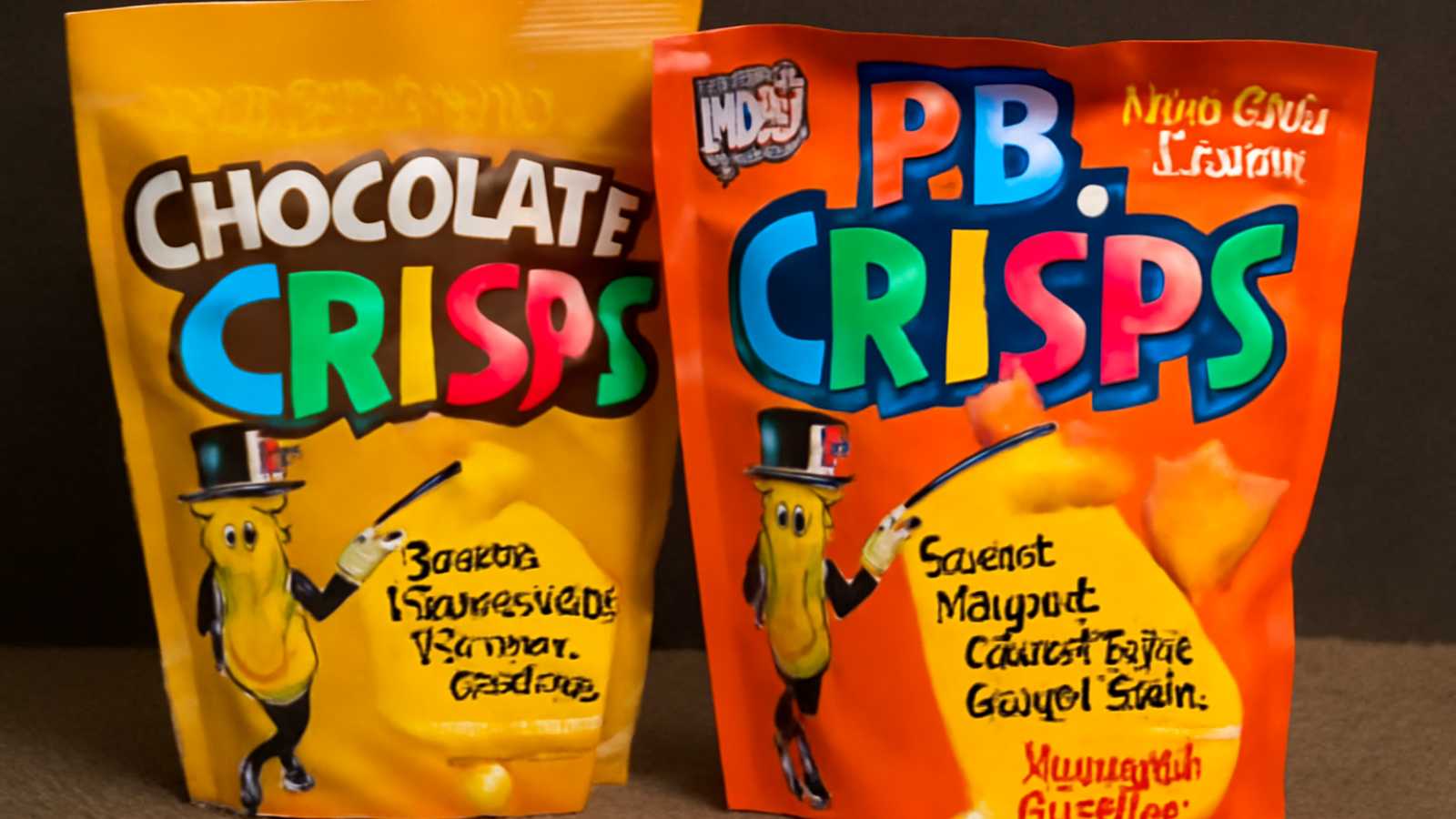
IMO, this is the most significant loss in snack history. Released in 1992, these were Graham cracker shells shaped like peanuts, filled with sweet peanut butter crème. They were perfect—crunchy, creamy, and undeniably addictive. But by 1995, they vanished.
Planters claims “low consumer demand” killed them, but the internet disagrees. Hardcore fans have launched dedicated websites and petitions to bring them back. If you want a taste of the past, you’re out of luck; empty tins alone are listing for over $100 on eBay. It’s a tragedy, honestly.
Keebler magic middles: the lost technology
How did the elves do it? Magic Middles (1989-2012) weren’t just cookies; they were engineering marvels. These shortbread cookies had a soft, fudge center that somehow stayed gooey at room temperature.
They quietly disappeared because Keebler supposedly needed the specialized equipment for other lines. Basically, corporate efficiency killed the magic. You can try to find copycats, but nothing hits quite like that original fudge-to-cookie ratio.
Squeezit: hydration by strangulation
Did you really grow up in the 90s if you didn’t strangle your beverage? Squeezit bottles were a masterclass in chaotic design—you had to physically crush the plastic character to get the juice out. Flavors like “Chucklin’ Cherry” were essentially high-fructose corn syrup and red dye.
They were discontinued in 2001, partly due to declining popularity and increased competition. Fun fact: Squeezits contained barely any actual fruit juice, but we didn’t care. The thrill was in the squeeze.
Orbitz drink: the potable lava lamp
Ever look at a lava lamp and think, “I want to drink that”? Clearly Canadian did. Launched in 1997, Orbitz was a clear soda filled with suspended gelatin balls. It looked futuristic, but the texture was… challenging.
Consumers hated swallowing the “slime balls,” and it flopped hard. Ironically, unopened bottles now sell for $35 to $60 because the gellan gum keeps the balls suspended indefinitely. It’s less of a drink and more of a science experiment now.
Philadelphia cheesecake snack bars: refrigerated luxury
This was the height of sophistication for a 10-year-old. These bars were actual cheesecake slices dipped in chocolate, sold in the refrigerated aisle. They tasted like pure indulgence, clocking in at 190 calories of creamy bliss.
So, why did they leave us? A Kraft marketing director eventually revealed that “manufacturing challenges” made them too difficult to produce at scale. FYI, enthusiasts have signed petitions with over 37,000 signatures demanding their return. We just want our pocket cheesecake back, okay?
Altoids sours: pleasure and pain

These things famously destroyed the roof of your mouth. Packaged in those classy metal tins, Altoids Sours were coated in “sour dust” (citric acid) so strong it felt like chemical warfare. The Tangerine flavor was an absolute icon.
Discontinued in 2010 due to low sales, they are now the “bitcoin” of the candy world. Sealed tins can fetch upwards of $150 online, even though the candy inside has melted into a sticky puck.
Hershey’s swoops: the shape of failure
Remember when chocolate tried to be Pringles? Swoops (2003-2006) were thin, curved chocolate slices. The ads promised a “mouth-melting experience,” but shoppers weren’t buying it—literally.
Market research showed that only 14% of consumers even knew they existed. Plus, the packaging was wasteful, and the price point didn’t make sense compared to a regular bar. Sometimes innovation is just fixing something that isn’t broken.
Kudos granola bars: the healthy lie
Let’s be real: this was a candy bar in disguise. Kudos launched in 1986 as a “healthy” granola snack, but by the end, they were drizzled in chocolate and topped with M&Ms. Parents bought them thinking they were nutritious; we ate them because they were delicious.
They were discontinued in 2017 as the market shifted toward actual health foods, such as KIND bars. Kudos couldn’t survive in a world that started reading nutrition labels.
Key takeaway

Nostalgia is a robust flavor. While these snacks are gone, they represent a specific time in our lives that we’re desperate to hold onto. Dr. Clay Routledge says nostalgia is a resource for “self-continuity,” helping us connect our past to our future. So, the next time you see a “retro” snack reboot, buy it. It might not taste the same, but the memory? That’s priceless.
Read the Original Article on Crafting Your Home.