


Many middle-class families chase purchases that feel like milestones of success, such as bigger homes, luxury vehicles, or extravagant vacations. At first, these items may seem glamorous and aspirational, but hidden costs often outweigh the benefits.
Maintenance, insurance, and ongoing expenses can quickly turn these dreams into financial burdens. Without careful planning, families can find themselves trapped in long-term financial obligations.
Understanding which purchases are most likely to drain resources helps households make smarter, more sustainable financial decisions and preserve stability.
Luxury Vehicles
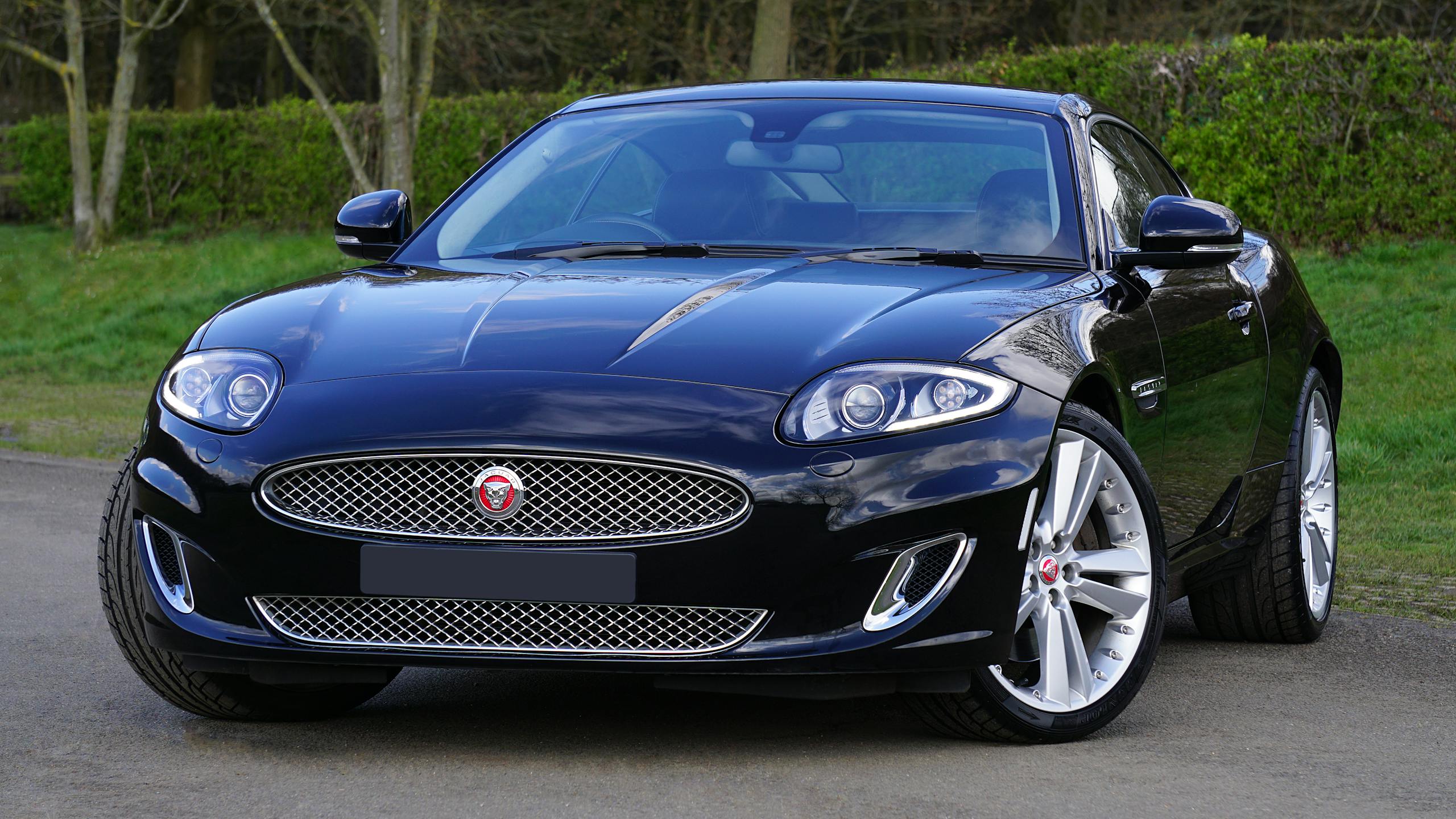
High-end cars and oversized trucks appeal to status and style but come with crushing monthly payments. Insurance, premium fuel, repairs, and depreciation add to the ongoing burden, often going unnoticed during the initial excitement of purchase.
Many families underestimate the total cost over several years, leaving long-term financial obligations. Owning a luxury vehicle can shift focus from saving or investing to just covering recurring costs. The thrill of status fades quickly while financial strain and maintenance obligations mount, turning a symbol of success into a liability.
Pets
Pets bring companionship but are often a hidden financial burden. Veterinary visits, grooming, food, medications, boarding, and emergencies can add up to thousands of dollars annually. Families with multiple or senior pets may face dramatically higher, often unexpected, costs.
Emotional investment and care responsibilities can further stretch time and money, making pet ownership a long-term commitment that requires careful planning. While rewarding, pets can quietly consume resources that could otherwise be allocated to savings, travel, or home improvements.
Vacation Homes
Second homes or lake houses are a dream for relaxation, but hidden expenses multiply fast. Maintenance, utilities, property taxes, dock repairs, and landscaping require ongoing attention, often year-round. Many owners feel compelled to use the property enough to justify the costs, which adds stress rather than relief.
The financial impact of a second home can overshadow the enjoyment, limiting other opportunities and investments. What starts as a retreat can quickly become another source of financial and logistical strain, draining energy and savings alike.
Oversized Homes

Bigger houses may symbolize success, yet they carry hidden costs beyond the mortgage. Property taxes, utilities, repairs, furniture, and landscaping quickly accumulate, creating a financial burden that continues year after year.
Homeowners often find themselves “house poor,” spending more on upkeep than enjoying the space. Large homes require constant maintenance and management, which adds stress and limits free time. Stretching the budget for size alone can create years of financial strain and prevent families from saving for other important goals.
Campers and RVs
RVs promise spontaneous adventures and family road trips, but they often sit unused for most of the year. Owners must cover insurance, storage, fuel, and repairs, while towing frequently requires a larger, more expensive vehicle. Many families discover that the reality of constant upkeep outweighs the dream of freedom and flexibility.
Beyond money, RV ownership demands time and effort for preparation, cleaning, and maintenance. Over time, what seemed like a fun investment becomes a heavy financial and logistical responsibility that rarely justifies the initial excitement.
Youth Travel Sports

Competitive youth sports appear enriching, but can consume enormous amounts of time and money. Fees for travel teams, tournaments, private coaching, hotels, flights, and specialized equipment add up quickly, often surprising families.
Parents frequently sacrifice weekends, vacations, and personal time to keep up with schedules. Emotional stress also builds from the pressure to perform and to financially support children. The costs and commitments can outweigh the perceived benefits, making what seems like a positive activity a source of ongoing strain.
Boats
Owning a boat involves constant upkeep, including maintenance, fuel, winterization, and marina fees. Boats depreciate quickly and require specialized care, making them expensive and time-consuming to maintain. Many owners regret the purchase when the demands outweigh the enjoyment.
Beyond financial strain, boat ownership consumes free time and energy, with unexpected repairs frequently disrupting schedules. Renting or sharing a boat often provides the same enjoyment at a fraction of the cost and without long-term obligations.
Pools and Hot Tubs

Backyard pools and hot tubs promise luxury but demand constant maintenance. Chemicals, electricity, cleaning, and repairs add recurring costs that often exceed installation expenses.
Seasonal upkeep and unexpected damages further increase financial pressure, creating an ongoing drain. Over time, pools and hot tubs can shift from sources of enjoyment to persistent financial and time-consuming obligations. Families often underestimate the energy and attention required, leaving these purchases more burdensome than pleasurable.
Conclusion
Many middle-class purchases are marketed as status symbols or lifestyle upgrades, but hidden costs and ongoing obligations often outweigh the initial appeal. From oversized homes and luxury vehicles to boats, pools, and youth sports, these investments can quietly erode financial stability.
By evaluating long-term costs, prioritizing practicality over status, and planning carefully, families can protect their finances while still enjoying meaningful experiences. Making informed purchasing decisions ensures that lifestyle choices enhance life rather than create unmanageable financial stress.
Read the original article in Crafting Your Home.


