


Grilling is a craft that demands knowledge, precision, and respect for how different meats respond to high heat. While the sizzle of flames and smoky aroma are irresistible, not all cuts are designed to survive direct grilling.
Certain meats can become dry, tough, burnt, or even unsafe when exposed to an open flame. Understanding which proteins are ill-suited for the grill, and how to prepare them properly, ensures a safe, flavorful, and stress-free barbecue.
The following eight types of meats commonly fail on the grill, along with practical alternatives or cooking techniques to preserve taste, texture, and nutrition.
Ground Meats With High Moisture
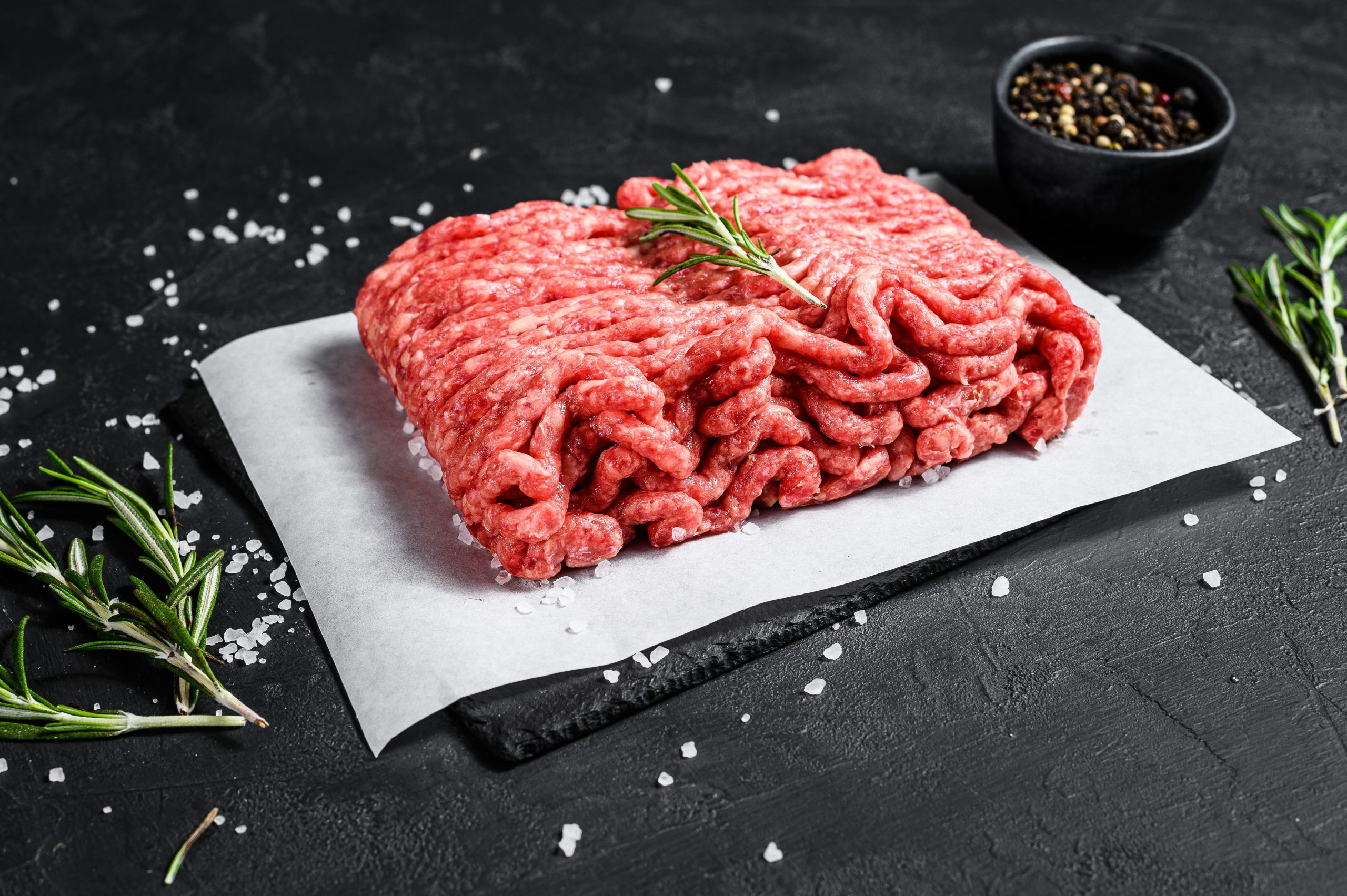
Loose ground beef, turkey, or chicken presents unique challenges. Patties can fall apart, shrink drastically, and drip excess fat. Uneven heat leads to a dry, crumbly exterior while the interior remains undercooked.
Alternative: Use pre-formed, tightly packed patties, or cook on a griddle or cast-iron pan. These surfaces maintain even heat and moisture, producing juicy, intact burgers without flare-ups.
Delicate Fish Fillets
Flaky fish such as tilapia, cod, or sole cannot withstand open flames. They easily stick to grates, break apart, and overcook within seconds, leaving dry, unappealing pieces.
Alternative: Use firm fish like salmon, tuna, or swordfish steaks. Oily, dense flesh holds moisture and grill marks, delivering optimal flavor and texture. Foil packets also help prevent sticking and burning.
Thin-Cut Steaks
Paper-thin flank or skirt steaks are vulnerable to rapid overcooking. High heat sears the exterior too fast, leaving interiors gray and leathery.
Alternative: Pan-sear or stir-fry thin steaks for precise control. For the grill, choose thicker cuts like ribeye or strip steak that can endure high heat while maintaining juiciness and flavor.
Processed Meats

Processed meats, including hot dogs, bratwursts, and pre-packaged sausages, contain nitrates, preservatives, and fillers. High heat triggers chemical reactions that can create nitrosamines, compounds associated with cancer in some studies. Additionally, the high fat and low structural integrity of processed meats cause flare-ups and uneven cooking, resulting in burnt outsides and undercooked interiors.
Alternative: Choose fresh, unprocessed cuts of chicken, pork, or beef. Season with herbs and spices, then grill over medium heat for even cooking and enhanced flavor without harmful chemical formation.
Pre-Marinated Meats With Sugar
Marinades containing sugar, such as teriyaki, honey BBQ, or sweet glazes, caramelize rapidly at high temperatures. Thin cuts burn before the interior cooks, creating a bitter, unpleasant crust. Even thicker pieces are prone to scorching if not monitored carefully.
Alternative: Grill at lower temperatures, cook inside foil packets, or pan-sear over moderate heat. This preserves flavor, texture, and balance between caramelization and tenderness.
Fatty Pork Belly

Pork belly is highly marbled, making it susceptible to dangerous flare-ups on a hot grill. As fat drips into coals or burners, flames flare, charring the exterior and leaving the meat bitter. Thick slabs may become rubbery, compromising the tenderness that makes this cut desirable.
Alternative: Slow-braise or oven-roast pork belly. These methods render fat gradually, producing crisp layers and succulent texture without fire hazards or bitter char.
Lean Game Meats
Venison, bison, rabbit, and other low-fat game meats dry out quickly on high heat. Their lean structure cannot withstand direct flame, leading to a tough, chewy final product.
Alternative: Roast or slow-braise these meats to retain moisture. If grilling is preferred, cook thicker cuts over indirect heat, ensuring even cooking without moisture loss.
Organ Meats
Organ meats are nutrient-dense but delicate. Their strong flavors intensify when charred, and their soft texture makes them prone to sticking, overcooking, or uneven searing on a grill.
Alternative: Pan-sear, braise, or roast organ meats. These method preserve flavor and tenderness while preventing the burnt, overpowering taste often produced by direct flame.
Conclusion
Grilling success depends on matching meat type with appropriate heat and cooking method. Avoiding these eight problem meats prevents flare-ups, burnt flavor, and nutrient loss. By respecting texture, fat content, and moisture levels, home chefs can ensure a barbecue that is safe, flavorful, and impressive.
Proper preparation, temperature control, and cut selection transform the grill from a hazard into a tool for culinary excellence.


