8 Hospital Food Around the World
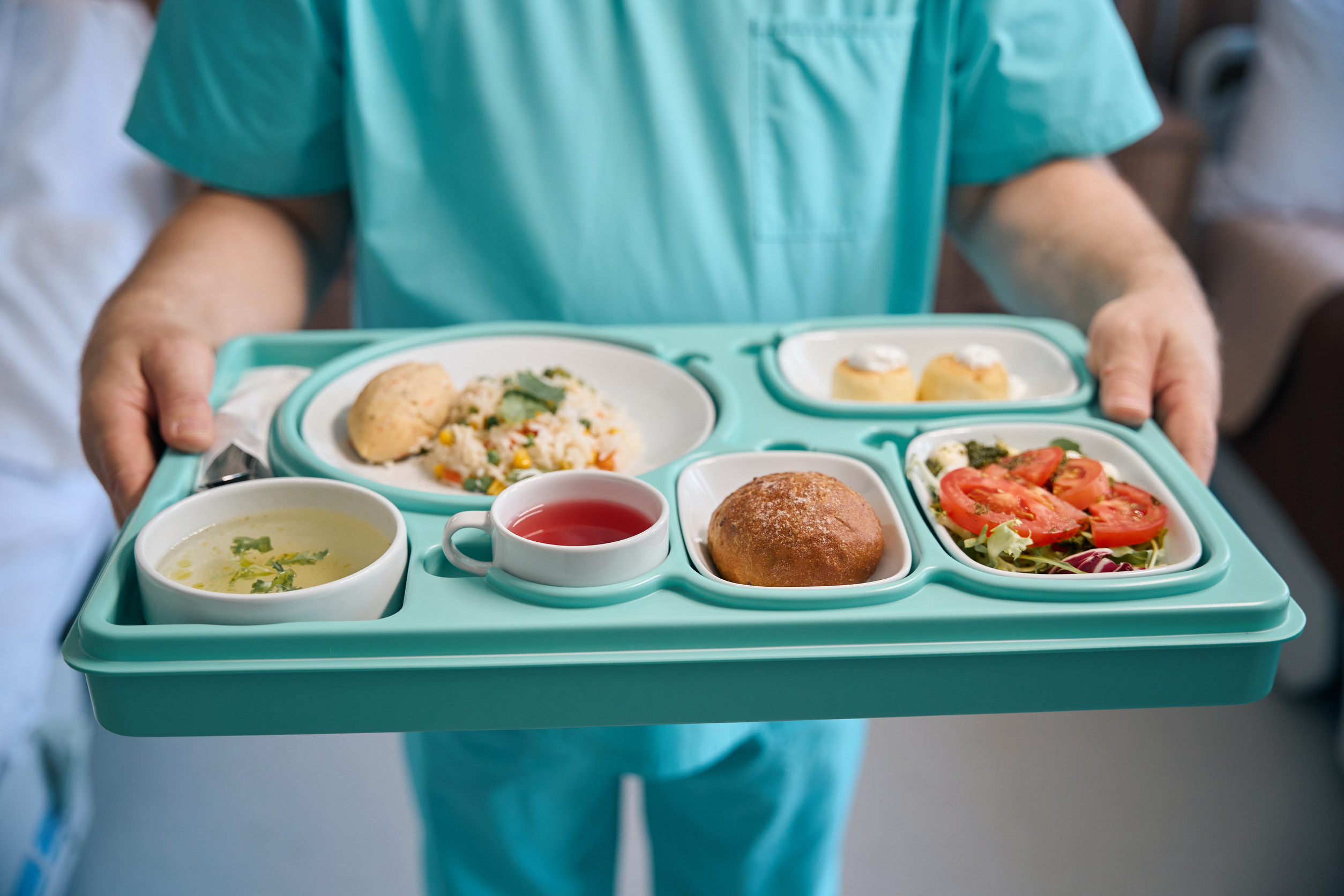
Hospital food is often the subject of jokes and complaints, bland, tasteless, or unappetizing. But what happens when you step outside the familiar and look at hospital meals from different corners of the globe? The answer is quite surprising. Hospital food, while universally associated with nourishment, can vary widely across cultures, ingredients, and healthcare systems.
From the nutritious, hearty meals designed to aid recovery to the light, comforting dishes meant to soothe, hospital food reflects the culinary customs and health priorities of each region. In this global culinary tour of hospital food, we’ll look beyond the typical tray of rubbery chicken, mashed potatoes, and watery broth. Prepare to be amazed by the diversity, creativity, and care that goes into feeding patients worldwide.
Japan
In Japan, hospital food is treated with the same reverence as any other meal. Japanese hospitals have taken meal quality seriously, integrating health-conscious ingredients that promote recovery while reflecting the local cuisine’s delicate flavors. It’s not uncommon for meals to feature a blend of steamed rice, miso soup, pickled vegetables, grilled fish, and seasonal fruits.
Everything is meticulously prepared, and the portion sizes are often small but thoughtfully balanced. In some hospitals, meals are tailored to each patient’s specific needs, with doctors recommending low-sodium or low-fat options. The Japanese approach to hospital food isn’t just about nutrition; it’s about comfort and mindfulness.
The visual appeal of each plate is just as important as the flavors. Meals are arranged with precision, using beautiful bowls and plates, showcasing seasonal ingredients, and incorporating colors and textures that reflect Japan’s commitment to aesthetics in all aspects of life.
France
In France, food is serious business, including the meals served in hospitals. French hospitals often prepare dishes with locally sourced ingredients, and meal service can even include wine for patients who can drink it. Hospital food here is more than just sustenance; it’s a part of the healing process, offering patients a taste of the country’s gastronomic culture.
A typical French hospital meal might feature a variety of cheeses, fresh bread, a salad with vinaigrette, a hearty soup, and a main course like coq au vin or a vegetable stew. Even dessert is a must, with options like crème brûlée or fruit tarts. The emphasis is on quality ingredients, careful preparation, and a balance of flavors.
For many patients, the experience of eating these meals is a reminder of the joy that food can bring, even in times of illness.
Italy

In some regions, meals are tailored to reflect local specialties. In the south, you might find a bowl of minestrone or a fish dish from the Mediterranean. The focus is on well-balanced meals that are both satisfying and easy to digest, ensuring that patients receive the nutrients they need without overwhelming their stomachs.
And for many patients, a slice of homemade bread with olive oil is the perfect touch.
South Korea
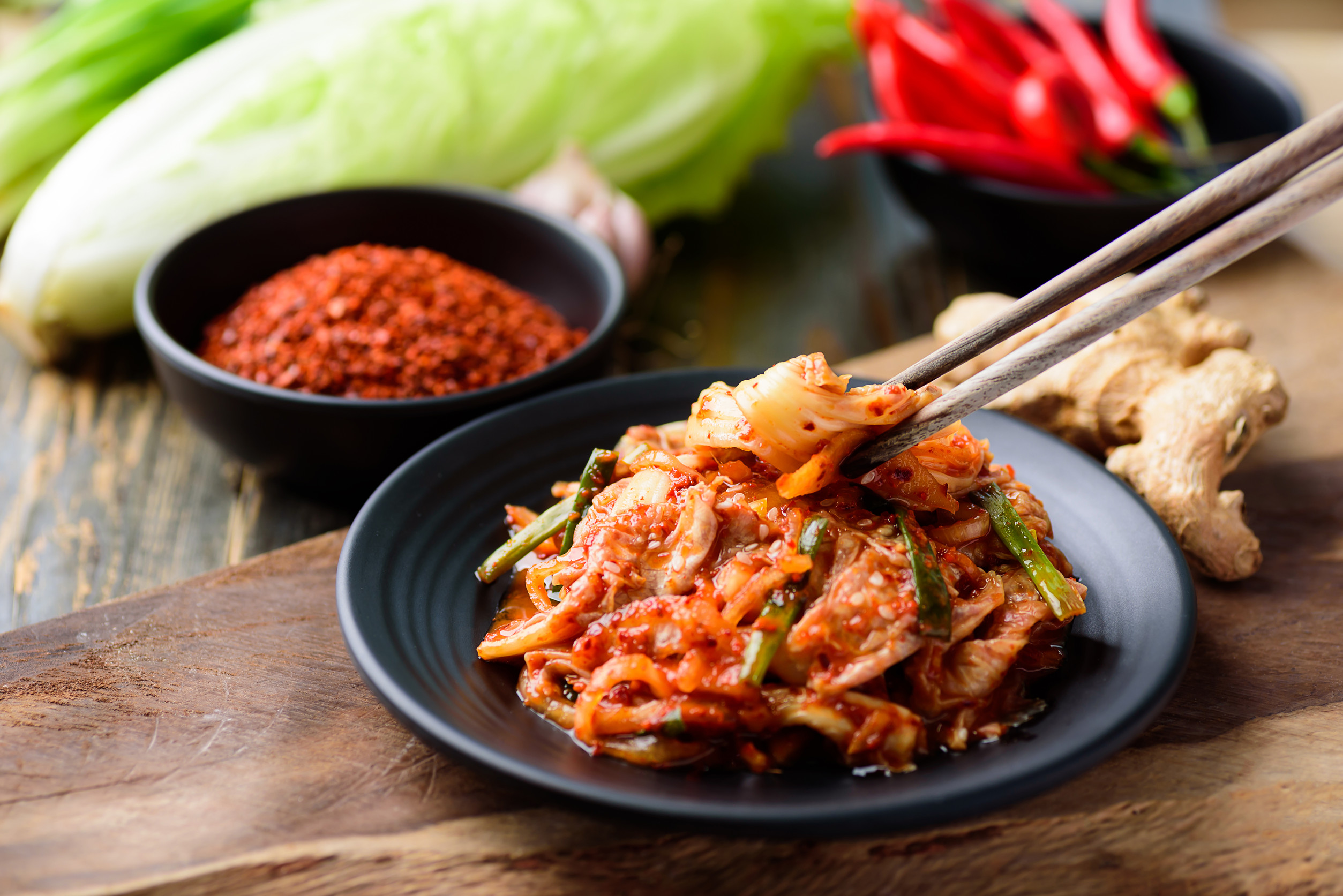
In South Korea, hospital meals often include the country’s most famous dish, kimchi. Fermented and full of probiotics, kimchi is thought to aid digestion and boost immunity, making it an essential part of recovery. Hospital meals typically include a variety of side dishes (banchan), such as kimchi, steamed rice, soup, and protein-rich dishes like fish or tofu.
These meals are often served in small portions, allowing patients to sample a little of everything. The Korean hospital meal philosophy focuses on balance and flavor. Meals are carefully crafted to meet both nutritional and cultural needs, with flavors ranging from spicy to savory.
Korean hospitals take pride in their culinary offerings, and the meals are prepared with the utmost care to ensure patients feel physically and emotionally comfortable.
Sweden
Sweden’s hospital food tends to focus on fresh, seasonal produce and lighter, yet hearty meals. Swedish hospitals often serve meals consisting of a protein (such as fish or chicken), a vegetable or root dish, and a bread roll. Meals are nutritious and designed to promote healing, but they’re also designed to be easy on the stomach.
A traditional Swedish hospital meal might include gravlax (cured salmon), boiled potatoes, and a dollop of mustard sauce. The Swedish approach to hospital food is built around moderation and balance. Dishes are prepared with fresh ingredients, and care is taken to ensure that meals are not only tasty but also aid in recovery.
Even the presentation of the meal is thoughtful, with meals often served in a simple yet elegant manner that reflects the Swedish philosophy of “lagom,” the idea that everything should be just right.
India
In India, hospital meals can vary significantly by region and patient dietary restrictions, but one thing is certain: spices play a crucial role. Indian hospital meals often incorporate the country’s diverse range of spices, which are believed to have healing properties. The food is often vegetarian, with dishes like dal (lentils), sabzi (vegetables), rice, and roti (flatbread) forming the base of the meal.
Some hospitals may even provide gluten-free or dairy-free options to accommodate specific dietary needs. Indian hospitals take care to ensure that meals are both nutritious and easy to digest, often featuring a combination of protein, carbohydrates, and fiber. Patients recovering from surgery or illness are often served dishes that are gentle on the stomach, such as light broths or khichdi (a rice-and-lentil dish), designed to aid digestion.
And of course, the use of spices like turmeric, cumin, and ginger adds flavor and potential health benefits to the meals.
United Kingdom
The UK is known for its no-nonsense approach to hospital food. The meals are often simple and focused on delivering the necessary nutrients to aid recovery. You’ll find options like boiled potatoes, steamed vegetables, meat and two veg, and perhaps a dessert like rice pudding or spotted dick.
The food is generally hearty and straightforward, designed to nourish without frills. However, in recent years, the UK has made strides toward improving hospital meals. Many hospitals now emphasize fresh ingredients, seasonal produce, and lighter fare for patients.
There’s also a focus on improving the overall dining experience, with many hospitals offering more varied and appetizing choices for patients, from salads to healthier snacks and even more diverse meal options for those with special dietary needs.
Mexico
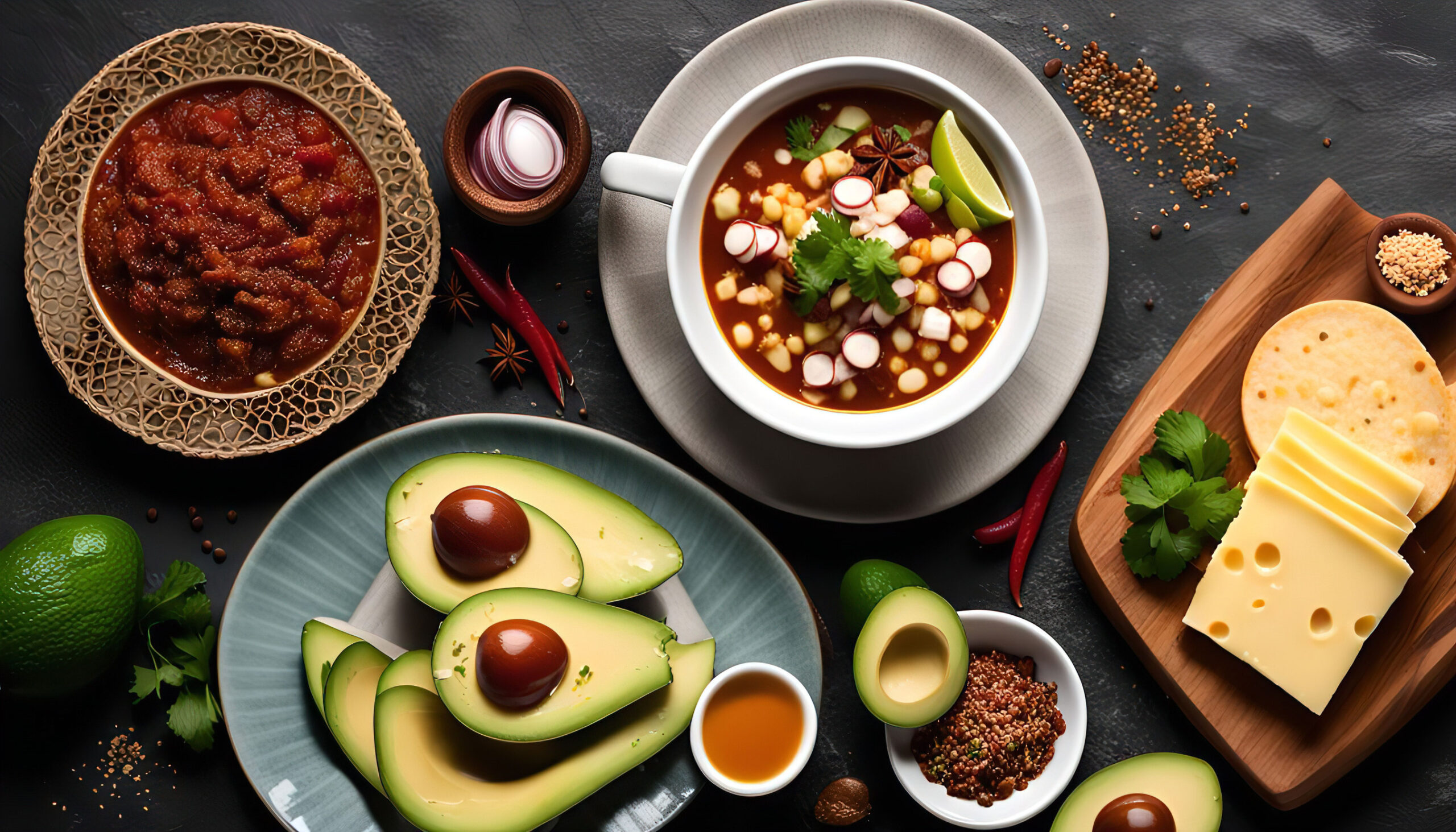
In Mexico, hospital meals are deeply rooted in the country’s traditional flavors. Meals are often rich in vegetables, legumes, rice, and meat, reflecting the staples of Mexican cuisine. A typical Mexican hospital meal might include arroz con pate (chicken and rice), beans, and tortillas on the side.
The food is designed to be comforting and filling, with a variety of spices and flavors that help nourish both body and soul. The Mexican approach to hospital food is about more than just nutrition; it’s about giving patients a taste of home. Comfort foods like pozole (a hominy-and-pork stew) or tamales are sometimes served to patients, depending on the region and hospital.
The emphasis is on providing meals that are easy to digest, but also culturally familiar and comforting.
Conclusion
While hospital food may not always be something we look forward to, it is undeniably an essential part of the healing process. Whether it’s Japan’s meticulous, artful approach, Italy’s heartwarming simplicity, or South Korea’s probiotic-packed kimchi, each country’s hospital food reflects the unique priorities of its healthcare system and its culinary traditions. From light, soothing meals to hearty, flavorful dishes, hospital food around the world is more than just nourishment; it’s a reminder of the power of food to heal, comfort, and bring people together.