

When it comes to keeping a home clean and organized, most of us focus on the obvious, scrubbing the bathroom, vacuuming the carpets, and taking out the trash. But there are countless items around the house that, over time, accumulate germs and wear and tear, making them far less sanitary or effective than we realize. Some of these items may be deceptively dirty, while others may lose their utility without us noticing.
Let’s uncover 8 household items that need to be replaced more often than you think. We’ll discuss why they matter, the risks they pose, and how often they should be replaced to maintain a healthy, functional home.
Plastic Food Storage Containers

Your trusty plastic food containers may have served you well for years, but over time, they can become a health risk. Scratched surfaces, melted edges, and fading color are all signs that it’s time to replace them.
Not only do these imperfections affect their functionality, but they can also cause harmful chemicals to leach into your food. Over time, plastics break down and may release BPA or other toxic substances, especially when heated. Regularly inspect your containers and replace them once they begin to show signs of wear.
Pillows
While you may not realize it, your pillow has a meaningful impact on your overall health and well-being. It isn’t just a soft surface to rest your head at the end of a long day, it provides crucial support for your neck, spine, and overall posture while you sleep. Over time, however, pillows lose their shape and cushioning, which can lead to neck and back pain, poor sleep quality, and even worsening conditions such as insomnia or snoring.
Additionally, pillows accumulate dust mites, bacteria, and allergens over time. These tiny organisms multiply rapidly in warm, moisture-rich conditions created by your breath and sweat, making regular replacement essential not only for comfort but also for maintaining a healthy sleep environment. By swapping out your pillow on time, you help yourself wake up feeling more rested and rejuvenated. and free of allergens that could harm your health.
Kitchen Sponges
A kitchen sponge, a cleaning tool we trust to keep our dishes and countertops spotless, can actually be one of the dirtiest items in your home. Used repeatedly to scrub dishes, wipe down surfaces, and clean up messes, sponges quickly become breeding grounds for bacteria. Studies show that kitchen sponges can harbor Salmonella, E. coli, and other harmful pathogens.
To help prevent cross-contamination and limit the spread of germs, replace your sponge every week or every two weeks. You can further sanitize it by heating it in the microwave for a minute or immersing it in a properly diluted bleach solution, but ultimately, replacing it regularly is the safest bet.
Cutting Boards

Your cutting board is a key tool in the kitchen, but it can quickly become a breeding ground for harmful bacteria, especially if you’re cutting raw meat. Even after washing, bacteria can remain trapped in the deep grooves and cracks of your cutting board, making it difficult to fully sanitize.
Be sure to check your cutting board routinely and replace it if you notice cracks, deep grooves, or other signs of deterioration or wear. Replacing your cutting board annually (or sooner if it’s in poor condition) will help you prepare food safely and reduce the risk of cross-contamination in your kitchen. A new, smooth board is an investment in both hygiene and your overall health.
Toothbrushes
Though small, your toothbrush is essential for maintaining good oral hygiene. As the bristles wear out, they lose their ability to clean effectively. Most dental experts advise replacing your toothbrush every 3 to 4 months, or sooner if the bristles start to splay. Additionally, changing your toothbrush after an illness can help prevent lingering bacteria and support a healthier recovery.
Smoke Detector Batteries
A smoke detector could save your life in the event of a fire, but only if it’s functioning properly. Smoke detectors are critical for alerting you to potential danger, but their batteries can lose power over time, making them ineffective when you need them most. As one of the most important safety devices in your home, it’s essential to prioritize regular maintenance.
The National Fire Protection Association (NFPA) recommends replacing smoke detector batteries at least every 6 months to ensure reliable performance. This is a quick and simple task that could make all the difference during an emergency. Many people use daylight saving time as a helpful reminder to change the batteries, but it’s also essential to test your detectors monthly. A working smoke detector is your first line of defense in a fire, and it’s vital to make sure it’s always in top condition.
Shower Curtains and Liners

Shower curtains and liners might seem like items that don’t require much attention, but they are actually prone to mold, mildew, and bacterial growth, owing to frequent exposure to water and damp conditions. Left unchecked, these contaminants can accumulate quickly, turning your bathroom into an unpleasant, unsanitary environment.
You should replace your shower curtain and liner every 6 months to prevent mold and mildew buildup. Even if you clean them regularly, these items wear out over time. Replacing them will ensure your bathroom maintains a fresh, hygienic atmosphere. A new shower curtain and liner can instantly revitalize the look and feel of your bathroom, while simultaneously keeping harmful bacteria at bay.
Furnace Filters
Furnace filters help maintain healthy indoor air, but they can gradually accumulate dust, dirt, and other airborne contaminants and allergens. A dirty furnace filter reduces the efficiency of your heating system and can affect the air quality throughout your home. Inadequate filtration can cause respiratory issues, allergies, and even damage to your furnace.
A common guideline is to replace your furnace filter about every three months to keep your system running efficiently. However, if you have pets, are allergic to dust, or live in a particularly dusty area, you may need to replace the filter more frequently. Regularly replacing your furnace filter helps maintain optimal air quality in your home, improve the efficiency of your heating system, and reduce the risk of indoor air pollutants. A simple filter change can significantly improve the comfort and health of your living space.
Fire Extinguishers
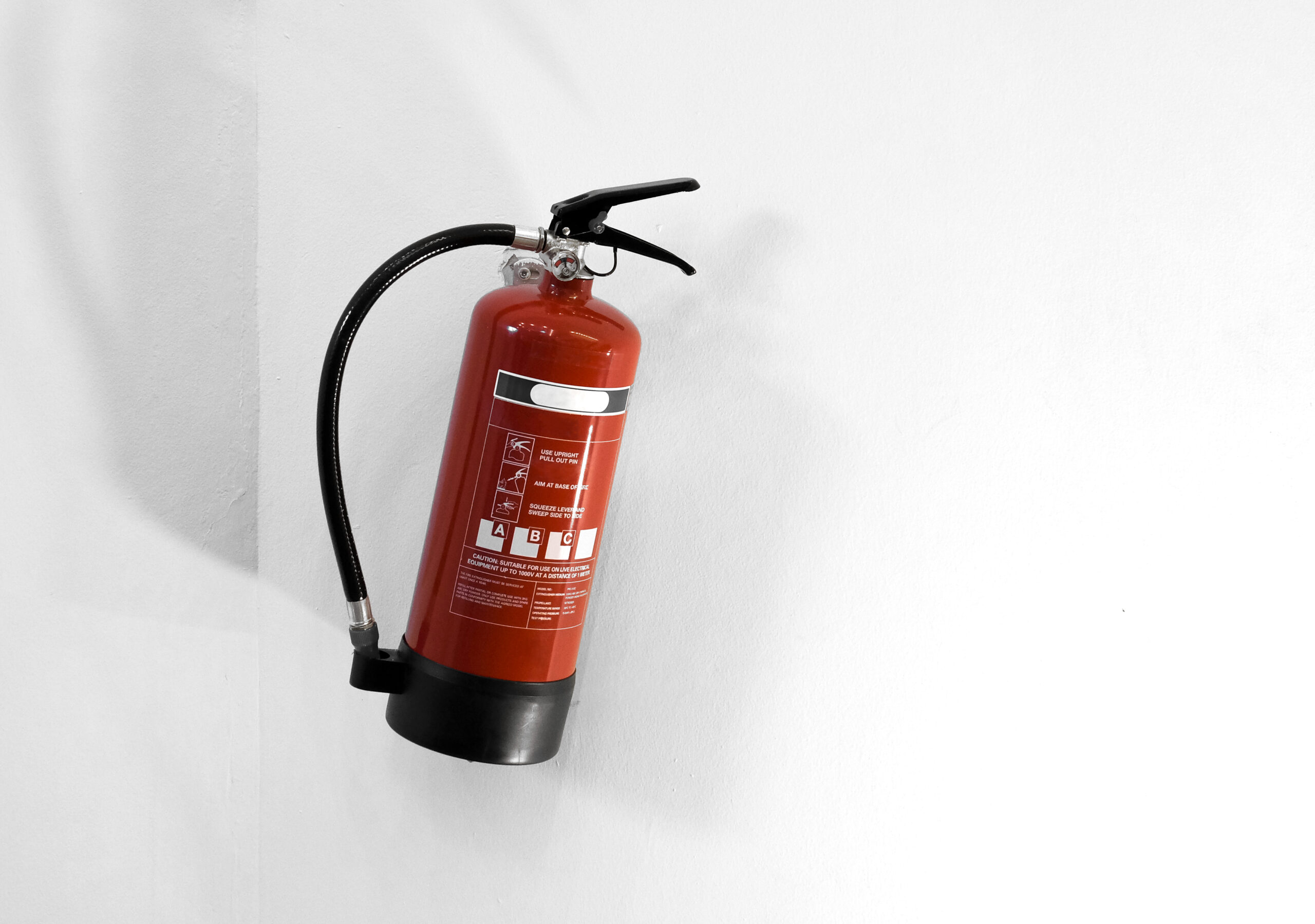
Fire extinguishers are essential tools for home safety, yet they are often neglected or forgotten about until an emergency arises. If your fire extinguisher is expired or faulty, it won’t function properly when you need it most. Fire extinguishers are designed to last a long time, but regular maintenance is still necessary to ensure they remain effective.
Typically, fire extinguishers last about 6 years, but they should be inspected periodically to ensure the pressure is sufficient and the pin is intact. If the extinguisher has been used, even partially, it should be replaced or recharged. Replacing fire extinguishers at the proper intervals ensures they are ready to help protect your home and family in case of a fire. Don’t wait until an emergency to realize that your fire extinguisher isn’t functional, regular checks and timely replacements are key to home safety.
Pet Bowls

Your pet’s food and water bowls may seem harmless, but they can accumulate germs and bacteria, especially from food particles, moisture, and saliva. According to an NSF study, 18% of pet bowls tested were contaminated with coliform bacteria, while 45% were contaminated with yeast and mold. Just as you would clean your own dishes after every meal, your pet’s bowls need to be regularly sanitized to prevent harmful bacteria from building up.
To keep your pet’s feeding area hygienic, wash their bowls daily with soap and water, and disinfect them regularly. Additionally, consider replacing old or worn pet bowls to maintain a safe and clean environment for your furry friend. Regularly inspecting and cleaning pet bowls helps keep your pet healthy and free from illness, creating a safe feeding environment.
Conclusion
Maintaining a clean and healthy home goes beyond the typical chores of vacuuming and scrubbing the floors. Household essentials such as sponges, pillows, cutting boards, and smoke detectors should be maintained regularly to ensure they operate safely and reliably.
By replacing these items at the right intervals, you can prevent harmful bacteria, allergens, and other potential risks from taking root in your home. Taking proactive steps to replace worn-out household items not only helps keep your home clean but also protects your health and well-being.
Make it a habit to regularly assess these household essentials and prioritize replacing them to keep your home fresh, safe, and comfortable. A few small changes can go a long way in maintaining the quality of your living space and protecting your family.
Read the original article in Crafting Your Home


