

The post 7 Weeknight Dinners American Middle-Class Families Kept Coming Back to in the 1960s first appeared on Crafting Your Home.
In the 1960s, dinner in many American households followed a familiar rhythm. Someone came home from work, children finished their homework, and the kitchen gradually filled with the smell of something cooking. No smartphones buzzed on the table, or delivery apps offered hundreds of last-minute options. Instead, many families relied on a collection of dependable meals they could prepare without too much fuss.
For middle-class households, dinner often reflected a combination of convenience, household budgets, regional traditions, and the growing availability of packaged foods. Some families prepared meals almost entirely from scratch, while others welcomed the shortcuts supermarkets and the expanding convenience-food industry offered.
The result was a collection of familiar dishes that appeared repeatedly on dinner tables across the country. Not every family ate the same meals, of course, but certain dishes became recognizable features of American home cooking during the decade.
Here are seven dinners that capture the everyday food culture of 1960s America.
Meatloaf With Mashed Potatoes
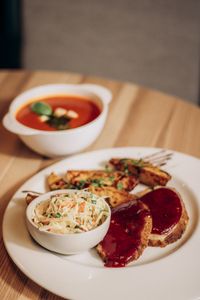
Few dinners capture the image of a traditional American family meal as well as meatloaf served with mashed potatoes.
Made with ground beef, breadcrumbs or crackers, eggs, seasonings, and sometimes chopped onions, meatloaf turned relatively inexpensive ingredients into a filling main dish.
Many home cooks topped it with ketchup or a tomato-based glaze before baking. Recipes varied from household to household, with some families adding milk, Worcestershire sauce, or other ingredients to give the loaf its own familiar flavor.
Mashed potatoes provided the natural companion. Potatoes were affordable, widely available, and easy to prepare in quantities large enough to feed a family.
Depending on the household, dinner might also include green beans, carrots, or another vegetable.
Meatloaf was especially convenient because it didn’t require constant attention while baking. A cook could prepare the ingredients, put the loaf in the oven, and use the remaining time to finish the side dishes.
Leftovers could also be sliced for sandwiches the following day.
It was a straightforward meal built around familiar ingredients, and that practicality helped make meatloaf a lasting American dinner favorite.
Tuna Noodle Casserole
Tuna noodle casserole became a recognizable example of the convenience-oriented cooking that grew popular in postwar American households.
The basic version combined cooked noodles, canned tuna, a creamy sauce, and sometimes peas or other vegetables. Many recipes used canned condensed cream-of-mushroom soup to create the sauce without requiring a separate white sauce from scratch.
Some cooks finished the casserole with breadcrumbs, crushed crackers, or another crunchy topping.
The ingredients were easy to find at the supermarket, and canned tuna offered a convenient protein source that could be stored in the pantry until needed.
For busy households, the appeal was obvious. You could assemble the casserole in one dish, bake it in the oven, and serve it in generous portions.
It also let cooks adjust ingredients based on what they had on hand. One family might include peas, while another might leave them out. Some preferred a crisp topping, while others served the casserole without one.
Tuna noodle casserole reflected a broader shift in American home cooking, as packaged ingredients increasingly became part of everyday meal preparation.
Although opinions on casseroles vary today, the dish remains closely associated with mid-century American comfort food.
Beef Stew With Bread
Beef stew was another dependable dinner for families who wanted something hearty and filling.
The dish typically combined beef, potatoes, carrots, onions, and broth or stock in a pot. As the ingredients simmered, the meat became tender, and the liquid developed a rich flavor.
Recipes varied by family tradition and regional preference. Some cooks thickened the broth with flour, while others relied on the starch released by the vegetables and potatoes.
One advantage of stew was that it could stretch a modest amount of meat across several servings. The vegetables contributed substance, while the broth brought the ingredients together into a complete meal.
A loaf of bread or a few dinner rolls often made a useful accompaniment, especially for soaking up the remaining broth.
Stew also suited colder weather and could be prepared ahead of time, making it a practical choice for households with busy evening schedules.
Unlike meals that required several separate pans, a traditional stew could cook in one pot for much of the preparation time.
The ingredients were ordinary, but the result was the kind of dinner that could bring everyone to the table without needing an elaborate menu.
Sloppy Joes on Hamburger Buns
Sloppy Joes offered a casual alternative to a traditional meat-and-potatoes dinner.
The filling usually consisted of ground beef cooked with onions and a tomato-based sauce. Depending on the recipe, cooks added ingredients such as ketchup, mustard, Worcestershire sauce, or seasonings to create a sweet-and-savory flavor.
The mixture was spooned onto hamburger buns, producing a sandwich that was inexpensive, filling, and easy to prepare for several people.
Sloppy Joes were especially suitable for households with children because the ingredients were familiar and the meal required little prep.
They also allowed flexibility. Families could adjust the seasoning, add more vegetables, or serve the filling with a simple side dish such as corn, green beans, or potato chips.
The name captured the meal’s informal nature. Unlike a carefully arranged dinner plate, a Sloppy Joe was meant to be eaten casually, even if that meant having a few napkins nearby.
The dish became part of the wider American tradition of quick ground-beef dinners, offering a way to feed a family without spending an entire evening in the kitchen.
Fried Chicken With Potatoes and Vegetables
Fried chicken had a much longer history in American cooking than the 1960s, but it remained a familiar dinner choice during the decade.
Home cooks often seasoned chicken pieces, coated them in flour, and fried them until the exterior became crisp and golden. The process required attention to the cooking temperature and timing, but the results could be served as the centerpiece of a family meal.
Potatoes, green beans, corn, coleslaw, or other vegetables might accompany the chicken, depending on regional traditions and what the household had available.
In many homes, families prepared fried chicken for Sunday dinner or another meal when they had more time to gather. It wasn’t necessarily an everyday weekday dish, since frying several pieces of chicken could require more prep and cleanu