7 Truths About Organic Food That Everyone Should Know
Image Credit:123RF Photos
In recent years, organic food has taken center stage in the world of health and wellness. But with all the buzz surrounding it, there’s a fair amount of confusion and misinformation about what “organic” really means and whether it’s truly the best choice for your health, the environment, and your wallet.
So, let’s set the record straight. Here are seven essential truths about organic food that you need to know:
Organic Doesn’t Always Mean Chemical-Free
One of the most common misconceptions about organic food is that it’s entirely free from chemicals. While it’s true that organic farming uses fewer synthetic pesticides and fertilizers than conventional farming, it doesn’t mean that there are no chemicals involved. Organic farmers are allowed to use natural pesticides, herbicides, and fertilizers, which may still be chemicals, just derived from naturally occurring sources.
So while organic food may have fewer chemicals overall, it’s not an entirely chemical-free product.
It’s Better for the Environment
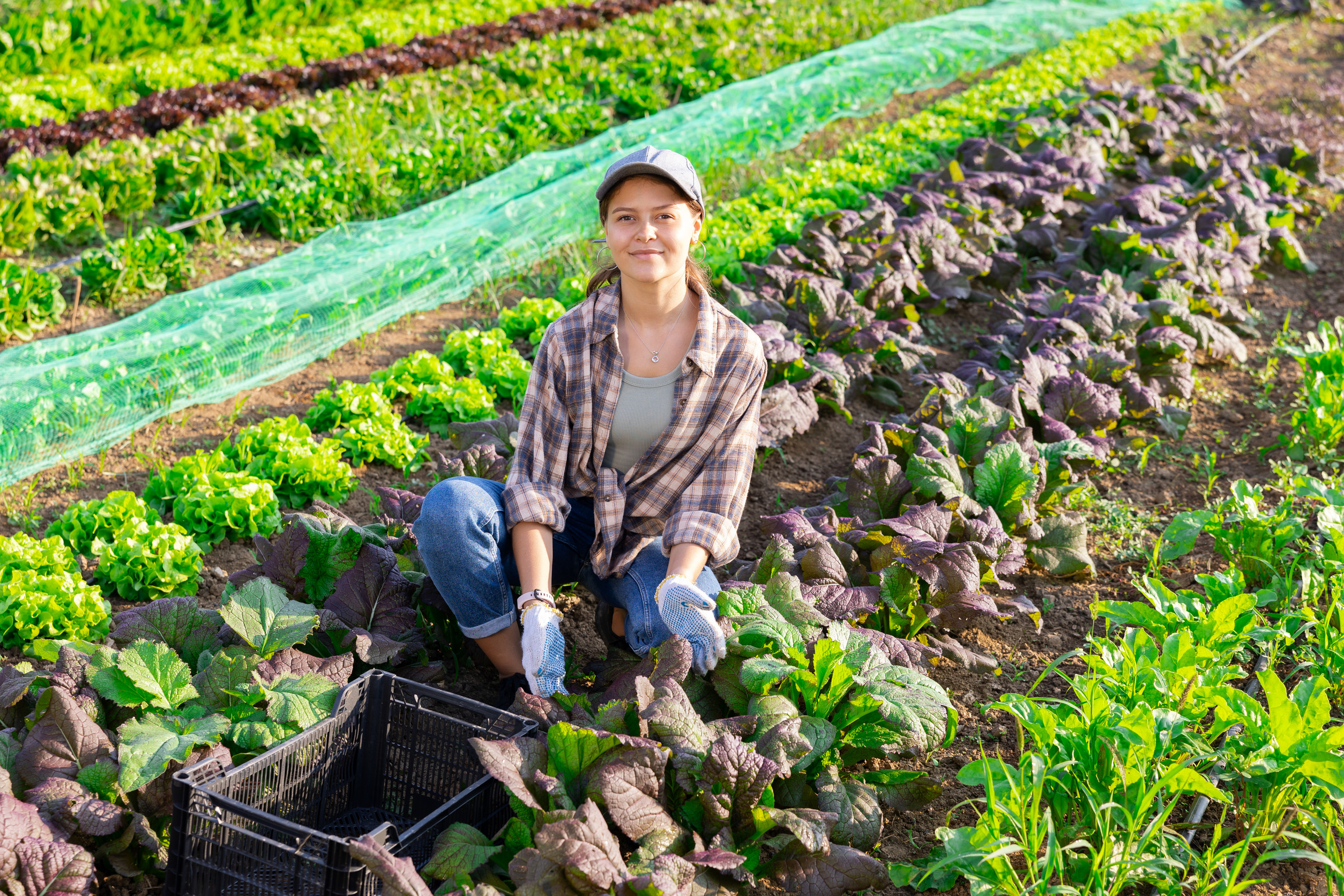
Organic farming practices are designed to be more sustainable and environmentally friendly. By avoiding synthetic chemicals and fertilizers, organic farms tend to promote soil health, reduce pollution of local water supplies, and increase biodiversity. Crop rotation, cover cropping, and composting are common organic practices that help maintain healthy ecosystems and reduce the need for chemical interventions.
So, if you’re concerned about your environmental footprint, choosing organic products is a smart way to make a positive impact.
Organic Food Can Be More Nutritious
There’s an ongoing debate about whether organic food is nutritionally superior to conventional food. Some studies suggest that organic produce may contain higher levels of certain nutrients, such as antioxidants, vitamins, and minerals. However, other studies have found little difference in the nutritional value between organic and non-organic food.
While the overall health benefits may not always be clear-cut, opting for organic could still be a good choice if you’re looking to reduce exposure to harmful pesticides and chemicals.
It’s Better for Wildlife
Organic farming supports healthier ecosystems. Because it avoids synthetic pesticides and fertilizers, organic farming is less harmful to wildlife, including pollinators like bees and butterflies, which are essential to crop production. This creates a safer environment for the creatures that help pollinate plants and keep the soil fertile.
Organic practices also often involve creating habitats for beneficial insects and other wildlife, helping to maintain biodiversity.
Organic Doesn’t Always Mean Locally Grown
While organic foods are often touted as being better for local economies and communities, being organic doesn’t necessarily mean a product is locally grown. Organic certification focuses on how food is produced, not necessarily where it’s produced. So, it’s possible to find organic food grown halfway around the world and transported to your local grocery store.
If supporting local farmers is important to you, always look for additional labels that indicate local sourcing.
Organic Food May Be More Expensive
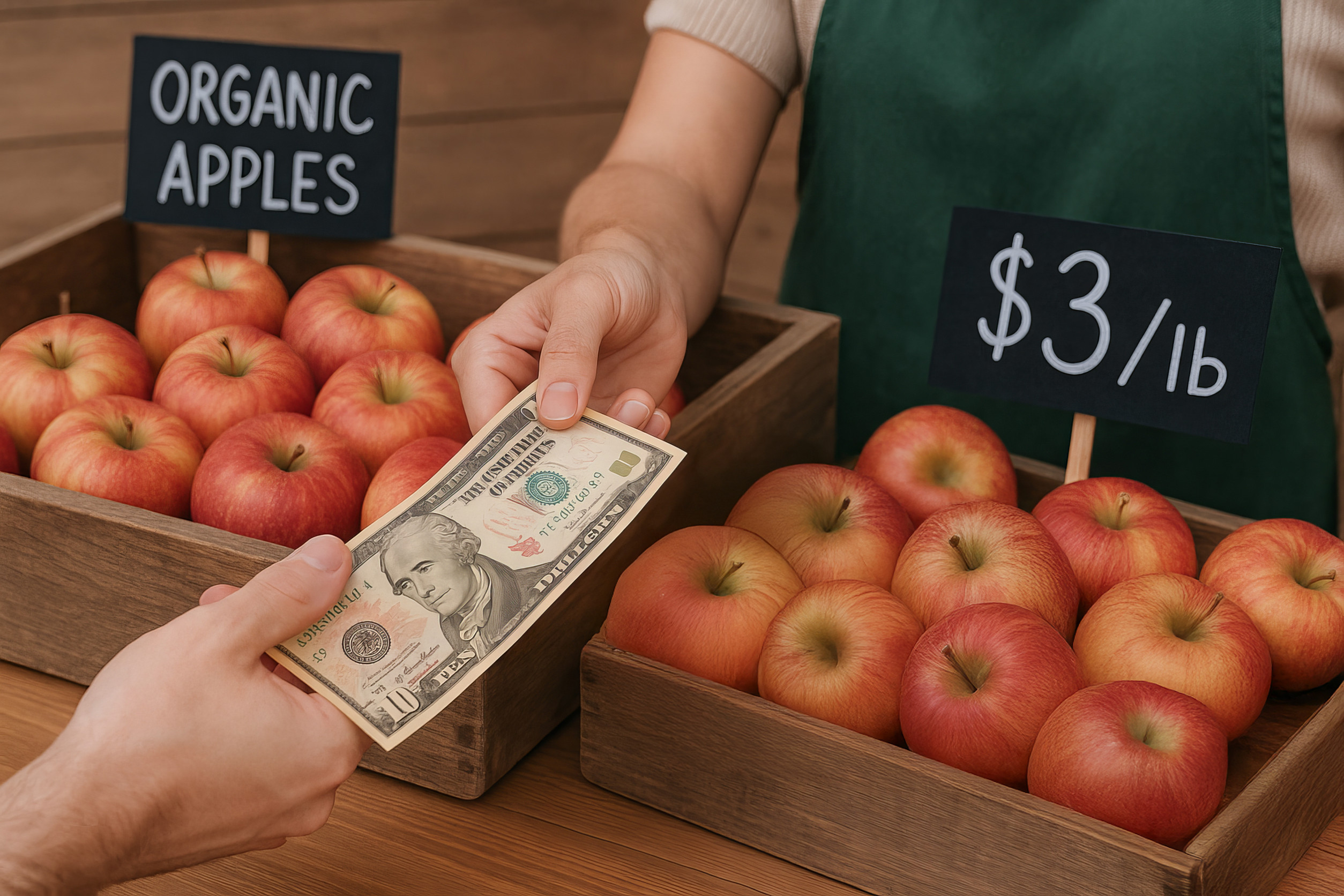
Organic food can be more costly than conventionally grown food. The higher price is due to the more labor-intensive farming practices, lower yields, and the cost of certification. However, many consumers believe that the health and environmental benefits outweigh the extra cost.
If you’re on a budget, prioritizing organic for the “dirty dozen” (the most pesticide-heavy produce) while choosing conventional options for others might be a smart way to strike a balance between quality and cost.
The Organic Label Can Be Confusing

It’s important to remember that not all organic labels are created in the United States. For instance, products labeled as “100% Organic” must meet strict certification standards, while “Organic” (without the 100% label) may contain up to 5% non-organic ingredients. This can make it tricky to understand exactly what you’re buying. To ensure you’re getting the highest quality, it’s essential to look for reputable certification labels, like the USDA Organic seal or other recognized organic certifications in your country.
Final Thoughts
While organic food isn’t perfect, it does have distinct benefits, especially for the environment and for reducing exposure to certain chemicals. By understanding the truths behind organic labels, you can make more informed decisions about what’s best for your health, your wallet, and the planet.
Whether you choose organic or not, the key takeaway is that whole, minimally processed foods, whether organic or conventional, are a crucial part of a balanced, healthy diet.
Read the original Crafting Your Home