7 Top Skin Care Habits to Achieve Radiant, Healthy Skin

Black young woman standing isolated on white background with patches on her face. Girl has her hair wrapped in a towel. Black woman enjoy after body treatment.
Achieving and maintaining radiant, glowing skin requires not only great skincare habits but also a healthy lifestyle.
Achieving and maintaining radiant, glowing skin requires not only a great skincare routine but also avoiding certain habits that can harm your skin’s health.
Many people unknowingly contribute to skin problems by engaging in harmful habits. In this article, we will dive into the bad habits that can dull your complexion and provide actionable tips to help you achieve a luminous, healthy skin tone.
The Importance of Consistent Sunscreen Application
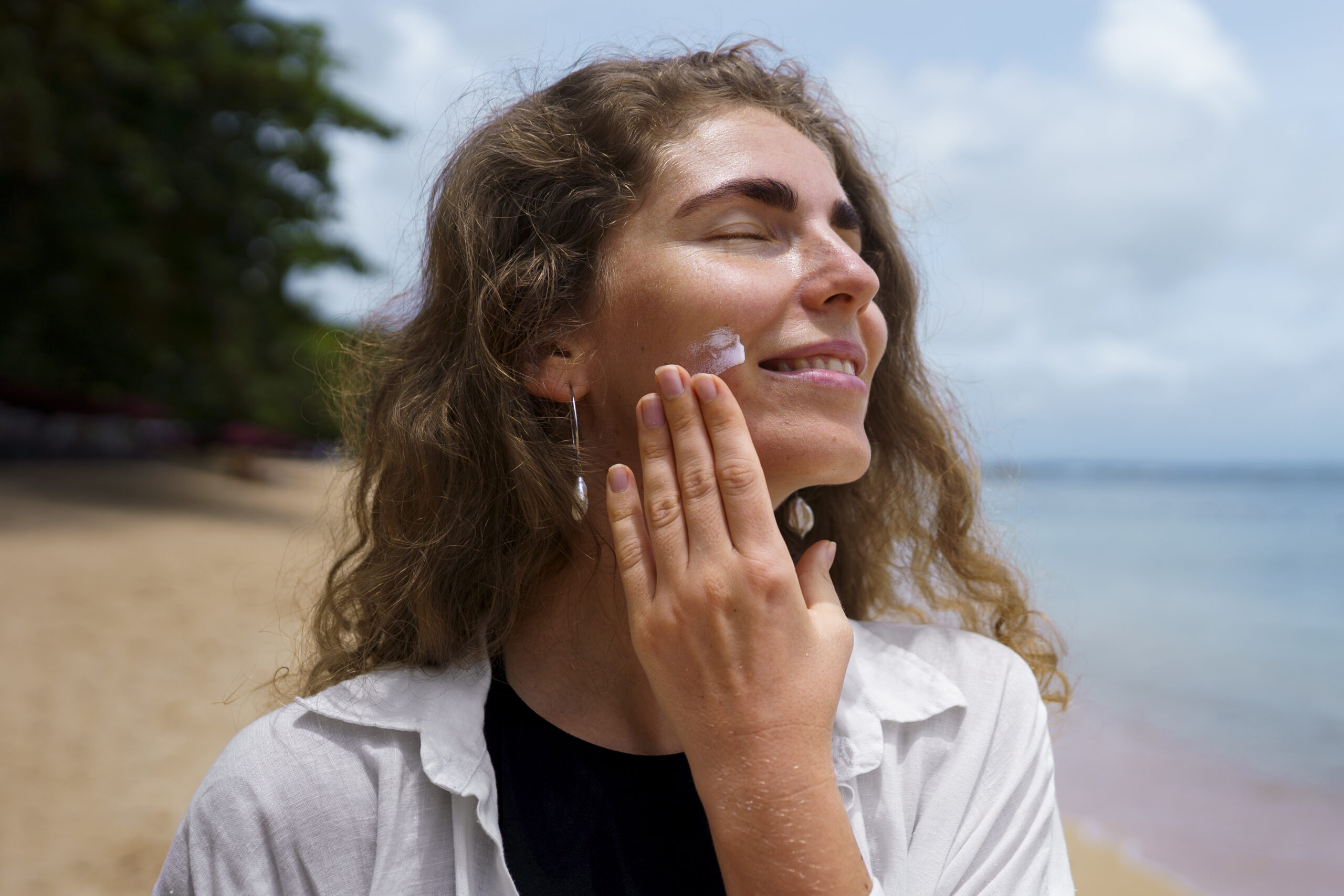
One of the most significant contributors to premature skin aging and the risk of skin cancer is prolonged exposure to harmful UV rays.
Despite the common misconception that UV damage only occurs on sunny days, UV rays are present even when it’s overcast or cold outside. Sun protection should be a year-round commitment, not just a summer necessity.
Why Sunscreen Matters for Radiant Skin
Sunscreen shields your skin from harmful UV radiation, which can lead to sunburn, pigmentation changes, fine lines, wrinkles, and even skin cancer over time.
The key to protecting your skin effectively is to apply sunscreen with a minimum SPF of 30, and to reapply every 2 hours if you are outdoors. For added protection, consider a broad-spectrum sunscreen that shields against both UVA and UVB rays.
How to Properly Apply Sunscreen
Proper sunscreen application is critical. Ensure you cover all exposed skin, including often-missed areas such as the ears, neck, and under the chin. Don’t forget your scalp if you have thinning hair.
The face, which is constantly exposed to the elements, should be a priority when applying SPF.
Maintain Clean and Soft Bed Linen for Skin Health
Your pillowcase could be contributing to your skin issues. Dirty, rough bed linens can transfer impurities, oils, and bacteria from your skin to the pillow, leading to breakouts and irritation.
In addition, coarse fabrics may cause friction, irritating sensitive facial skin while you sleep.
Tips for Cleaner Skin at Bedtime
Switch to pillowcases made from breathable, gentle fabrics like cotton or natural fibers, which are less likely to irritate the skin.
Regularly washing your pillowcases, ideally once a week, can help reduce the transfer of oils and bacteria. Consider using antibacterial pillowcases to reduce the chances of acne flare-ups.
The Role of Diet in Achieving Clear, Radiant Skin
What you consume plays a critical role in your skin’s appearance. A diet high in processed sugars and unhealthy fats can exacerbate skin conditions, such as acne, and can accelerate the aging process.
On the other hand, a balanced diet rich in vegetables, fruits, and whole grains can contribute to clear, glowing skin.
Nutrients That Promote Radiant Skin
Incorporate foods rich in antioxidants, such as berries, leafy greens, and nuts.
These foods help repair skin cells, reduce inflammation, and fight free radicals. Omega-3 fatty acids, found in fish like salmon, also contribute to a glowing complexion by reducing inflammation and promoting skin hydration.
Water for Hydration
Drinking enough water throughout the day is essential for keeping your skin hydrated.
Dehydrated skin can appear dull and more prone to irritation. Aim to drink at least 8 glasses of water a day to maintain moisture balance and support overall skin health.
Never Skip Washing Your Face Before Bed

After a long day, it might be tempting to skip the skincare routine, but failing to properly cleanse your skin before bedtime can lead to clogged pores and breakouts.
Your skin is exposed to pollutants, dirt, and makeup throughout the day, and all of these need to be removed to prevent skin issues from developing overnight.
Why Nighttime Cleansing is Essential
When you skip washing your face, you leave behind makeup residue, dirt, and oil, which can clog your pores and contribute to acne.
At night, your skin is in repair mode, and thoroughly cleansing it ensures it can absorb beneficial products like moisturizers and serums effectively.
Choosing the Right Cleanser
Select a gentle cleanser that matches your skin type. Whether you have oily, dry, or sensitive skin, it’s essential to use a formula that won’t strip your skin of its natural oils.
Avoid harsh soaps or scrubs, as they can irritate your skin and exacerbate dryness.
Avoid Harsh Skin Treatments and Excessive Exfoliation
When dealing with acne or blemishes, it’s natural to want quick results. However, using harsh treatments like excessive exfoliation or squeezing pimples can do more harm than good.
Over-exfoliation can lead to skin sensitivity, pigmentation, and scarring, while picking at pimples can push bacteria deeper into the skin, causing further inflammation and potential scarring.
Gentle Acne Treatments
If you suffer from acne or pimples, opt for gentle treatments such as benzoyl peroxide or salicylic acid, which can help to clear pores without irritating them. Be patient, as acne treatments take time to work.
Additionally, avoid scrubbing your face too harshly, as it can exacerbate existing irritation and lead to further skin damage.
Proper Pimple Care
Rather than popping pimples, apply spot treatments with active ingredients that target acne without irritating the skin.
Keeping the area clean and moisturized is essential for reducing the risk of scarring.
The Impact of Stress on Skin Health
Stress is often overlooked as a skin health factor, but it can significantly impact the appearance and quality of your skin.
High-stress levels trigger the release of cortisol, which can lead to inflammation, breakouts, and dull skin.
Reducing Stress for Healthier Skin
Incorporating stress-reduction techniques such as mindfulness, meditation, yoga, or simply taking a walk can help lower cortisol levels, ultimately benefiting your skin.
Establishing a good work-life balance, getting enough sleep, and engaging in activities that bring you joy are all essential components of stress management that can result in clearer, more radiant skin.
Never Miss Your Beauty Sleep

Your skin undergoes repair and regeneration during sleep, which is why getting adequate rest is crucial for maintaining a youthful, glowing complexion.
Poor sleep can lead to skin problems like dark circles, puffiness, and an overall dull appearance.
Tips for Better Sleep and Skin Health
To ensure your skin has time to repair itself, aim for 7-9 hours of quality sleep each night.
A proper sleep routine, such as limiting screen time before bed, maintaining a comfortable sleeping environment, and avoiding late-night meals, can contribute to better skin health and a more radiant complexion.
Conclusion
Achieving and maintaining radiant skin is not just about following the latest beauty trends or using expensive products. It’s about cultivating healthy habits that protect and nurture your skin from within.
By following the tips outlined in this article, you can significantly improve your skin’s health and appearance. Protecting your skin from UV damage, maintaining a clean, soft sleeping environment, eating a balanced diet, and practicing proper skincare habits are all essential for achieving glowing, beautiful skin.
By making these changes to your routine, you can say goodbye to dull, tired skin and hello to a healthier, more radiant complexion.