7 Things in your home that make everyone think you’re rich

People form first impressions of a space within seconds, and these impressions are influenced by the items present, the arrangement, finishes, lighting, and color-scheme of a room. A 2020 eye-tracking study by Frontiers found that variations in color application significantly changed how ‘luxurious’ a space was perceived.
In the broader context of status signaling, PubMed indicates that luxury consumption (and, by extension, luxury design cues) has been shown to increase perceived competence but reduce warmth in observers. Here are seven things in your home that make everyone think you’re rich.
Statement Lighting Fixtures
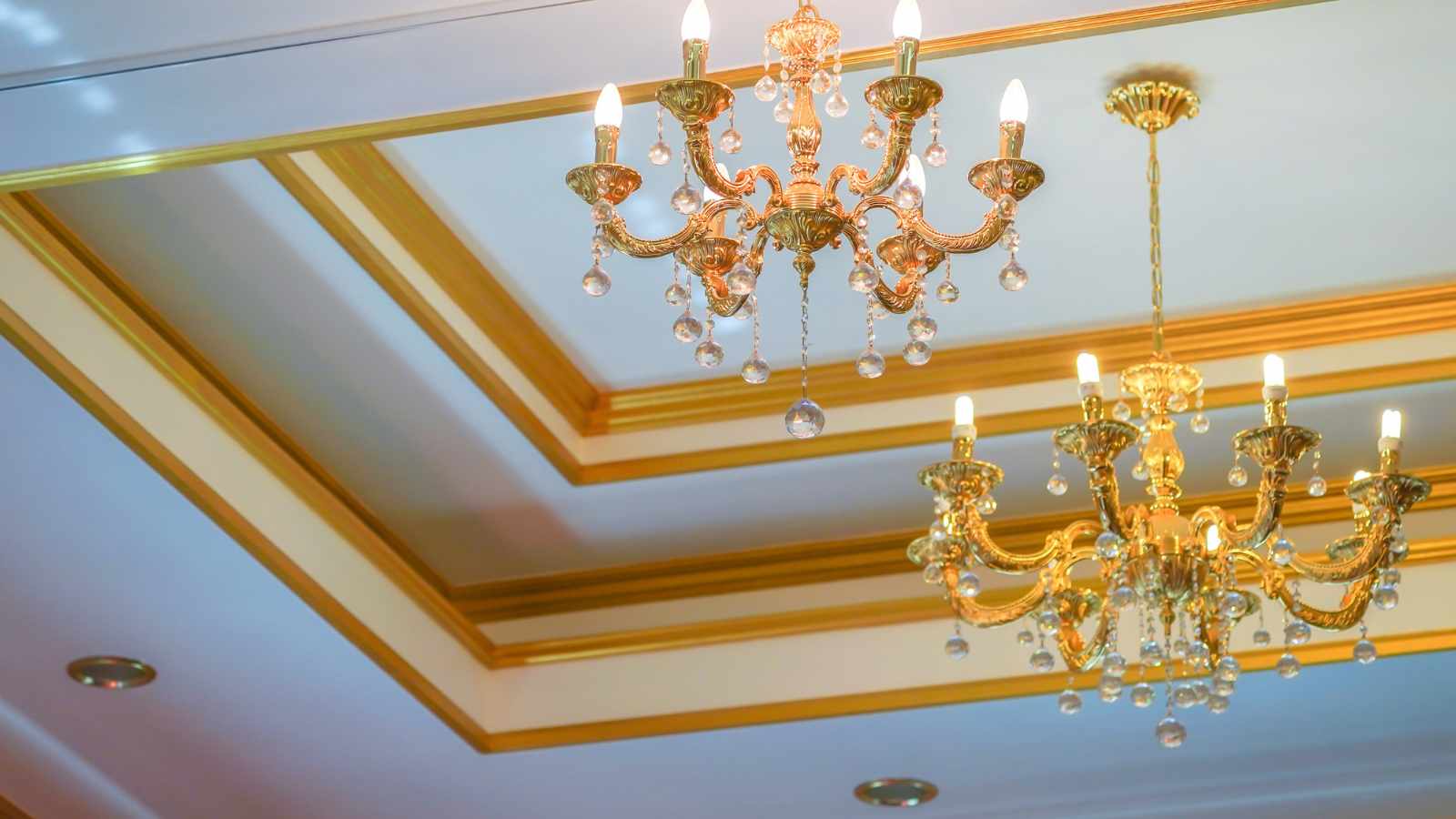
Lighting isn’t just functional; it communicates design intention. High-end homes tend to have layered, thoughtful lighting — ambient, accent, decorative — rather than a single overhead bulb. SAGE Journals’ study of retail lighting found that changes in lighting levels and temperature meaningfully influence perceived luxury atmosphere.
Choose a decorative pendant or chandelier in a key communal space (entry or living room) that acts as a focal point. Then layer with softer ambient lighting (wall sconces, table lamps) to make the space feel intentional and polished. Good lighting materials (brass, glass, or custom finishes) signal investment without needing luxury brand price tags.
Minimalist Furniture with Designer Silhouettes

Furniture with clean lines, high-quality materials, and designer silhouettes conveys sophistication. The idea isn’t necessarily “buy the priciest item,” but rather “choose fewer, better-looking pieces that feel bespoke.” Research from the Wiley Online Library indicates that the minimalist aesthetic is associated with a luxury orientation: a sparse, high-quality environment reflects “quiet luxury” rather than overt brand flaunting.
Select a sofa or armchair with a refined shape (e.g., mid-century inspiration), avoid overly ornate or budget-looking finishes, and keep accessories minimal and well-chosen. The contrast between deliberate furniture choices and surrounding emptiness enhances the feel of quality.
Art and Statement Wall Pieces
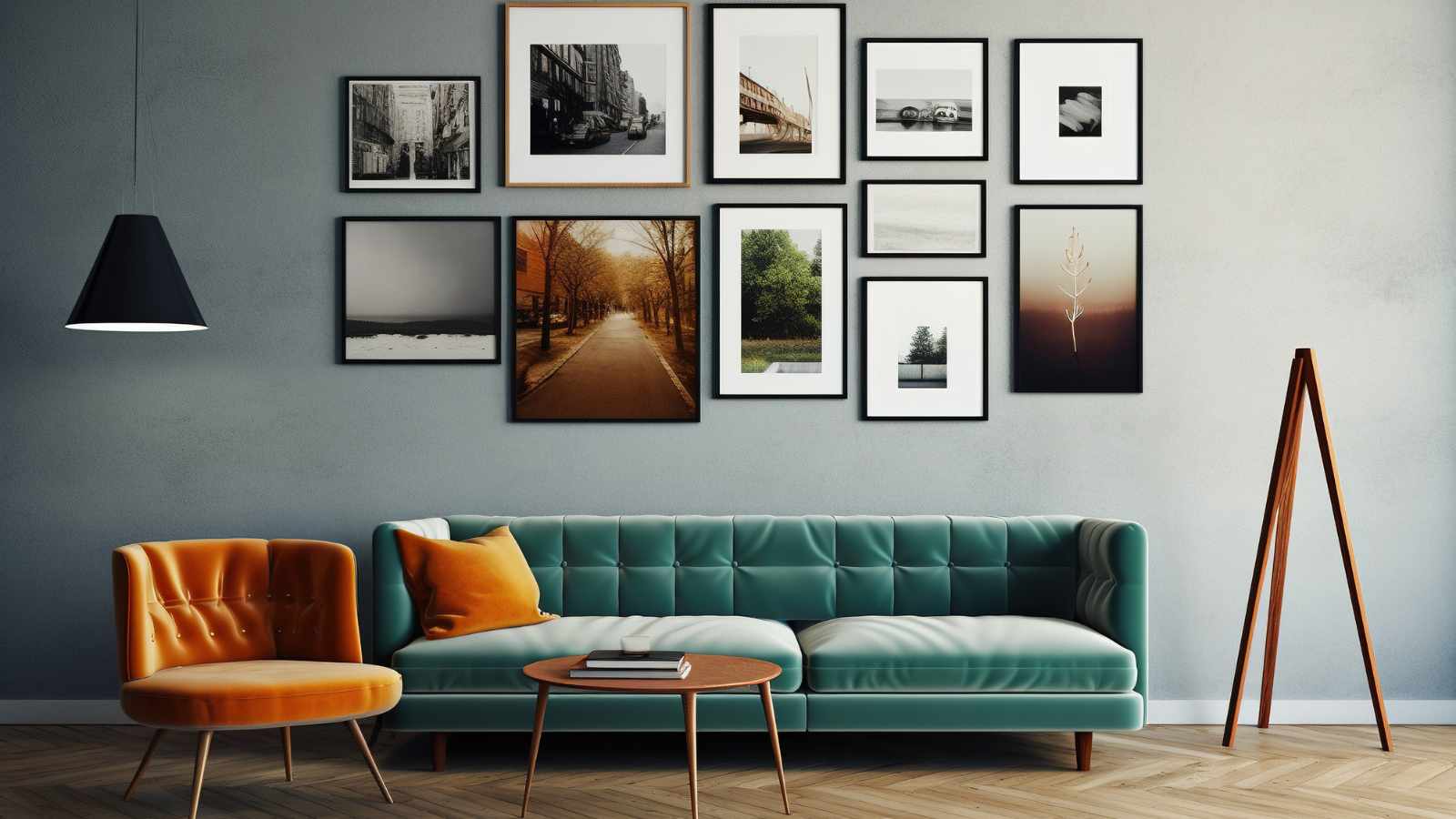
Wall art is more than decoration — it tells a story about aesthetic taste, investment in the home environment, and visual sophistication. MDPI studies on interior décor show that deliberately chosen decorative elements (color, texture, scale) influence first impressions of a space.
Choose one oversized piece or a curated gallery wall that reflects your style, and avoid filling every wall with small items. A focused art strategy suggests intentional design rather than a haphazard “fill every space” look.
Fresh Flowers and Greenery

Plants and natural elements in the home suggest care, investment, and an attention to living environment — all signals that help elevate perception. A systematic review from MDPI found that indoor plants improve positive emotions, reduce negative feelings, and enhance perceived quality of indoor space.
Place a large leafy plant or stylish arrangement of fresh flowers in a central room or entryway. The key is freshness and bloom — not dusty, drooping plants. This signals that the home is maintained and thoughtfully styled.
Signature Home Scents (Candles & Fragrances)

Scent influences perception in subtle but important ways. Sensory design research emphasizes that ambient scent contributes to a sense of richness and care. A home that smells clean, subtle, and pleasant creates an immediate impression of luxury.
Use a single high-quality scented candle or diffuser in a prominent living area, choosing a neutral or sophisticated scent profile (e.g., sandalwood, linen, light citrus). Avoid overpowering or novelty scents, which can undermine the premium feel.
Color Palette Psychology: Neutrals and Metallic Accents

The colors and materials you choose significantly influence how a space is perceived. A 2020 study by ScienceDirect found that color dimensions contribute to how luxurious a hotel room appears. Meanwhile, a broad PMC review on color and psychological functioning notes that the field remains emergent, yet there are consistent links between color schemes and emotional responses.
Build your home palette around neutral tones (creams, greys, taupe, matte black) paired with one metallic accent (brass hardware, bronze detailing) or deep contrast. Avoid overly bright or mismatched colors that dilute the sense of coherence. A cohesive color story suggests professional design, which enhances perceived value.
Clean, Clutter-Free Spaces
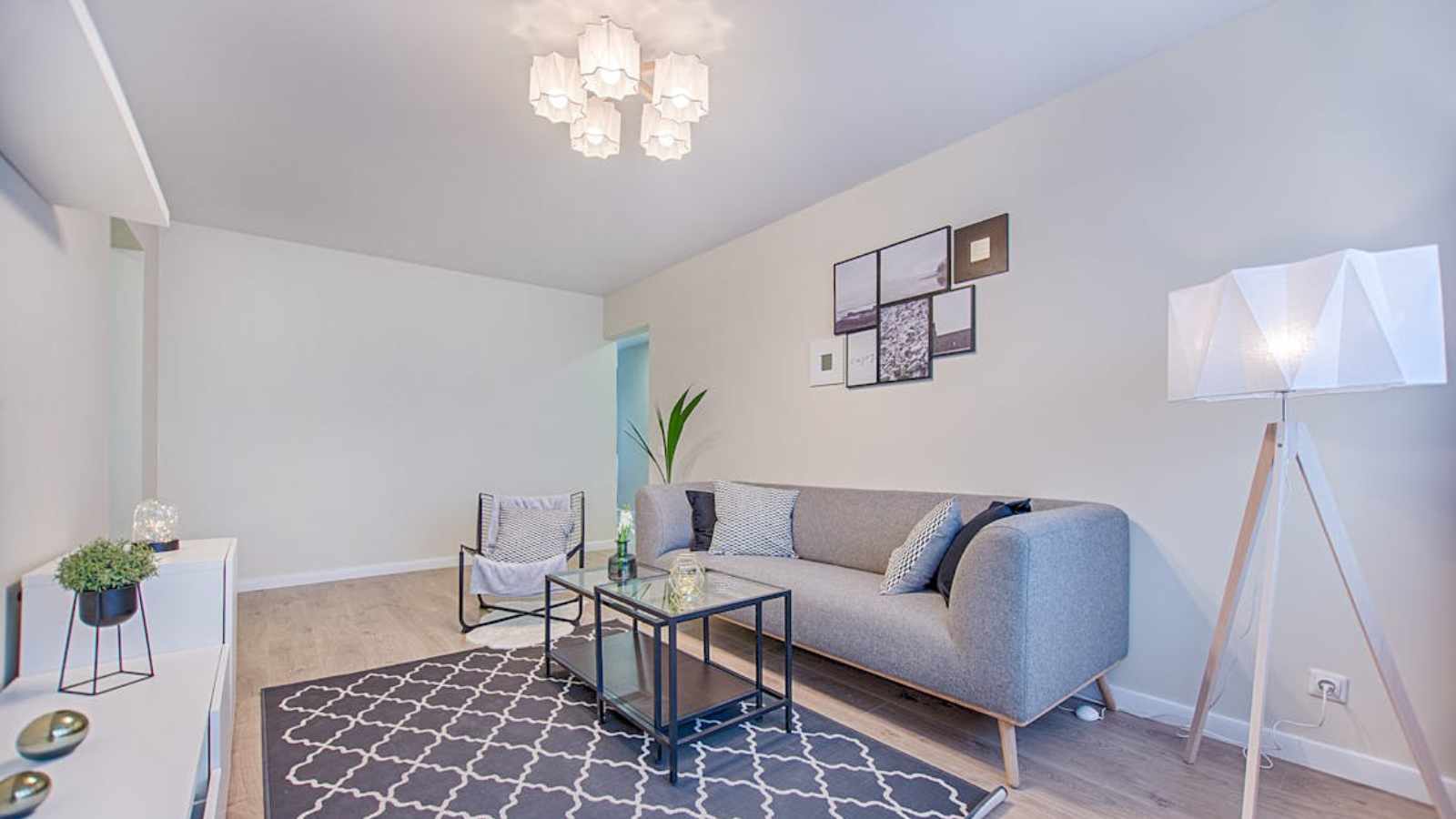
Though perhaps less flashy than chandeliers or art, neatness and spaciousness are consistently associated with high-end interiors. Space, restraint, and absence of visual “noise” speak more loudly than many small decorative items. Research by Columbia Business School on consumer minimalism links possession-paring and aesthetic restraint with higher status signaling.
Adopt a simple storage strategy, keep surfaces clear, and choose one or two focal decorative items rather than many small ones. Allow negative space (empty walls, visible floor, few accessories) — that feeling of “breathing room” often reads as luxury more than crammed style.
Read the original article on Crafting Your Home