7 The Shocking Truth About What High Heels Do to Your Body
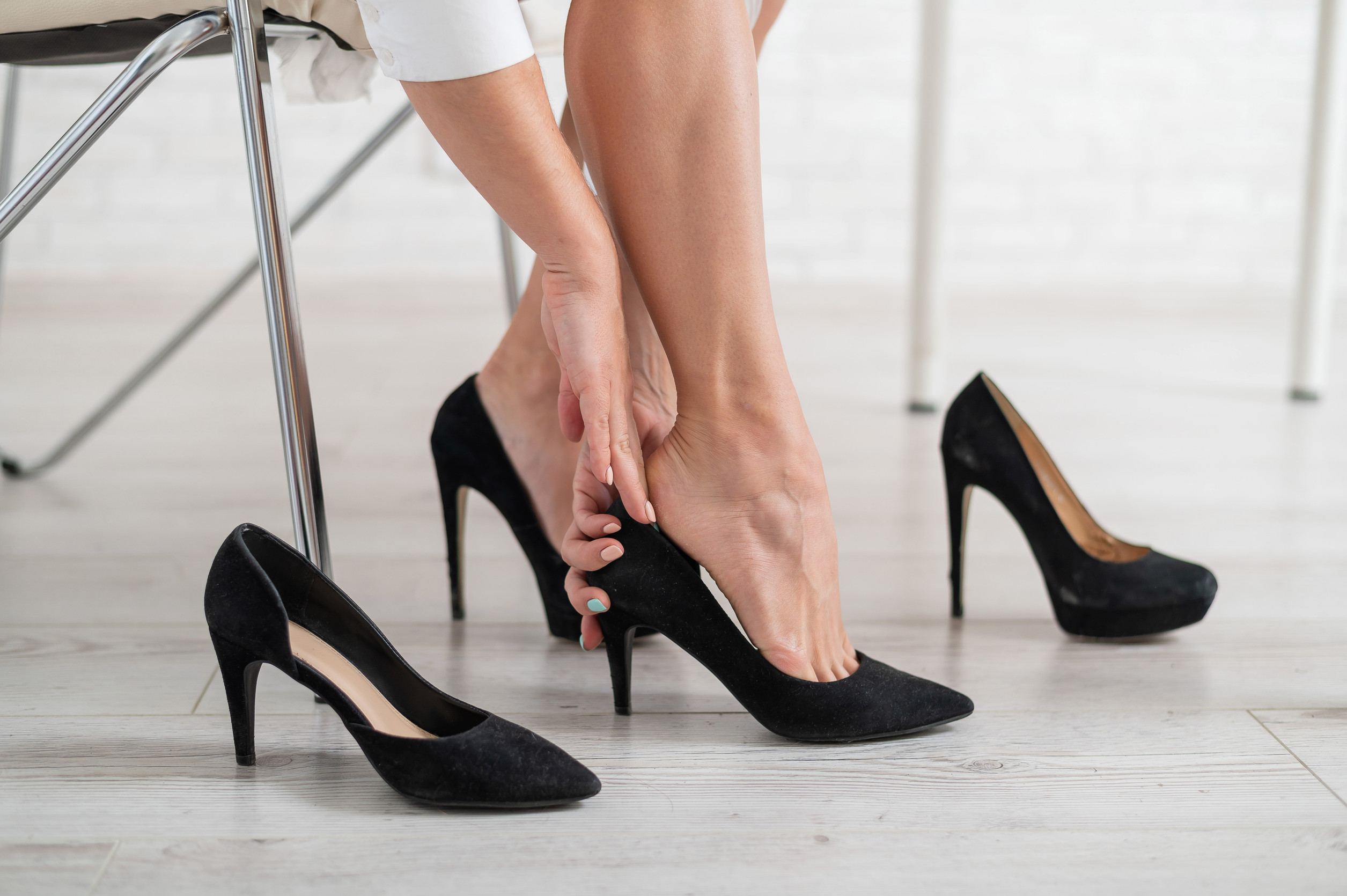
High heels have long been associated with glamour, sophistication, and confidence. From the runway to the office, and even to a night out on the town, these fashion staples seem to elevate not just our stature but also our self-esteem. But while high heels may make us look taller and more poised, the truth is they can wreak havoc on our bodies in ways that most of us never realize.
In this article, we’re uncovering the shocking truth about the impact high heels can have on your body, from your feet to your spine. Brace yourself, because you might never look at those stilettos the same way again.
The Impact on Your Toes
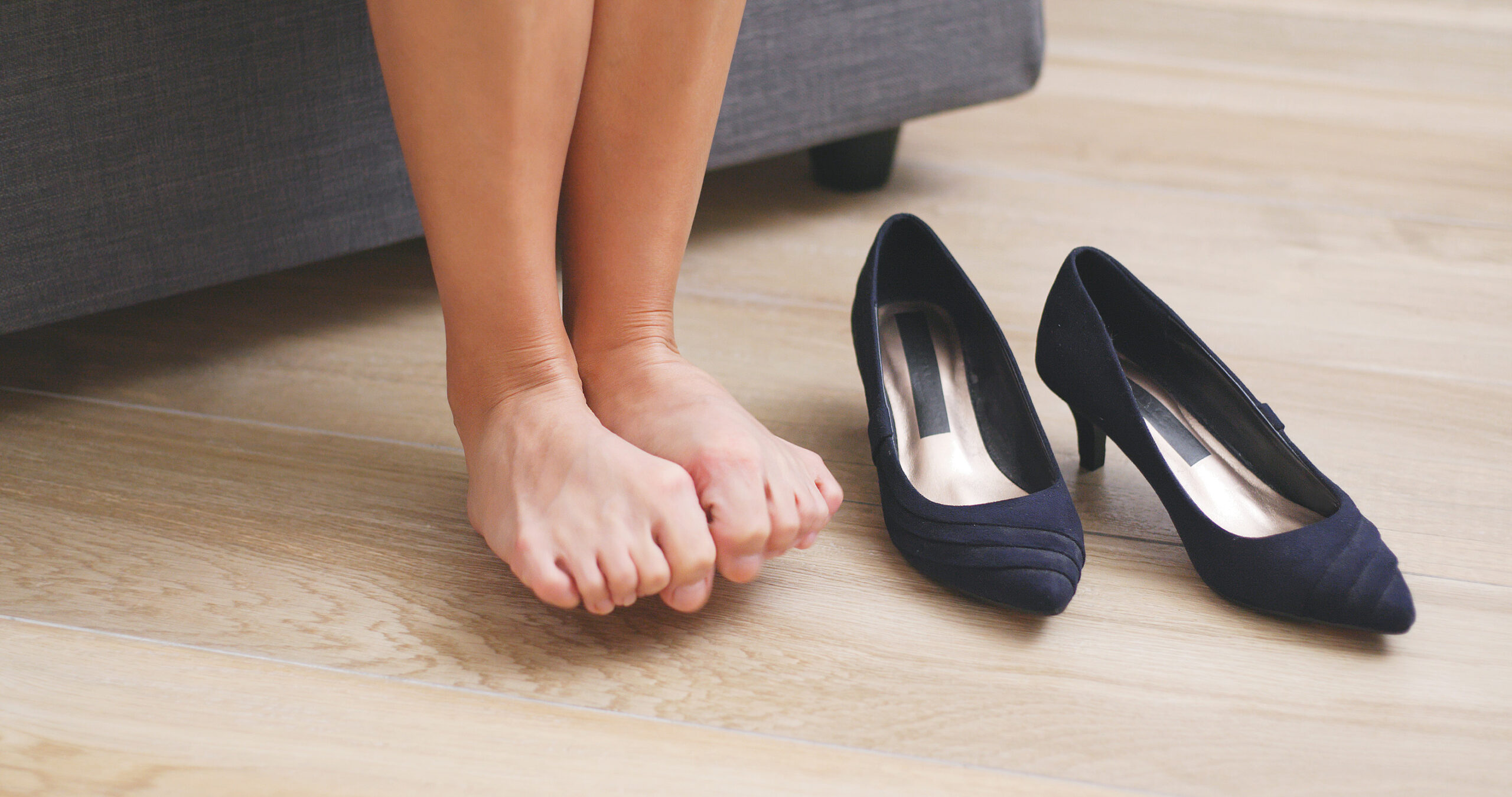
Let’s start from the bottom: your feet. High heels force your toes into an unnatural position. With the weight of your body shifted forward, your toes are squashed together, often resulting in bunions, hammertoes, and corns. These conditions not only cause discomfort but can also lead to chronic pain if not addressed.
Your arch is under constant pressure, too. High heels create an artificial arch by shifting the foot’s natural alignment, leading to issues like plantar fasciitis (inflammation of the tissue connecting your heel to your toes) and metatarsalgia (pain in the ball of the foot). Over time, this can weaken the muscles and ligaments in your feet, making them more susceptible to injury
Spinal Misalignment and Posture Problems
Wearing high heels doesn’t just affect your feet; it has a domino effect on your entire body, particularly your spine. The angle at which your foot sits in a high heel forces your pelvis to tilt forward, which in turn causes an unnatural curve in your lower back. This misalignment leads to an increase in spinal stress, contributing to back pain and discomfort.
If you regularly wear high heels, the muscles in your lower back and legs may become imbalanced. You might experience tightness in your hamstrings and calves, which can lead to poor posture. Over time, these changes in alignment can cause chronic pain and make it harder to stand or sit upright without discomfort.
Knee and Hip Strain

The damage doesn’t stop at your back. High heels also place excessive stress on your knees and hips. When you wear heels, your body compensates for the altered position by shifting more weight onto your knees, which can put pressure on your knee joints and increase the risk of osteoarthritis.
Additionally, the unnatural gait caused by high heels can lead to hip misalignment. The additional strain on the hip joints can cause pain and tightness, and in some cases, may even lead to long-term mobility issues.
A Risk for Injury
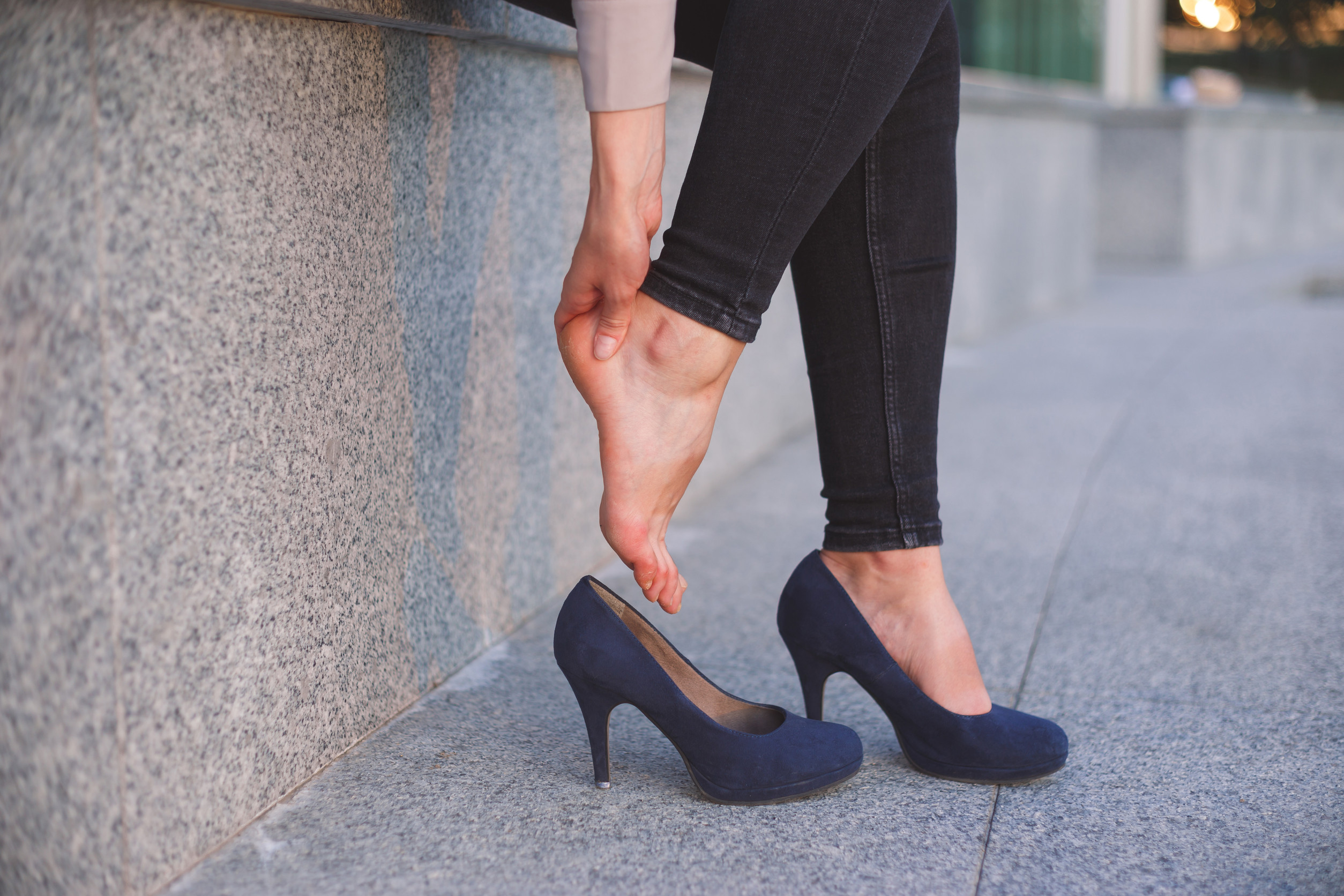
High heels are also notorious for compromising your balance. The smaller the heel, the more unstable your footing becomes, and the higher the likelihood of slipping, tripping, or twisting an ankle. In fact, high heels are among the leading causes of falls among women, particularly among older adults.
Constantly wearing heels can weaken your ankle muscles and reduce your body’s ability to maintain proper balance. This makes you more vulnerable to sprains, fractures, and other injuries, particularly when walking on uneven surfaces or in crowded environments.
Circulation Problems
A lesser-known but equally concerning issue with wearing high heels is the impact on your circulation. High heels can restrict blood flow in your legs, especially when worn for prolonged periods. The pressure on your feet and lower legs can impede proper circulation, leading to conditions like varicose veins and swelling.
Furthermore, standing in high heels for extended periods can increase the risk of blood clots. The constriction caused by the unnatural foot position can slow venous return, contributing to the formation of clots that may eventually lead to more serious health issues.
The Mental Toll
It’s not just your body that’s affected by high heels; the psychological effects are significant as well. Constantly being in pain or discomfort can take a toll on your mental health. When your body is in distress, your mood and energy levels can suffer, leading to feelings of frustration and even anxiety.
In some cases, the stress of wearing high heels can lead to heightened insecurity. Feeling the need to constantly maintain a certain physical appearance can strain your relationship with your body image, ultimately affecting your confidence and self-esteem.
The Compromise
So, are high heels really worth it? The answer is not black-and-white. While they can undoubtedly add a sense of elegance and confidence to your appearance, it’s essential to weigh the costs to your body. The occasional night out in heels might not have a lasting impact, but regularly wearing them can lead to significant physical consequences.
Fortunately, there are steps you can take to reduce the negative effects. Opting for heels with a wider base or a lower height can help distribute weight more evenly. You can also choose shoes with better arch support and cushioning for greater comfort.
Furthermore, alternating between heels and more supportive shoes throughout the day can alleviate some of the pressure on your body.
Conclusion
The truth about high heels is undeniable; they may be stylish, but they come with a price. From painful feet to spinal misalignment and even increased injury risk, high heels put your body through the wringer. However, that doesn’t mean you need to ditch them entirely.
By making more informed footwear choices and being mindful of your body’s needs, you can enjoy both style and comfort. Remember: no heel is worth sacrificing your long-term health. Your body deserves better, and it’s time to start giving it the care it needs.