7 Surprising Foods You Can Feed Backyard Birds (Besides Birdseed)
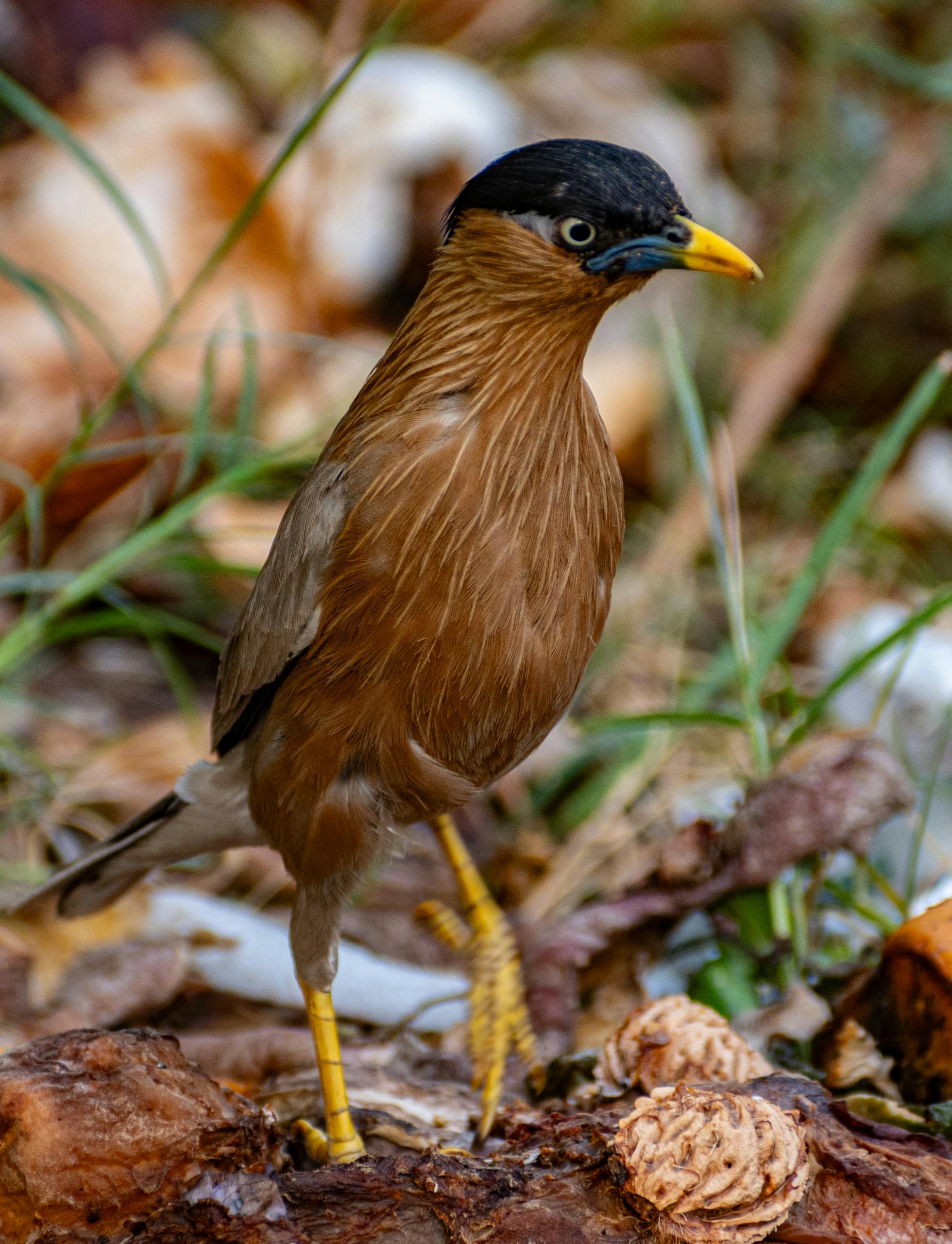
Backyard birds are delightful visitors that can be attracted and nourished with an array of foods that may surprise you. While it’s important to know which foods are safe and beneficial for them, some common kitchen items make for great treats.
These surprising snacks can supplement their natural diet and provide vital nutrients, especially when food resources are scarce. Here are some weird but safe foods you can feed to your backyard birds.
Cheese
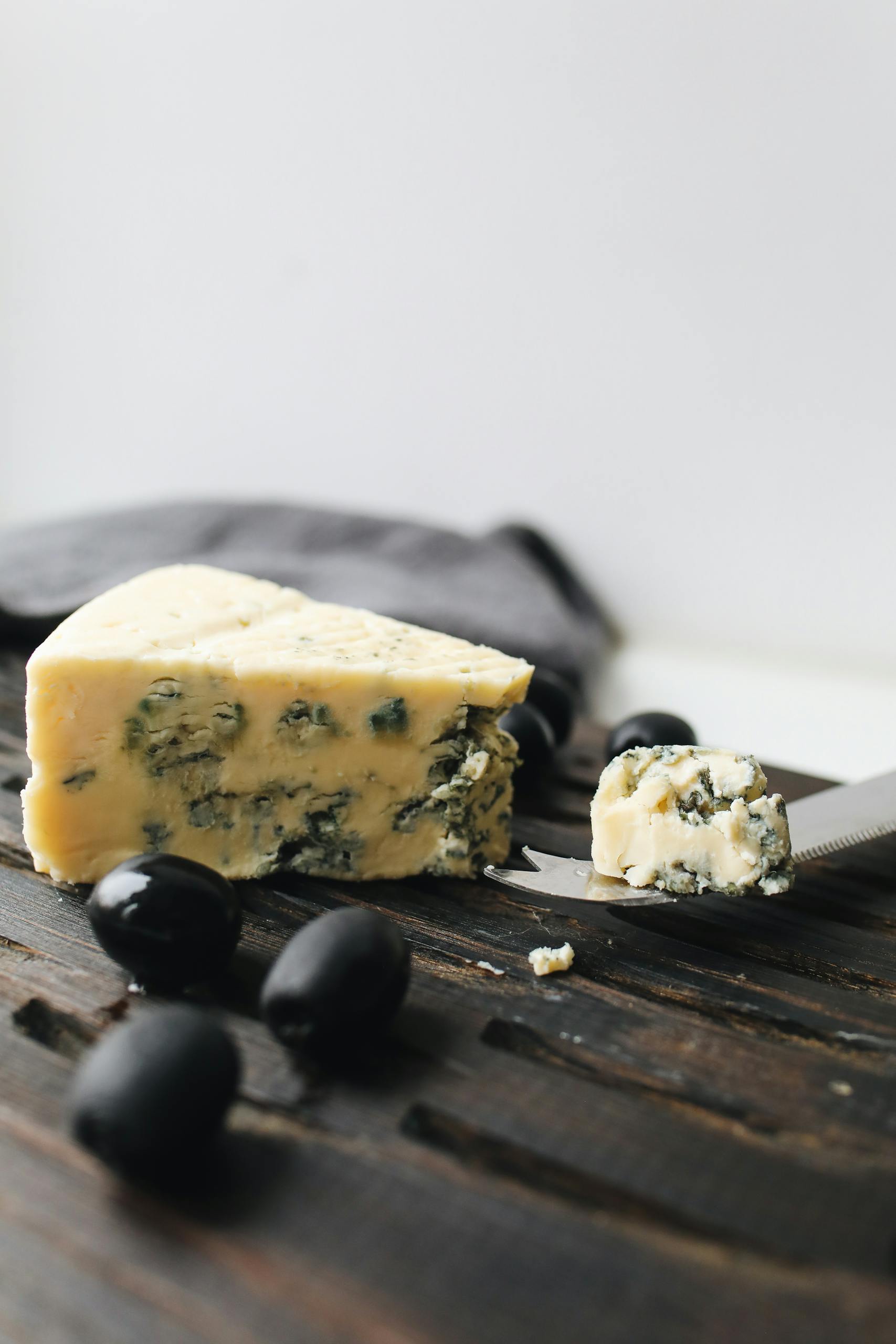
Certain cheeses, when given in moderation, can offer much-needed protein and fat to birds. These nutrients are essential for their energy, especially in colder weather.
Hard cheeses, such as cheddar, Swiss, and Monterey Jack, are bird-friendly choices because they don’t pose the same risks as softer varieties like ricotta or brie.
Soft cheeses can be too sticky, possibly clogging up their beaks or feathers, and can even go bad quickly, which is harmful in warmer weather.
How to Serve Cheese to Birds:
- Grate the cheese to make it easier for the birds to eat.
- Offer small portions to avoid overfeeding.
- Avoid putting out cheese on hot days to prevent it from spoiling.
Melon Seeds
After enjoying your watermelon or cantaloupe, don’t toss the seeds! Melon seeds are a fantastic energy source for birds. Cardinals, blue jays, and chickadees love them, making them an excellent choice for backyard bird feeders.
The seeds provide healthy fats and proteins, which are essential for birds’ survival, particularly during seasonal transitions.
How to Prepare Melon Seeds:
- Rinse off any fruit flesh from the seeds.
- Dry them thoroughly on a paper towel.
- You can even roast them in the oven, but remember to keep them plain, without any added salt or seasoning.
Unsalted Popcorn
Birds, especially ground-feeding species like sparrows and doves, enjoy the energy boost from unsalted popcorn. Popcorn kernels are rich in carbohydrates, providing birds with the energy they need throughout the day. Air-popped popcorn is a great option, as it’s free from harmful oils and artificial flavorings that could upset their digestion.
How to Serve Popcorn to Birds:
- Ensure the popcorn is fully popped with no unpopped kernels.
- Break the popcorn into smaller pieces to accommodate various bird species.
- Avoid using microwave popcorn, as the artificial butter and seasonings can be toxic to birds.
Shredded Coconut
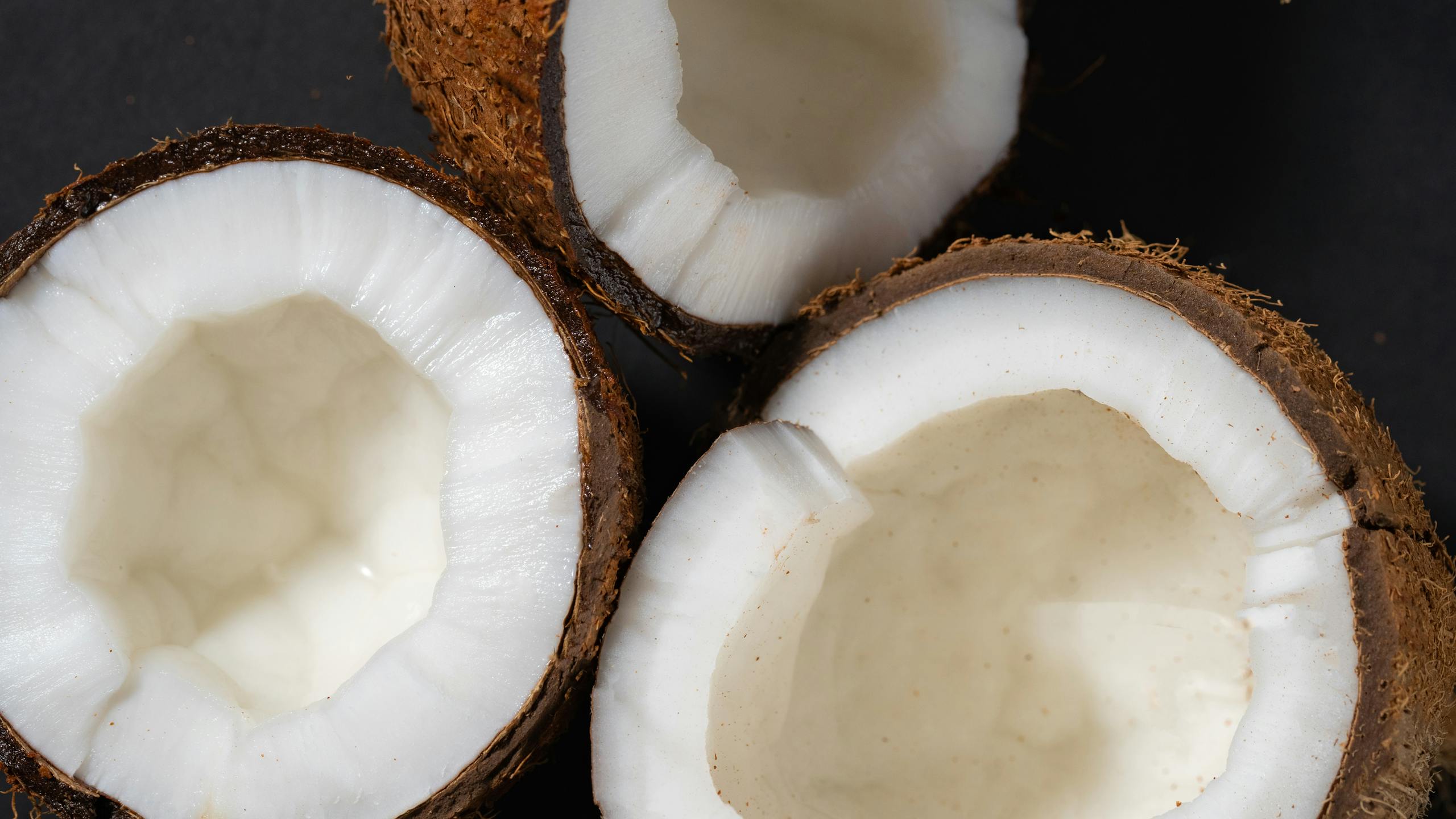
Shredded coconut is an unexpected but highly nutritious snack for many bird species. Woodpeckers, chickadees, and nuthatches love this high-fat food, which provides essential calories, particularly during cold weather when energy demands are higher.
It’s important to offer plain, unsweetened shredded coconut, as sweetened or desiccated coconut can be harmful to birds.
How to Serve Coconut to Birds:
- Choose unsweetened shredded coconut (avoid desiccated coconut).
- Place small amounts of coconut in bird feeders or scatter it on the ground.
- Be cautious with the quantity, as coconut is calorie-dense.
Eggshells
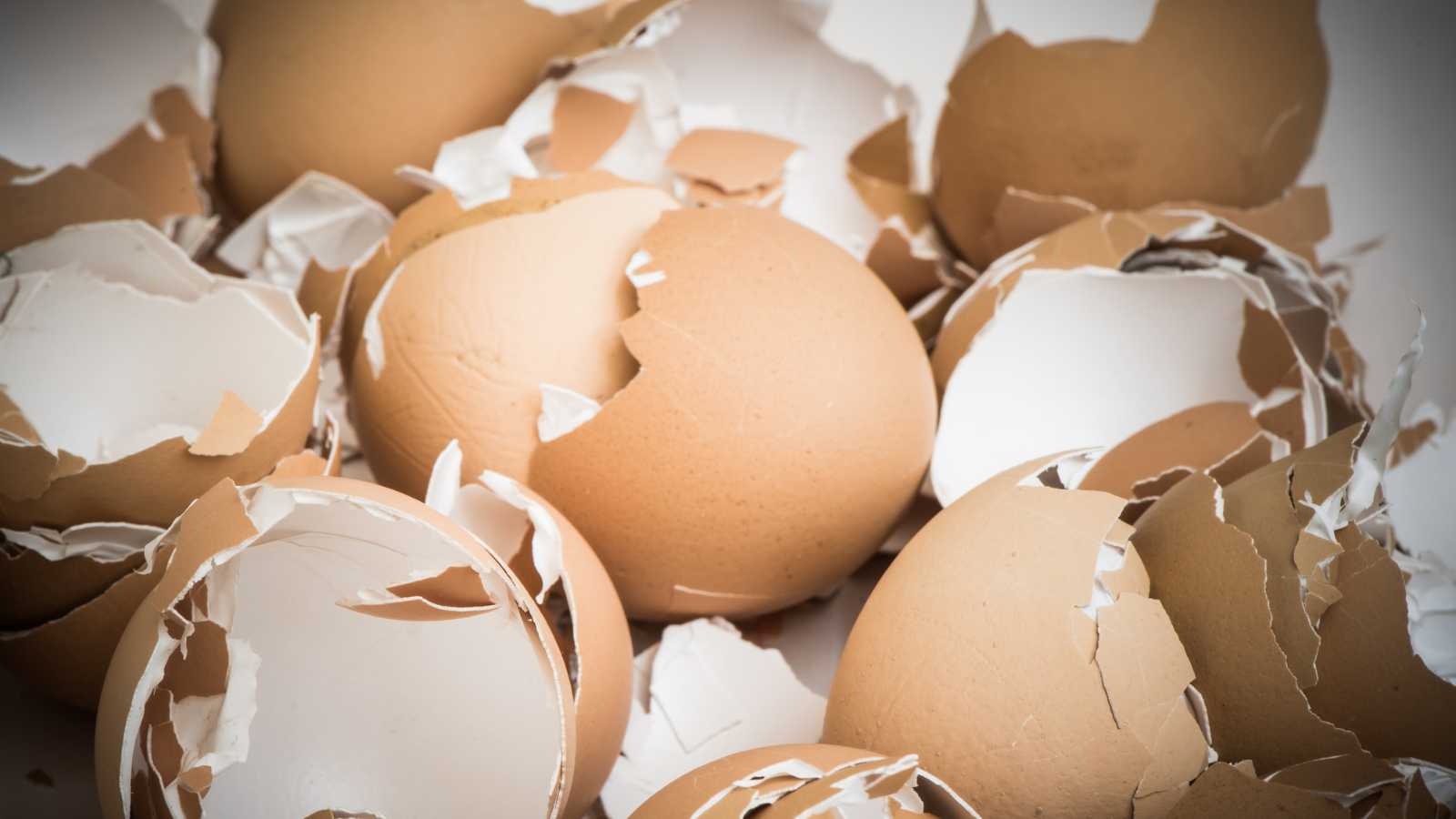
Crushed eggshells provide a dual benefit for birds: they support digestion and contribute vital calcium. Calcium is necessary for birds to maintain strong bones and create healthy eggs.
Robins, sparrows, and finches, in particular, benefit from the calcium in eggshells, which they use to strengthen their skeletal structure and help in egg formation.
How to Serve Eggshells to Birds:
- Crush the eggshells into small, fine pieces using a rolling pin or mortar and pestle.
- Scatter the crushed shells around your bird feeders or on the ground.
- Avoid letting squirrels or other wildlife eat the eggshells, as they don’t require the calcium like birds do.
Conclusion
Feeding backyard birds can be a rewarding experience, but it’s important to remember moderation is key. These surprising kitchen foods, when given properly, can support the health and well-being of your feathered visitors.
By offering these foods in small quantities and ensuring they are safe, you can contribute to a thriving bird community in your backyard.
Read the original article in Crafting Your Home.