7 surprising facts about Black History Month you probably never learned in school

Everything you think you know about February might be wrong. If your education was anything like mine, Black History Month probably felt like a highlight reel of the same three heroes: Dr. King, Rosa Parks, and Harriet Tubman. While those icons are legendary, they represent just a fraction of the story.
Recent surveys reveal a gap in what we’re taught; for instance, a 2024 Pew Research study found that 79% of Black teens want curricula to dig deeper into the legacy of slavery, compared to only 41% of their White peers.
I used to think I had the basics down, but digging into the archives completely changed my perspective. TBH, history is way messier and more interesting than the textbooks admit. Ready to have your mind blown? Here are seven facts that will totally reshape how you see this month.
February wasn’t chosen to be mean

You’ve probably heard the cynical joke: “They gave us the shortest month of the year.” I get the frustration, but the actual reason is strategic, not slighting. Historian Carter G. Woodson, the “Father of Black History,” chose February in 1926 specifically to coincide with the birthdays of Abraham Lincoln (Feb. 12) and Frederick Douglass (Feb. 14).
Black communities were already celebrating these dates long before Woodson came along. He didn’t just pick a random month; he built upon an existing tradition to ensure the community would actually participate. It was a brilliant marketing move, not a consolation prize.
Students, not politicians, created the “month.”
We often assume the government bestowed this observance upon us, but students led the charge. While Woodson started “Negro History Week” in 1926, it didn’t officially expand to a month until 1976 under President Gerald Ford.
However, students at Kent State University were way ahead of the curve, celebrating the first Black History Month in 1970, six years before the feds caught up. President Ford finally acknowledged the movement during the Bicentennial, urging Americans to “seize the opportunity to honor the too-often neglected accomplishments of black Americans”.
The cowboys were likely Black
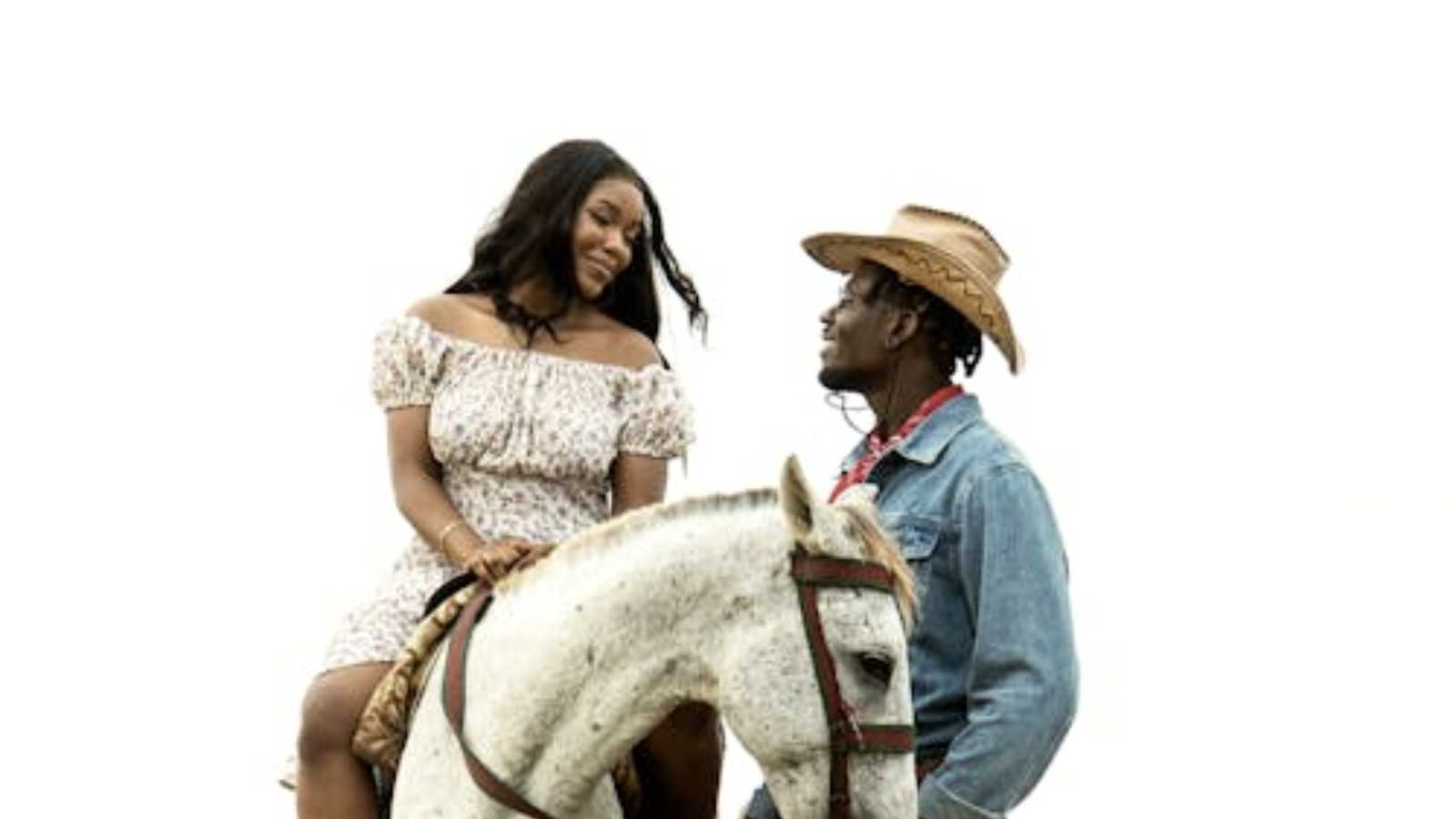
Close your eyes and picture a cowboy. You’re probably seeing John Wayne, right? Hollywood totally whitewashed the Wild West. Historians estimate that one in four cowboys during the late 19th century was Black.
Men like Bass Reeves, a Deputy U.S. Marshal who arrested over 3,000 felons, were the real deal. Many experts even believe Reeves was the actual inspiration for the Lone Ranger. So, next time you watch a western, remember that the “yeehaw agenda” has always been Black.
You can thank an enslaved man for vaccines
This one is wild. We often look to Europe for medical breakthroughs, but the concept of inoculation in America came from Onesimus, an enslaved man in Boston. In 1721, he told Cotton Mather about a centuries-old African practice of rubbing pus from an infected person into an open wound to build immunity.
Despite the medical establishment mocking the idea as “African foolishness,” Dr. Zabdiel Boylston tried it during a smallpox outbreak. The result? Inoculated patients survived at way higher rates, laying the groundwork for modern vaccinations.
It’s not February everywhere

If you travel to the UK, don’t expect BHM celebrations in February. Across the pond, they celebrate in October. Why the switch? Organizers in the UK chose October because it aligns with the start of the academic year and the African harvest season, symbolizing a time of plenty and fresh starts.
It’s a fascinating reminder that Black history isn’t a monolith; it shifts based on where you are in the diaspora. Canada joins the US in observing it in February and officially recognizes it in 1995.
The “Black National Anthem” started as a poem
You might know “Lift Every Voice and Sing” as the Black National Anthem, but did you know it started as a poem for a school party? James Weldon Johnson wrote it in 1900 for a celebration of Lincoln’s birthday at a segregated school in Florida.
His brother, J. Rosamond Johnson, later set it to music. The NAACP adopted it as their official song in 1919, dubbing it the “Negro National Anthem”. It’s not just a song; it’s a century-old prayer for resilience that started in a classroom.
Every year has a specific theme
I honestly thought the theme every year was just “Black History,” but nope! Since 1928, the Association for the Study of African American Life and History (ASALH) has designated a specific annual theme. For example, 2024 was about “African Americans and the Arts,” and the 2026 theme will be “A Century of Black History Commemorations” to mark the 100th anniversary.
These themes help focus the conversation so we aren’t just repeating the same three bios every year. It keeps the history living, breathing, and relevant to current trends.
Key Takeaway

History is so much cooler when you dig past the surface level. From the 1-in-4 statistic about Black cowboys to the African roots of modern medicine, these facts prove that Black history is American history, complex, surprising, and everywhere. IMO, we should keep this energy all year round, not just in February.
Read the Original Article on Crafting Your Home.