7 Mental Health Tips for Anxious Millennials

Mental health is a hot topic these days, especially among millennials navigating a world full of challenges, from skyrocketing student loan debt to job insecurity and the never-ending pressure of social media. If you’re feeling overwhelmed or anxious, you’re definitely not alone. Anxiety can sneak up on anyone, but understanding how to manage it can make all the difference.
Here are 7 mental health tips to help anxious millennials regain control and find balance in their lives.
Take Breaks from Social Media
It’s easy to get caught in the social media trap, scrolling endlessly through posts that highlight the best of everyone else’s lives while yours feels like it’s in chaos. The constant comparison can trigger anxiety, especially if you feel like you’re not measuring up. Set boundaries for yourself.
Try taking a day, or even a few hours, off social media every week to reconnect with yourself and the real world around you. You’ll be surprised at how much clearer your mind feels when you step away from the constant flood of information and unrealistic expectations.
Practice Mindfulness and Meditation
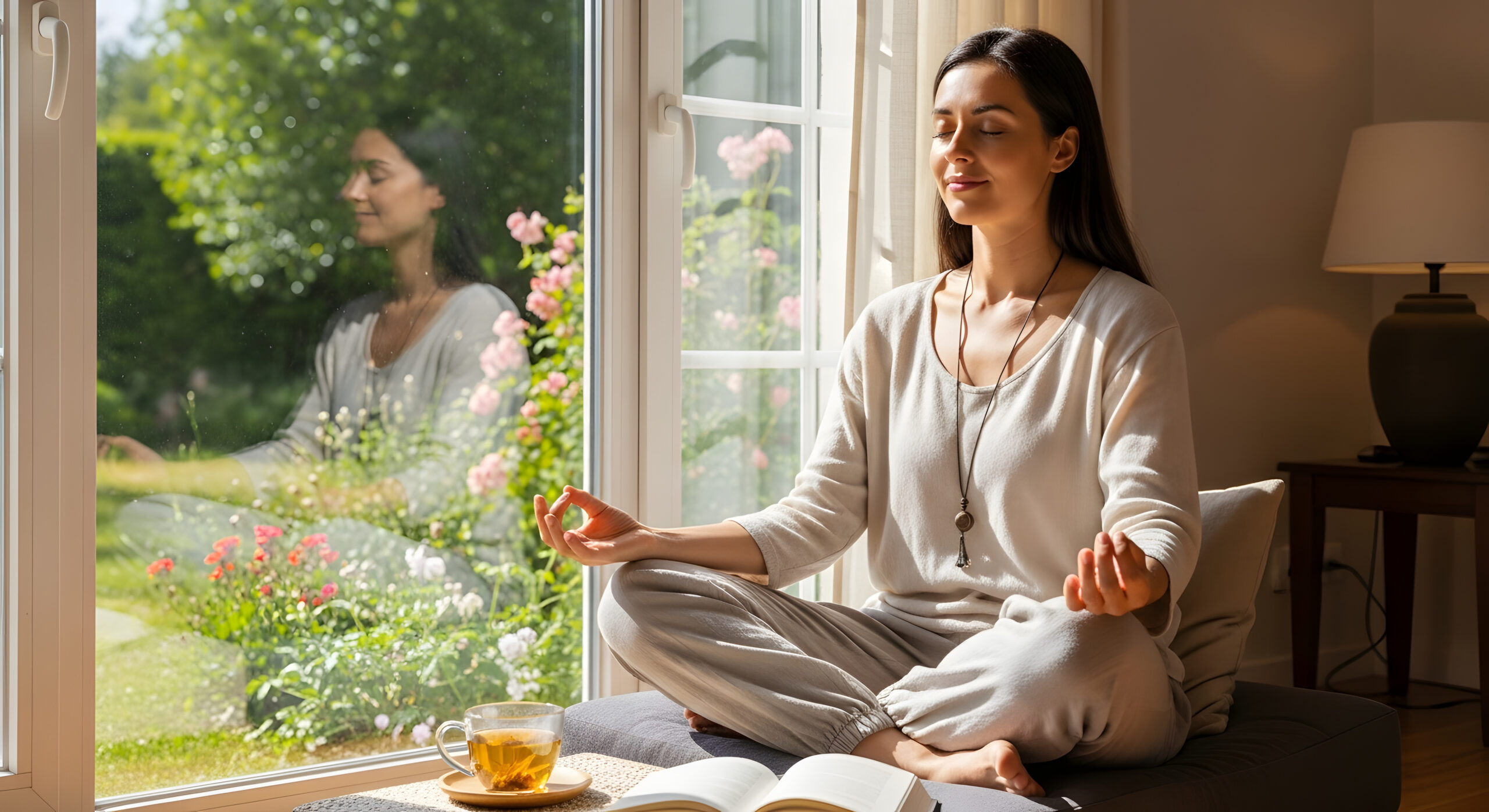
Anxiety tends to live in the future, in the “what-ifs” and the fear of what might go wrong. Mindfulness brings you back to the present moment, helping you focus on what’s happening right here, right now. Meditation can be an excellent tool for easing racing thoughts.
Apps like Calm or Headspace can guide you through short meditation sessions that take only a few minutes but make a significant difference in your mental clarity. Start small, and over time, mindfulness can help you create a sense of calm in your busy life.
Exercise Regularly

Physical health and mental health are more connected than many realize. Regular exercise releases endorphins, those “feel-good” chemicals that can help lower stress and anxiety levels. You don’t have to run a marathon or join a gym to reap the benefits.
A simple walk in nature, a short yoga session, or even dancing around your room can lift your mood and boost your mental health. Find a form of exercise you enjoy and commit to doing it regularly, even if it’s just for 20 minutes a day.
Embrace Imperfection
Perfectionism is a significant source of stress and anxiety for many millennials. The pressure to constantly achieve and present a flawless image (especially on social media) can weigh heavily on your mental health. The truth is, life isn’t perfect, and that’s okay.
Embrace your imperfections, both in yourself and in others. Accepting that mistakes happen and setbacks are part of the journey can take a massive load off your shoulders. Remember: growth occurs in the messy moments, not the perfect ones.
Reach Out for Support

Sometimes, the best way to fight anxiety is to talk about it. You might feel like you’re the only one struggling, but trust me, you’re not. Reach out to friends, family, or a therapist for support and guidance.
Talking through your feelings can help you process what’s going on in your mind and feel seen and heard. If therapy feels financially out of reach, look into low-cost or sliding-scale options, or even support groups that can offer support and understanding.
Set Realistic Expectations
In a world that demands constant productivity, millennials often push themselves to do it all: work hard, hustle, stay social, keep learning, and more. But this can quickly lead to burnout and anxiety. It’s important to be kind to yourself and set realistic expectations.
You don’t need to be perfect, and you don’t need to do everything at once. Break tasks into smaller, manageable steps, and give yourself credit for every little win. Setting boundaries is also crucial learn to say no when your plate is full.
Prioritize Sleep

Lack of sleep can amplify anxiety and make it even harder to cope with stress. If you’re struggling to manage your anxiety, make sleep a top priority. Try to establish a bedtime routine that helps signal to your body it’s time to wind down.
This might include reading a book, practicing deep breathing, or drinking a calming tea. Turn off screens at least 30 minutes before bed to prevent blue light from interfering with your sleep cycle. The more rest you get, the better equipped you’ll be to handle the challenges of the day.
Conclusion
Anxiety might feel like an uphill battle, but you don’t have to face it alone. By implementing these mental health tips, you can begin to take control of your anxiety and create healthier habits that will help you manage stress more effectively.
It’s about finding balance, prioritizing your well-being, and reminding yourself that it’s okay not to have it all figured out. Small steps can lead to significant changes, and your mental health journey is worth every bit of effort. Take a deep breath, you’ve got this.
Read the original Crafting Your Home