7 Iconic Foods That Lost Their Charm to Overproduction
In the world of culinary excellence, certain foods once held a mystique, rarity, and allure, making them the pinnacle of indulgence. However, over the years, several of these foods have undergone a transformation. What was once a rare treat is now in mass production, diluting the very essence that made it special.
This shift has affected not only the quality of these foods but also the connection consumers once had with them. As the food industry evolves and consumer demand grows, many once-cherished ingredients have entered the mainstream, often at the expense of their original distinction.
Let’s explore seven iconic foods that have lost their prestige due to overproduction.
Truffles
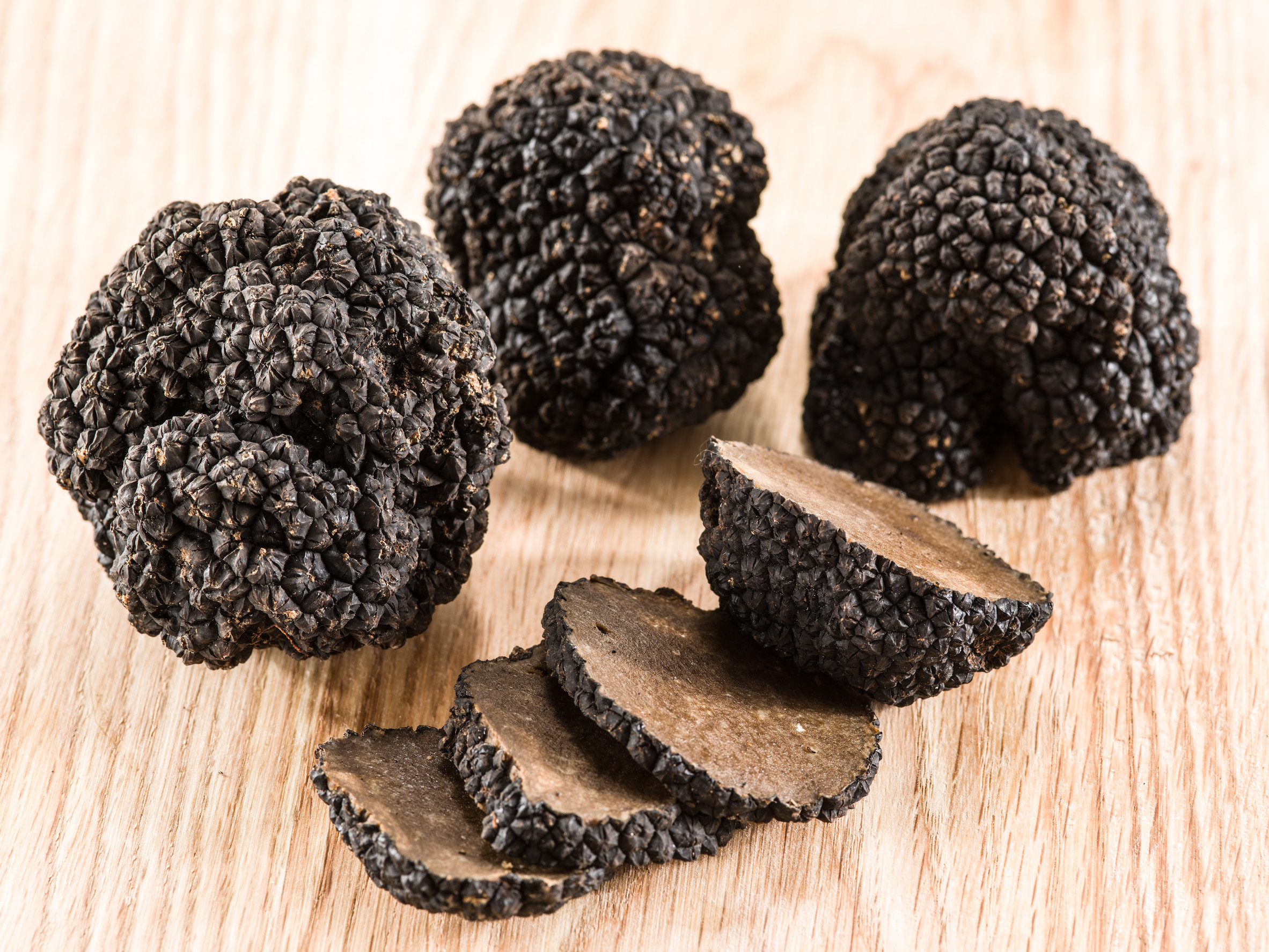
Truffles, once considered the gold standard of fine dining, are now being grown in abundance. Traditionally, these rare fungi were foraged in Europe’s forests, making them highly sought after and expensive. Their deep, earthy flavor and distinct aroma were prized in gourmet kitchens.
While truffle farming has made these elusive fungi more accessible, the oversupply has lowered their value.
Saffron
Saffron has long been revered as the world’s most expensive spice, prized for its delicate flavor and vibrant color. Derived from the stigma of the Crocus sativus flower, saffron requires painstaking hand-harvesting, making it both rare and valuable. However, as the global demand for saffron has surged, countries like Iran and India have increased production, leading to an oversupply.
Avocados
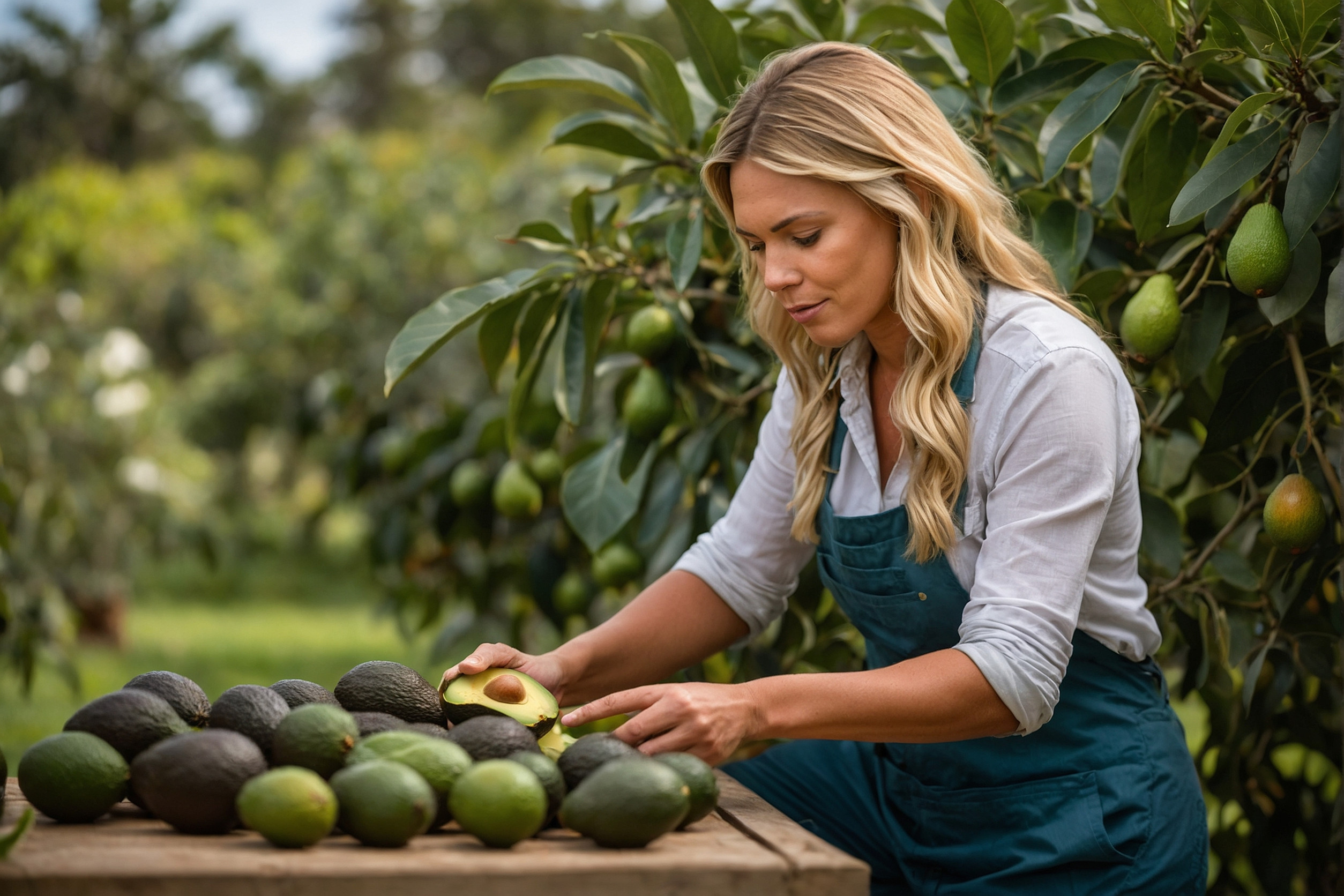
Avocados, once considered a niche ingredient in gourmet dishes, have become a household staple. Thanks to the rise of avocado toast and a growing health-conscious movement, the demand for this creamy, nutrient-packed fruit has skyrocketed.
While this has made avocados more accessible to the masses, it has also led to large-scale farming practices, particularly in Mexico, where avocado orchards have expanded rapidly. This demand has sparked environmental concerns, including deforestation and water use.
Lobster
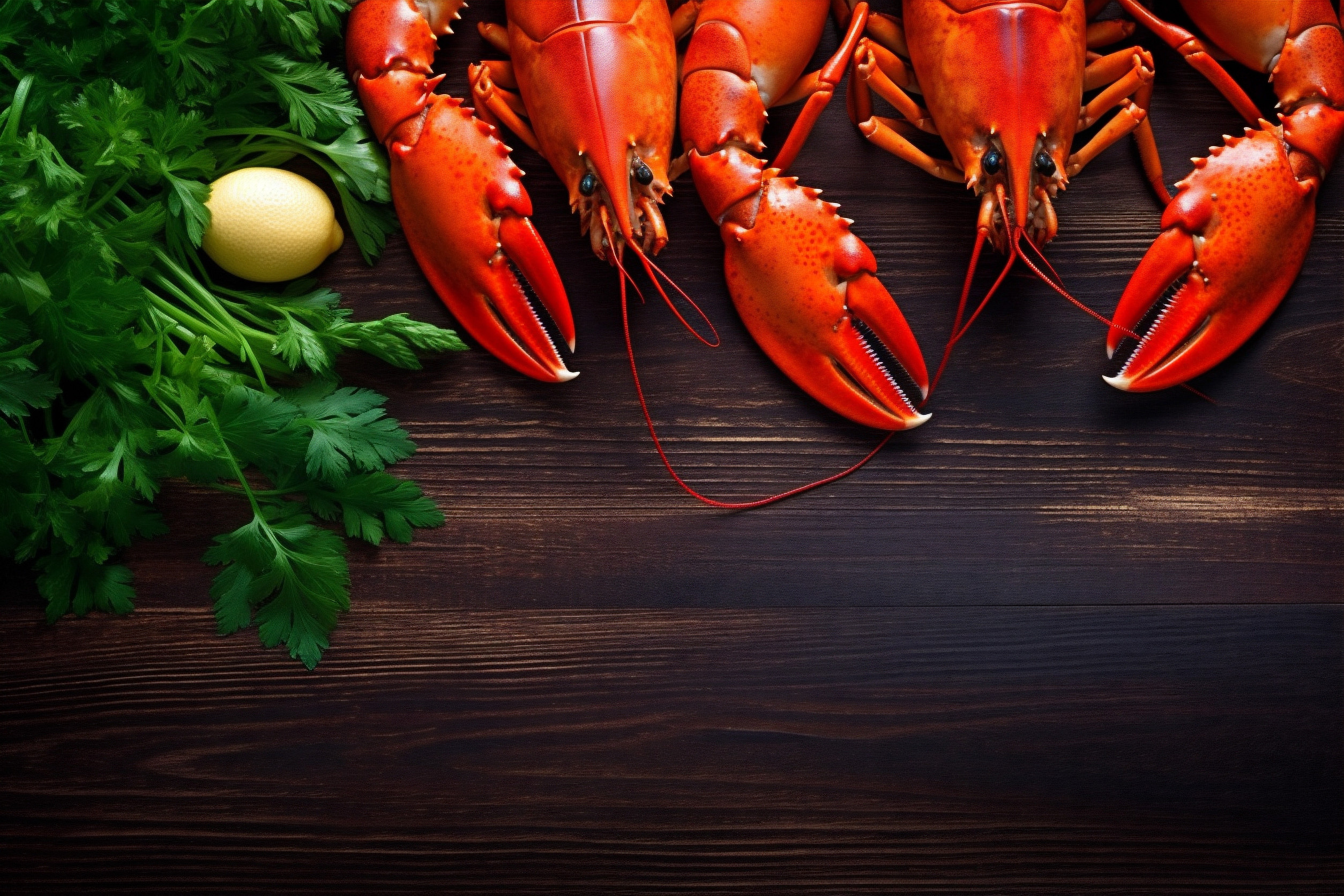
Lobster has undergone a dramatic transformation in its culinary status. In the past, lobster was considered a poor man’s food in coastal communities, often consumed by working-class families. Over time, however, it became synonymous with luxury dining, gracing the tables of high-end restaurants at exorbitant prices.
Organic Produce

Organic produce was once celebrated for its health benefits and its connection to ethical farming practices. Consumers valued organic products for their purity, as they are free of synthetic pesticides and fertilizers. As demand for organic goods grew, large-scale farms began using the “organic” label even though they employed conventional farming methods.
Craft Beer
The craft beer revolution emerged as a response to the dominance of large beer corporations, with small brewers emphasizing unique flavors, local ingredients, and artisanal brewing techniques. This movement brought forth a renaissance in the beer world, with craft breweries producing distinctive beers that challenged the status quo.
However, as the craft beer industry boomed, thousands of new breweries entered the market. This surge in production led to market saturation, with many brews losing their individuality. Some craft beers, now mass-produced, have lost the innovative edge that once made them special.
Specialty Coffee
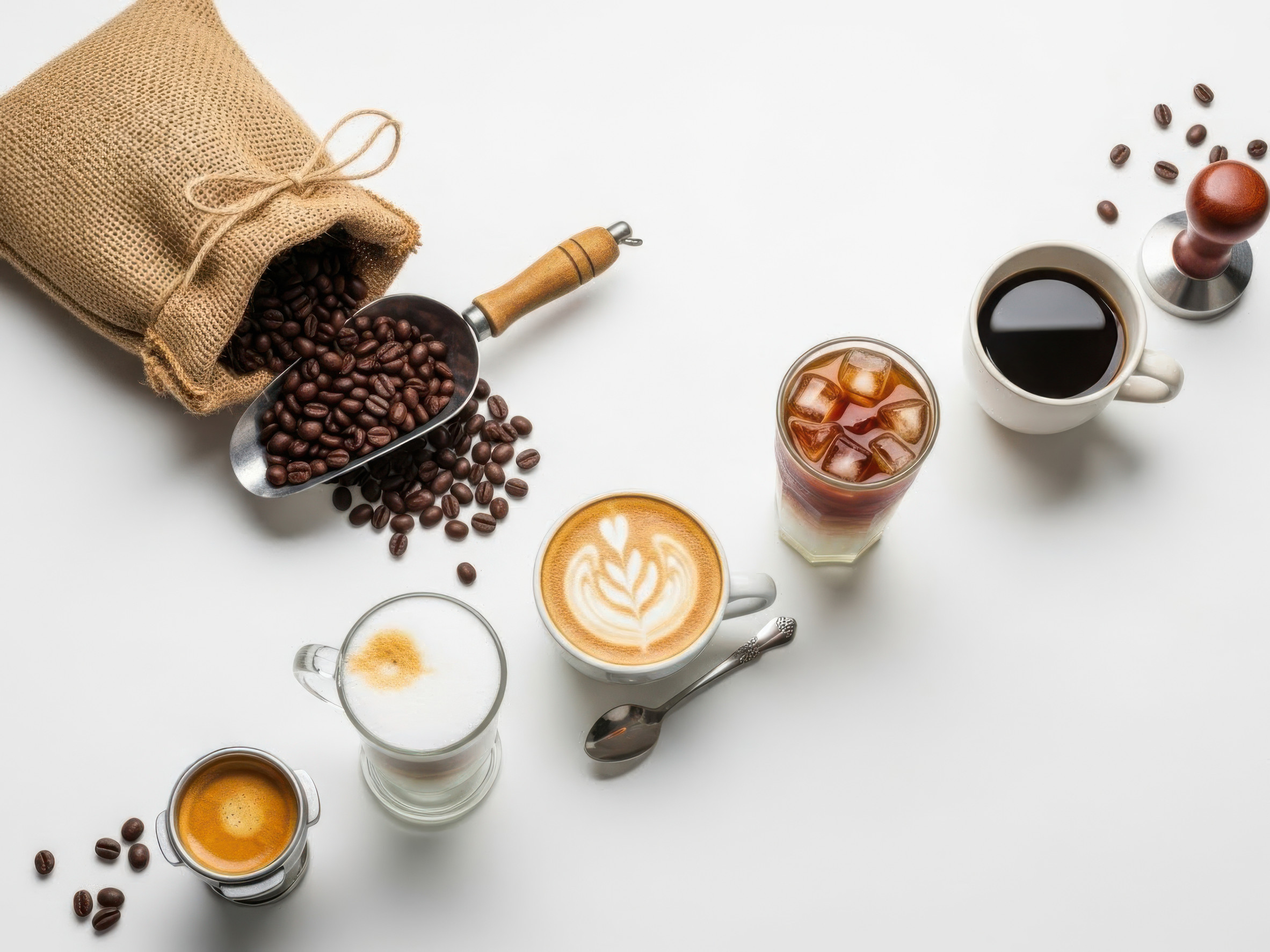
Specialty coffee, once a niche market focused on high-quality beans sourced from specific regions, has become a global phenomenon. The rise of coffee culture has led to an explosion of coffee shops and brands, all promising the perfect brew. While this has made high-quality coffee more accessible, it has also contributed to the dilution of the craft.
In an effort to meet the growing demand, coffee production has become faster and more standardized, with a focus on quantity rather than quality. As a result, the art of brewing specialty coffee, once reserved for skilled baristas who took the time to perfect each cup, has been overshadowed by mass production methods.
Conclusion
The overproduction of these seven foods illustrates a significant shift in the culinary landscape. While increased availability can make these once-rare ingredients accessible to a broader audience, it often comes at the expense of quality and authenticity.
As mass production techniques become the norm, the special status of many beloved foods diminishes, leaving consumers yearning for the craftsmanship and tradition that once defined these ingredients. In an age of overabundance, it is crucial to remember that true culinary greatness often lies in rarity and careful production.
Whether it’s a truffle harvested from the wild or a cup of specialty coffee brewed with care, these foods deserve to be cherished, not diluted. By returning to a focus on quality over quantity, we can restore the prestige of these iconic foods and reconnect with the traditions that make them special.