7 Highly Dangerous Local Foods from Around the World
Food has long been a central part of human culture, but certain dishes push the boundaries of safety and human endurance. Some foods, despite careful preparation, still pose inherent risks that can be fatal if consumed incorrectly.
Here are seven of the most dangerous foods from around the world, each posing unique and significant dangers.
Fugu (Pufferfish) – Japan
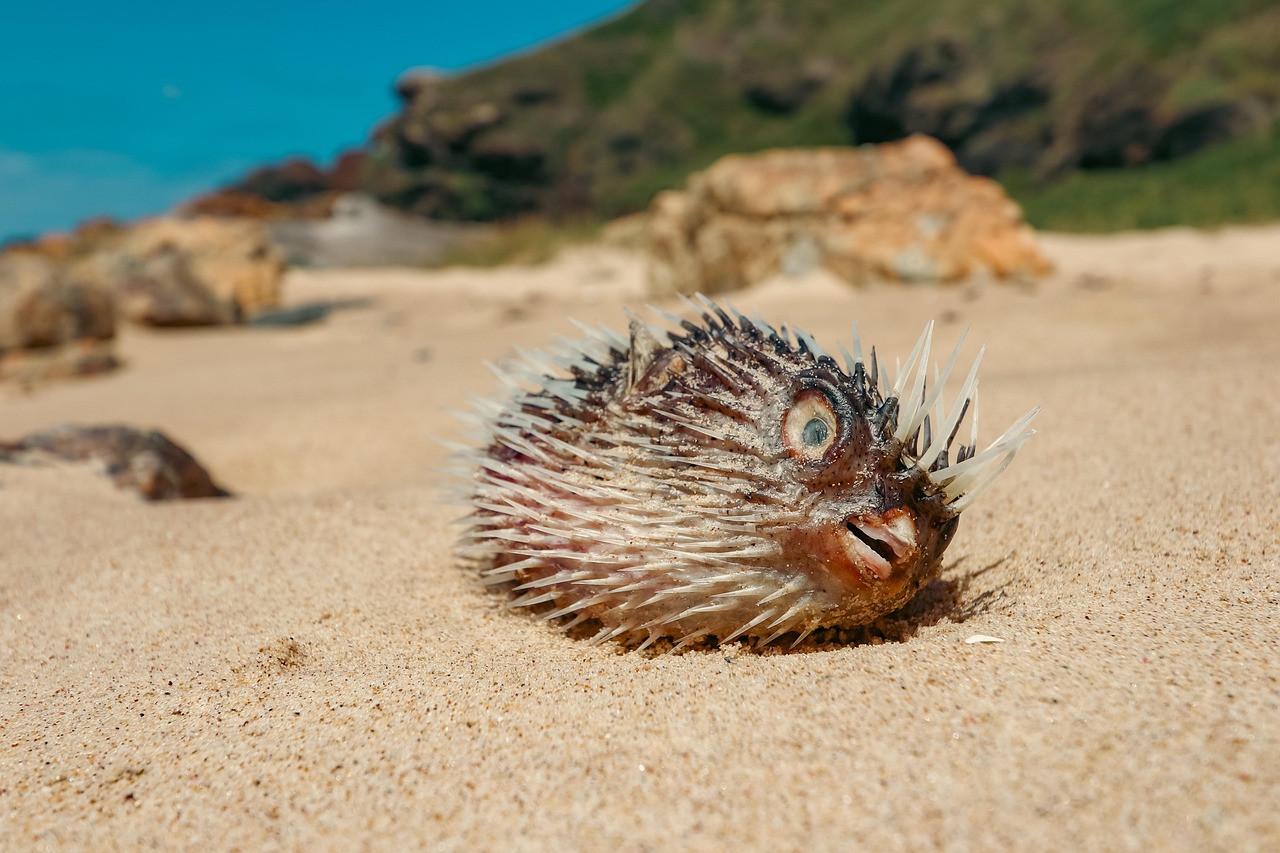
Fugu, or pufferfish, is infamous for its potential lethality if not prepared properly. The fish contains tetrodotoxin, a potent neurotoxin that can cause death if consumed in even minute amounts.
This neurotoxin is found primarily in the liver, ovaries, and skin of the fish, making proper preparation essential for safety.
Preparation and Risks
Only certified chefs in Japan are allowed to prepare fugu after completing years of intensive training. Despite these precautions, a small mistake in preparation can lead to accidental poisoning.
Each year, several deaths occur due to improperly prepared fugu, highlighting the significant risks associated with eating this delicacy.
Casu Marzu – Sardinia, Italy
Casu marzu is a traditional Sardinian cheese, both renowned and reviled for the live maggots it contains. This cheese is made from sheep’s milk, and during its fermentation, it is intentionally inoculated with fly larvae.
The larvae consume the cheese and break it down, causing it to decompose and become a soft, semi-liquid mess.
The Dangers of Maggots
While the cheese may taste unique to some, it poses a serious risk. The maggots inside can leap as high as 15 cm when disturbed, potentially causing injury, especially to the eyes.
Because of these health hazards, casu marzu is banned in many countries, though it remains a cherished delicacy in Sardinia.
Saknakji (Live Octopus) – South Korea
Saknakji, a dish of live octopus, is served while the tentacles are still moving. While this may seem like an adventurous culinary experience, it poses significant choking risks.
The suckers on the octopus tentacles can cling to the throat, blocking airways and causing suffocation.
Choking Hazards and Deaths
Saknakji is eaten with caution, as every year, several deaths are reported in South Korea due to choking.
The still-moving tentacles can easily latch onto a person’s throat, leading to a dangerous situation. This dish highlights the importance of safe consumption, even when food is freshly prepared.
Lutefisk – Scandinavia
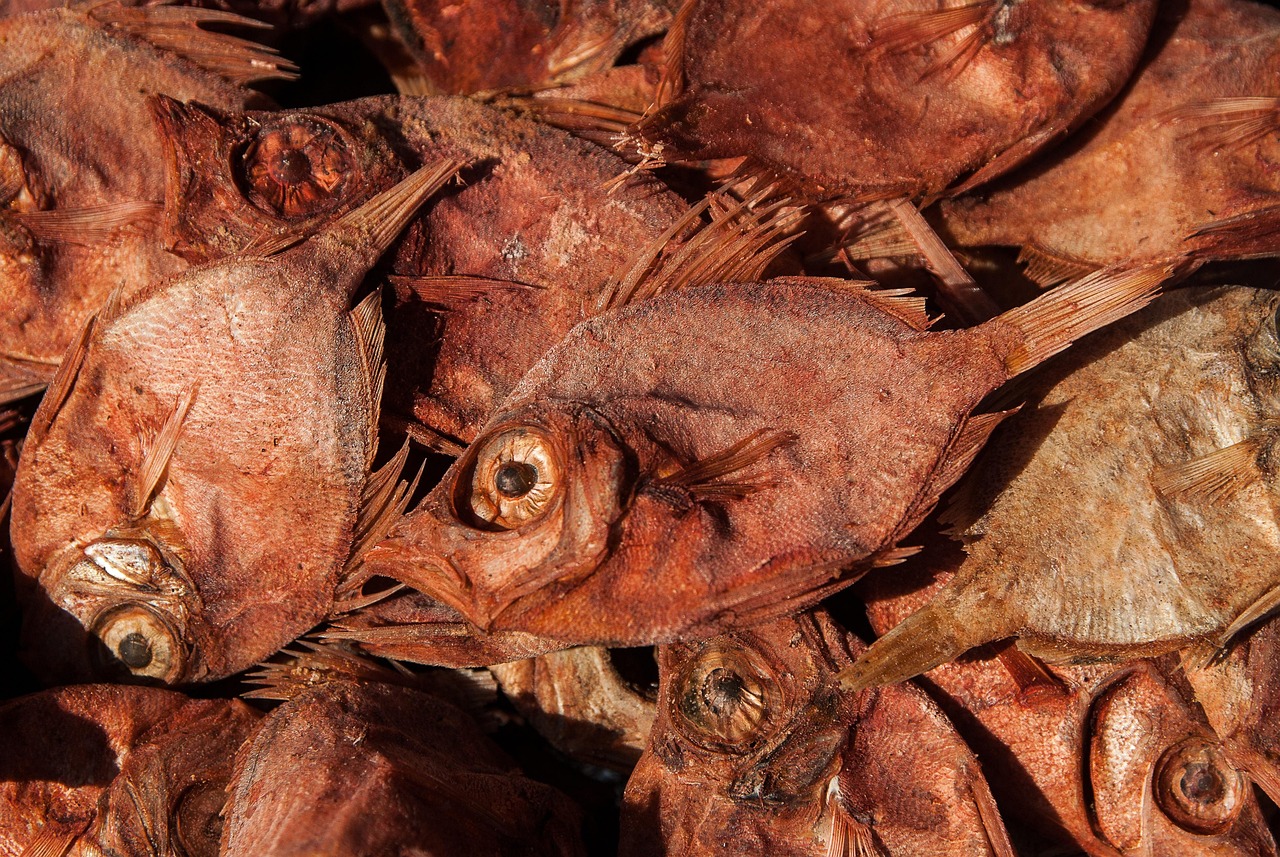
Lutefisk is a traditional Scandinavian dish made from dried fish soaked in an extremely alkaline solution, such as sodium hydroxide or potassium hydroxide.
The fish undergoes chemical changes, swelling, and softening, forming a gelatinous mass. The high alkalinity of lutefisk makes it so dangerous.
Chemical Burns and Corrosion
If not adequately prepared, lutefisk can cause chemical burns due to its high pH, which can reach 12.
The dish is so alkaline that it can corrode silverware and cooking equipment. Lutefisk also poses a danger to individuals with stomach ulcers, as its high alkalinity can worsen gastrointestinal conditions.
Angel’s Trumpet – The Americas
The Angel’s Trumpet is a toxic plant known for its beautiful, trumpet-shaped flowers.
Its fruit contains powerful alkaloids like scopolamine and hyoscyamine, which can cause delirium, hallucinations, rapid heart rate, and, in severe cases, death.
Toxic Effects and Historical Use
In some cultures, the fruit of the Angel’s Trumpet was used in rites of passage and to induce altered states of consciousness.
However, consuming even a small amount can result in memory loss, violent behavior, and lasting physical harm. The plant remains dangerous, and its consumption is strongly advised against.
Calabar Bean – West Africa
The Calabar bean, grown in tropical West Africa, is used in ritual trials to determine guilt or innocence.
When consumed, the bean causes severe symptoms such as muscle spasms, loss of respiratory control, and death by suffocation.
The beans contain toxins that disrupt the nervous system and can lead to fatal consequences.
Ritual Use and Deadly Consequences
Historically, the Calabar bean was used in trials by ordeal, where the accused would consume the beans to prove their innocence or guilt. If the beans caused death, the accused was deemed guilty.
If they survived the effects and expelled the beans, they were considered innocent. However, consuming this bean in modern times can lead to irreversible harm and death.
Mustard Oil Prawn Cocktail – United States
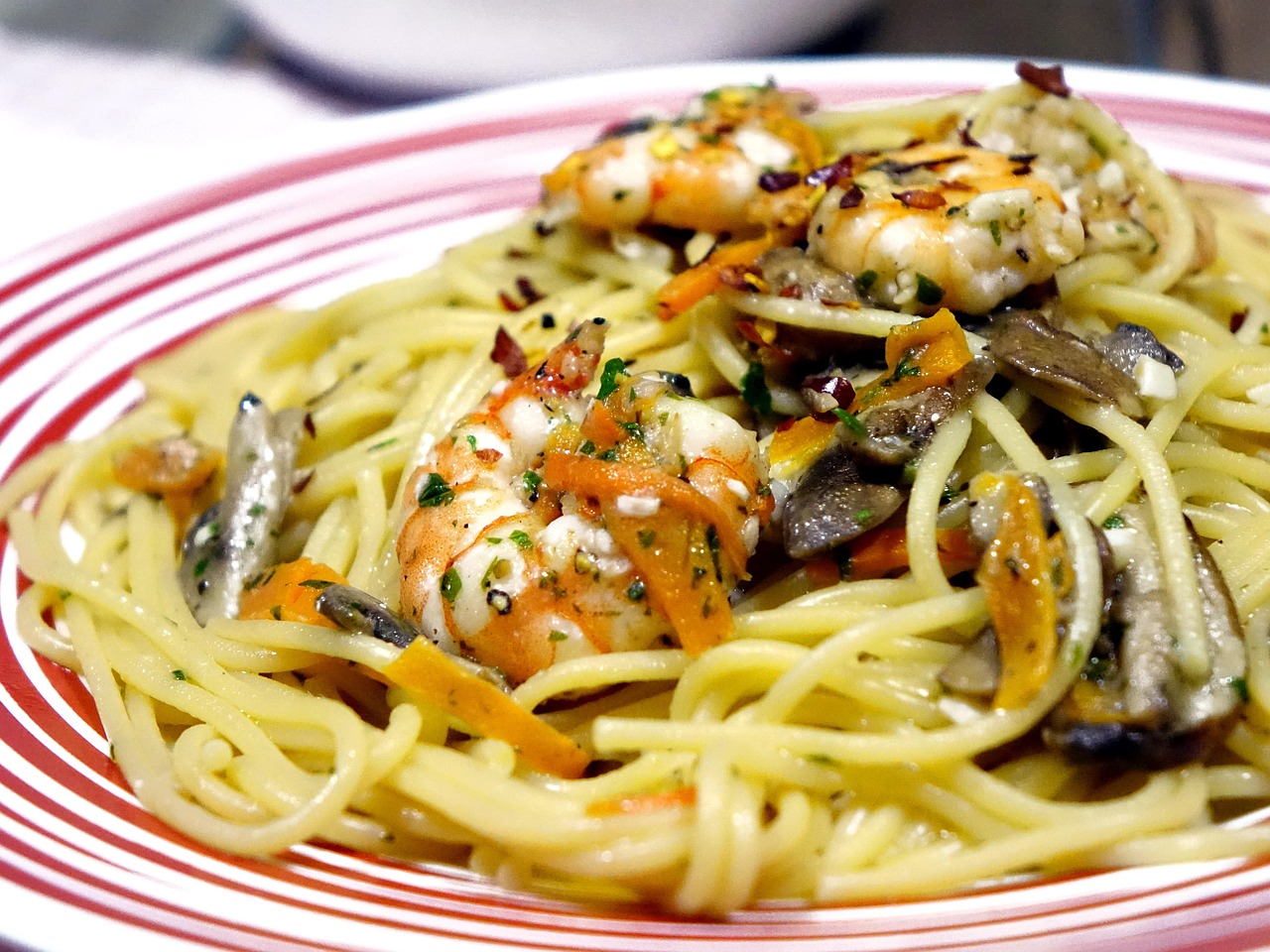
The prawn cocktail at St. Elmo Steak House in Indiana, USA, has gained notoriety for its extreme spiciness. The dish is made with an overwhelming amount of grated horseradish, which contains mustard oil (allyl isothiocyanate).
Mustard oil is five times more lethal than arsenic, and consuming it in large quantities can cause intense pain.
The Lethal Heat of Mustard Oil
Eating this prawn cocktail can feel like being electrocuted due to the intensity of the mustard oil’s heat.
While the dish is not typically dangerous in small portions, the prawn cocktail at St. Elmo’s is designed to push the limits of human tolerance, often resulting in extreme discomfort, nausea, and even respiratory damage if not consumed carefully.
Conclusion
These seven foods, while often part of unique cultural traditions, carry significant risks that should not be underestimated.
From the deadly pufferfish of Japan to the intoxicating effects of the Angel’s Trumpet, these dishes challenge even the most seasoned food adventurers.
The danger often lies not only in the ingredients but in the preparation process and the delicate balance needed to consume these items safely.