7 Hidden Signs of Depression Most People Miss

Depression is more than just feeling sad; it’s a deep, often invisible struggle that can affect anyone, no matter their age, background, or circumstances. While many people are aware of the common symptoms like sadness, fatigue, and loss of interest in activities, depression often manifests in more subtle, overlooked ways.
These signs can easily go unnoticed, not just by those who suffer from it, but also by their loved ones. Recognizing these hidden signs is crucial for early intervention and effective treatment.
Below are seven hidden signs of depression that most people miss, often until the condition has taken root.
Irritability and Anger

One of the most common but less recognized signs of depression is a noticeable shift in mood that leans more toward irritability or anger rather than sadness. People who are depressed may feel frustrated with themselves or the world around them, but they might not express that as sadness.
Instead, they may lash out, snap at others, or become easily upset over minor inconveniences. These outbursts of anger can sometimes be misinterpreted as personality flaws or stress, when in reality, they may be stemming from deep emotional pain.
Difficulty Concentrating
When depression takes hold, it can significantly impact mental functions like memory and focus. This is often referred to as “brain fog,” a condition in which a person feels mentally sluggish, forgetful, or unable to concentrate. Tasks that once seemed manageable can feel overwhelming, leading to frustration.
People with depression might struggle with making decisions, keeping track of details, or following through on projects. This lack of focus can often be dismissed as just “feeling distracted” or “tired,” but it’s often a silent symptom of something much deeper.
Physical Complaints Without Clear Causes
Depression doesn’t just affect your mind; it also takes a physical toll on your body. Individuals suffering from depression often experience unexplained physical symptoms such as headaches, stomach aches, joint pain, or back pain.
These ailments may recur without a clear cause, and treatments for them may prove ineffective. Depression-induced stress on the body can lead to these recurring symptoms, yet because they lack a physical diagnosis, they are often overlooked as unrelated to mental health.
Changes in Sleeping Patterns

While many people associate depression with oversleeping or not being able to get out of bed, the truth is that depression can also cause sleep disruptions in the form of insomnia. A person may lie awake for hours, unable to turn off their mind, or wake up in the middle of the night feeling anxious or restless.
These sleeping patterns can be an invisible sign of depression, particularly if they lead to exhaustion, irritability, and an inability to function properly during the day.
Withdrawing from Social Interactions
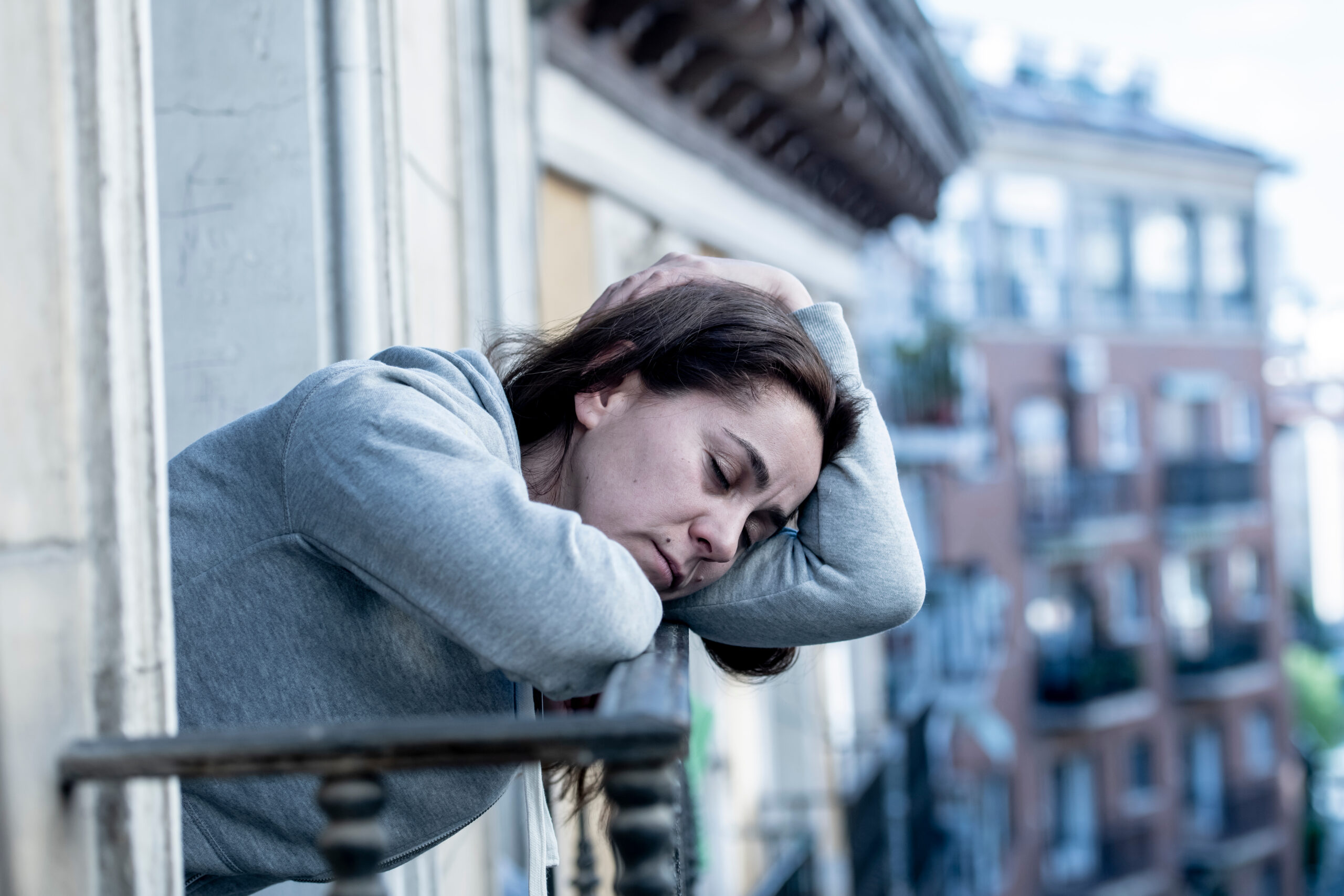
People with depression often feel a sense of detachment from the world around them. They may pull away from friends, family, and activities they once enjoyed. This isolation can be subtle; someone might not explicitly say they no longer wish to be around others, but they may start making excuses, canceling plans, or simply stop attending social gatherings.
The person may even appear perfectly fine on the surface, but deep down, they feel disconnected and empty. This withdrawal is not a conscious decision but rather a coping mechanism to avoid confronting their emotional pain.
Unexplained Guilt or Worthlessness
While self-esteem issues are often associated with depression, the feeling of overwhelming guilt or worthlessness is one of the most misunderstood and hidden signs. A person suffering from depression might feel like they are a burden to others or that they are failing in every area of life, even if these beliefs are untrue.
These feelings of inadequacy are powerful yet invisible, often preventing the individual from seeking help because they truly believe they do not deserve it.
Subtle Changes in Eating Habits

While some people with depression lose their appetite, others might overeat as a way of coping with their emotions. These changes in eating habits can be easily dismissed or attributed to stress or personal preference.
Some individuals may experience sudden weight loss or gain without realizing that it is a symptom of depression. For others, emotional eating can be a way to numb difficult feelings or to cope with emotional pain, even if they don’t recognize it as such.
Conclusion
Depression is often silent, hiding beneath the surface in ways that are not always obvious. By recognizing these less obvious symptoms, we can provide support to those who are struggling and help them get the treatment they need before the condition worsens.
If you or someone you know is displaying these signs, it’s important to approach the situation with compassion and encourage professional help. Depression is treatable, and with the right support, recovery is possible.
Read the original Crafting Your Home