7 “Healthy” Foods That Are Quietly Wrecking Your Kidneys

When it comes to kidney health, we often focus on avoiding the obvious threats: excessive salt, processed foods, sugary drinks, and alcohol. But did you know that some foods marketed as “healthy” can also take a toll on your kidneys over time? These seemingly harmless superfoods or well-meaning staples in your diet may be quietly wreaking havoc on your kidney function.
Spinach

Spinach is often hailed as a nutrient-packed powerhouse. Rich in vitamins, iron, and antioxidants, it’s a go-to food for health-conscious individuals. However, for those with compromised kidney function, spinach can be problematic.
It contains high levels of oxalates, which can form kidney stones when consumed in excess. If you’re prone to calcium oxalate stones or have kidney disease, it’s wise to moderate your spinach intake and opt for lower-oxalate leafy greens like kale or lettuce instead.
Avocados
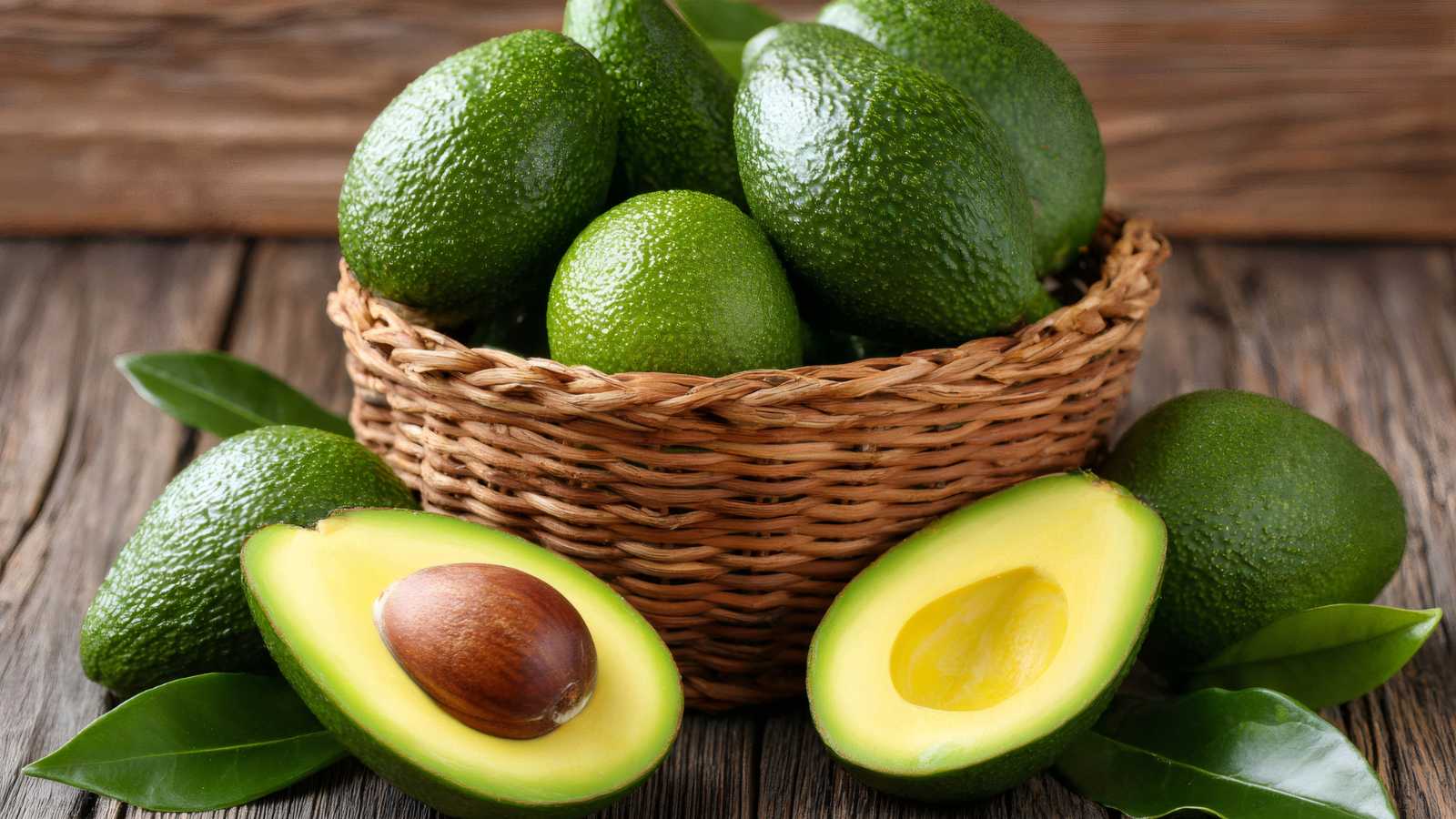
Avocados are packed with healthy fats, fiber, and a wealth of vitamins. They’ve become a symbol of health and wellness, often appearing in everything from salads to smoothies. However, they are also high in potassium, a mineral that can be problematic for individuals with kidney disease.
Potassium is crucial for heart and muscle function, but when the kidneys can’t filter it effectively, it can lead to hyperkalemia, a dangerous condition that can cause irregular heart rhythms. While avocados are healthy for most people, those with compromised kidneys should eat them in moderation.
Nuts and Nut Butters
Nuts and nut butters, often touted as healthy snacks, are rich in protein and healthy fats. While they are an excellent source of nutrition, they also contain significant amounts of phosphorus and potassium. These nutrients, when consumed in excess, can strain the kidneys.
For individuals with kidney disease, excessive phosphorus intake can lead to weakened bones and cardiovascular issues. While nuts can be a healthy addition to a balanced diet, overconsumption can have unintended consequences for those with kidney concerns.
Bananas
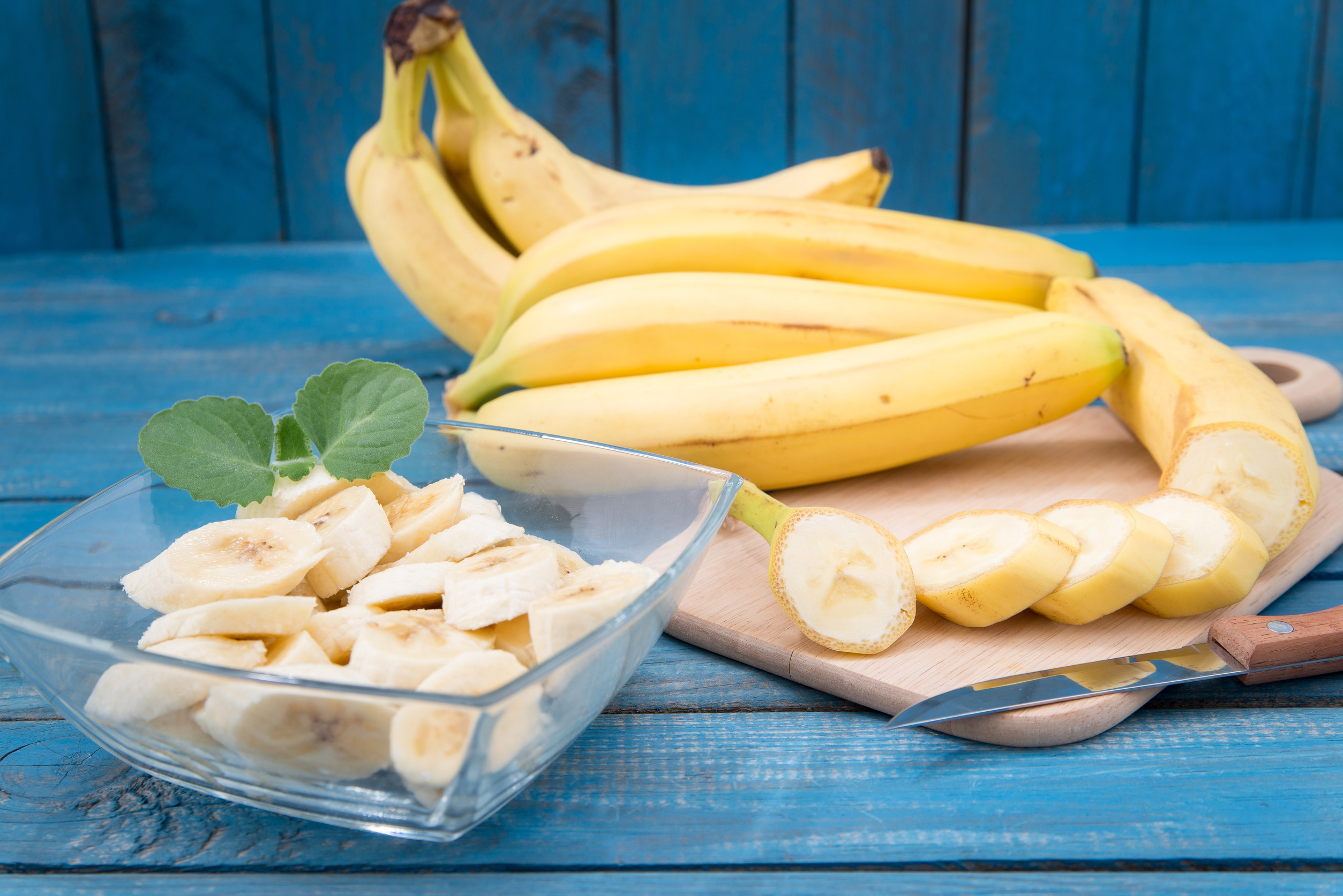
Bananas are often considered a go-to snack for those seeking a natural energy boost. With their high potassium content, they help maintain fluid balance and support muscle function. However, for individuals with kidney disease, bananas can be risky.
The kidneys play a crucial role in regulating potassium levels in the body, and when kidney function is impaired, potassium can build up to dangerous levels, leading to heart problems. If you have kidney concerns, it’s essential to limit your intake of potassium-rich foods like bananas, especially in large quantities.
Tomatoes
Tomatoes are a staple in many healthy diets, packed with antioxidants and essential vitamins. Yet, they fall into the category of foods that might harm your kidneys if consumed too frequently.
Tomatoes are high in potassium and can exacerbate kidney issues, especially when eaten in large quantities. For those with compromised kidney function, moderation is key.
While tomatoes provide a wealth of nutrients, it’s best to enjoy them in moderation and balance them with other lower-potassium vegetables.
Whole Wheat Bread
Whole wheat bread is often promoted as a healthier alternative to white bread due to its higher fiber content. While fiber is essential for digestive health, whole wheat products also contain high levels of phosphorus.
For those with kidney problems, consuming too much phosphorus can result in mineral imbalances and kidney strain. The key to managing kidney health is moderation, and this extends to whole wheat bread.
If you’re looking for a kidney-friendly alternative, consider bread made from white flour or lower-phosphorus grains.
Canned Beans

Beans are a healthy, plant-based protein source, rich in fiber, iron, and other essential nutrients. However, canned beans, a common pantry staple, often contain high levels of sodium, which can strain the kidneys. Excessive sodium intake can lead to high blood pressure, which is a major risk factor for kidney disease.
Even if you opt for beans to support your kidney health, it’s important to choose low-sodium options or prepare beans from scratch to avoid the hidden sodium overload that often comes with canned varieties.
Conclusion
While these foods are often considered healthy and part of a balanced diet, they can have unintended consequences for kidney health, especially when consumed in excess or by individuals with kidney disease. Understanding the hidden risks behind these “healthy” foods is crucial for maintaining optimal kidney function.
If you have concerns about your kidney health, it’s always a good idea to consult with a healthcare provider or nutritionist who can help guide you toward a balanced and kidney-friendly diet. Your kidneys do a lot of work for you, so it’s important to nourish them with care, and that might mean reconsidering some of those foods that are doing more harm than good.
Read the original Crafting Your Home