7 Game-Changing AI Innovations Shaping the Future of Work

Artificial Intelligence (AI) has already begun altering the fabric of industries worldwide. Far from the dystopian predictions of mass job loss, AI is paving the way for exciting and unconventional career opportunities that were once unimaginable. From healthcare to space exploration, AI is not just a tool of automation but a force of innovation, offering new paths to enhance our world in ways we never thought possible.
Here, we explore seven of the most groundbreaking and useful AI-driven career roles and innovations that are shaping the future.
AI in Healthcare

The healthcare industry has long faced staffing shortages and overwhelming demand, and AI is stepping up to help address these challenges. One of the most promising applications of AI in healthcare is the digital nurse. These AI-driven virtual assistants are already helping patients by answering questions, assisting with medication management, and even providing follow-up care.
AI in Climate Change
AI’s role in combating climate change is expanding rapidly. With its ability to analyze large datasets, AI can predict climate trends, optimize renewable energy use, and even develop solutions to mitigate environmental damage. Researchers are using AI to study carbon emissions, deforestation, and the effects of human activity on ecosystems.
AI in Space Exploration
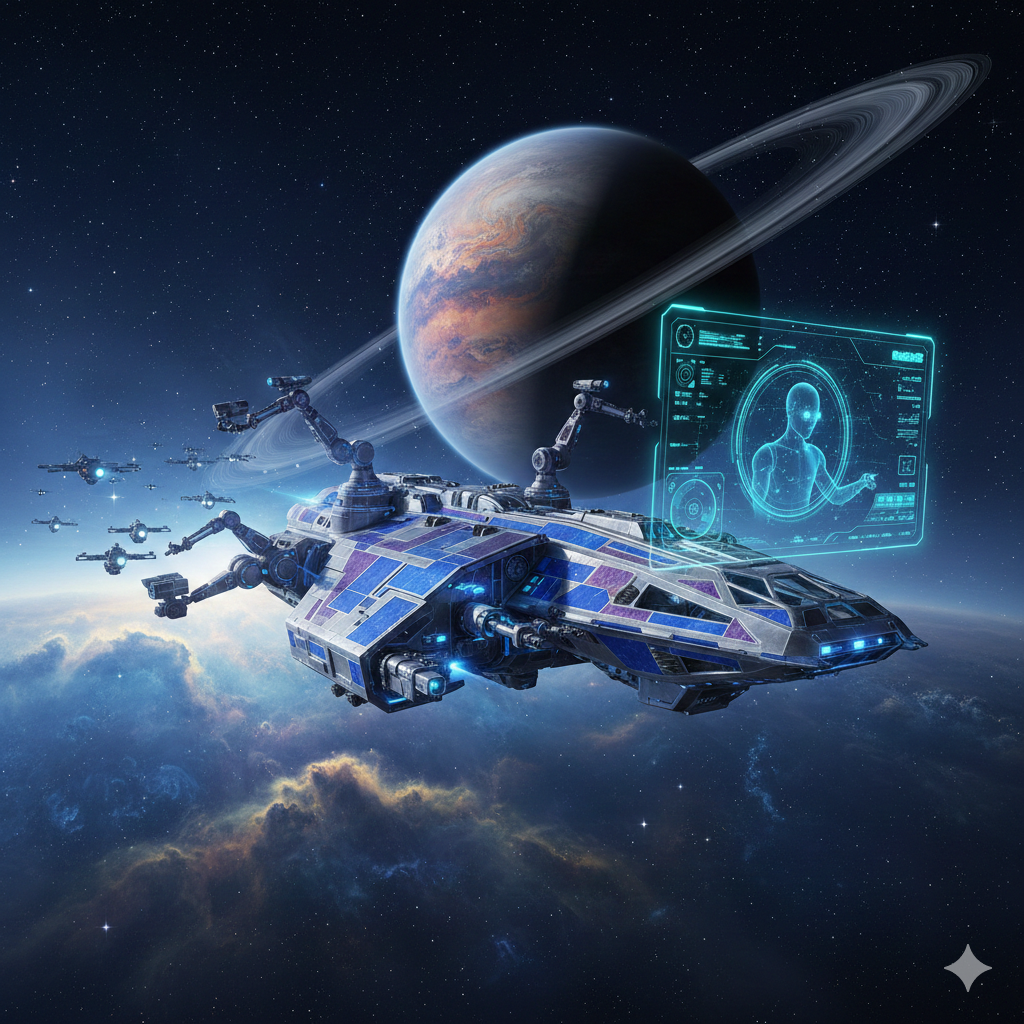
Space exploration has always been one of humanity’s greatest challenges, but with AI, we are now making incredible strides in understanding the cosmos. AI-powered technologies are helping scientists analyze vast amounts of data from space missions, predict cosmic events, and even detect new planets.
AI in Customer Service
AI is transforming the way businesses interact with customers, and chatbots are leading the charge. These AI-powered assistants can handle a wide range of tasks, from answering frequently asked questions to assisting with product purchases. Chatbots are available 24/7, providing immediate responses to customer inquiries and offering a seamless customer experience.
AI in the Food Industry
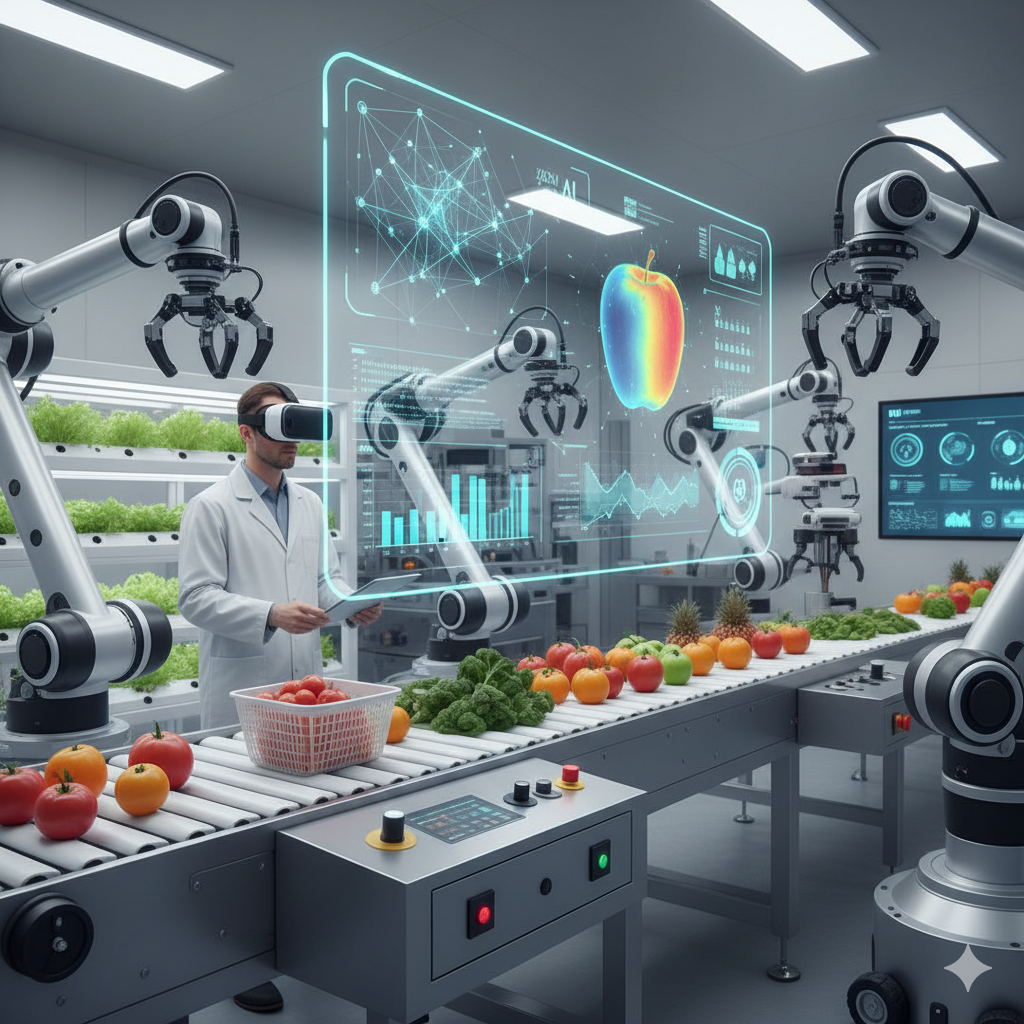
AI’s influence has even extended to the fast-food industry, where it’s revolutionizing the way we place and receive orders. Fast food chains like Taco Bell and McDonald’s are experimenting with AI systems in drive-thru lanes to improve efficiency and reduce human error. These AI systems can take orders, recommend menu items, and even process payments, all with minimal human intervention.
AI in Sports

AI’s impact on sports officiating is one of its most surprising applications. In soccer, AI is used for Semi-Automated Offside Technology (SAOT), which tracks players’ positions in real time to help referees make more accurate decisions. This technology is already being used in major tournaments like the FIFA World Cup, enhancing the accuracy of offside calls and helping officials make more informed decisions.
AI in Writing and Content Creation
One of the most misunderstood applications of AI is in content creation. AI-powered tools can now assist writers with everything from generating article ideas to writing entire drafts. In fields such as scientific research, AI is helping analyze data and draft papers, reducing the time and effort required to produce high-quality work.
Conclusion
The future of AI is full of promise, and the potential for new job roles and industries is staggering. As AI continues to evolve, it will not only automate existing tasks but also create entirely new opportunities for innovation. From digital nurses in healthcare to AI-powered customer service agents, the possibilities are endless.
By embracing AI and adapting to these changes, individuals can prepare themselves for the future job market, which will require new skills, creativity, and a deep understanding of AI technologies. Rather than fearing AI, we should view it as a tool that will enable us to tackle some of the world’s most pressing challenges, from climate change to global health crises. The key to success in this new world will be harnessing AI’s potential to create a more efficient, innovative, and connected society.