7 Fascinating Facts About Corsets That Will Blow Your Mind
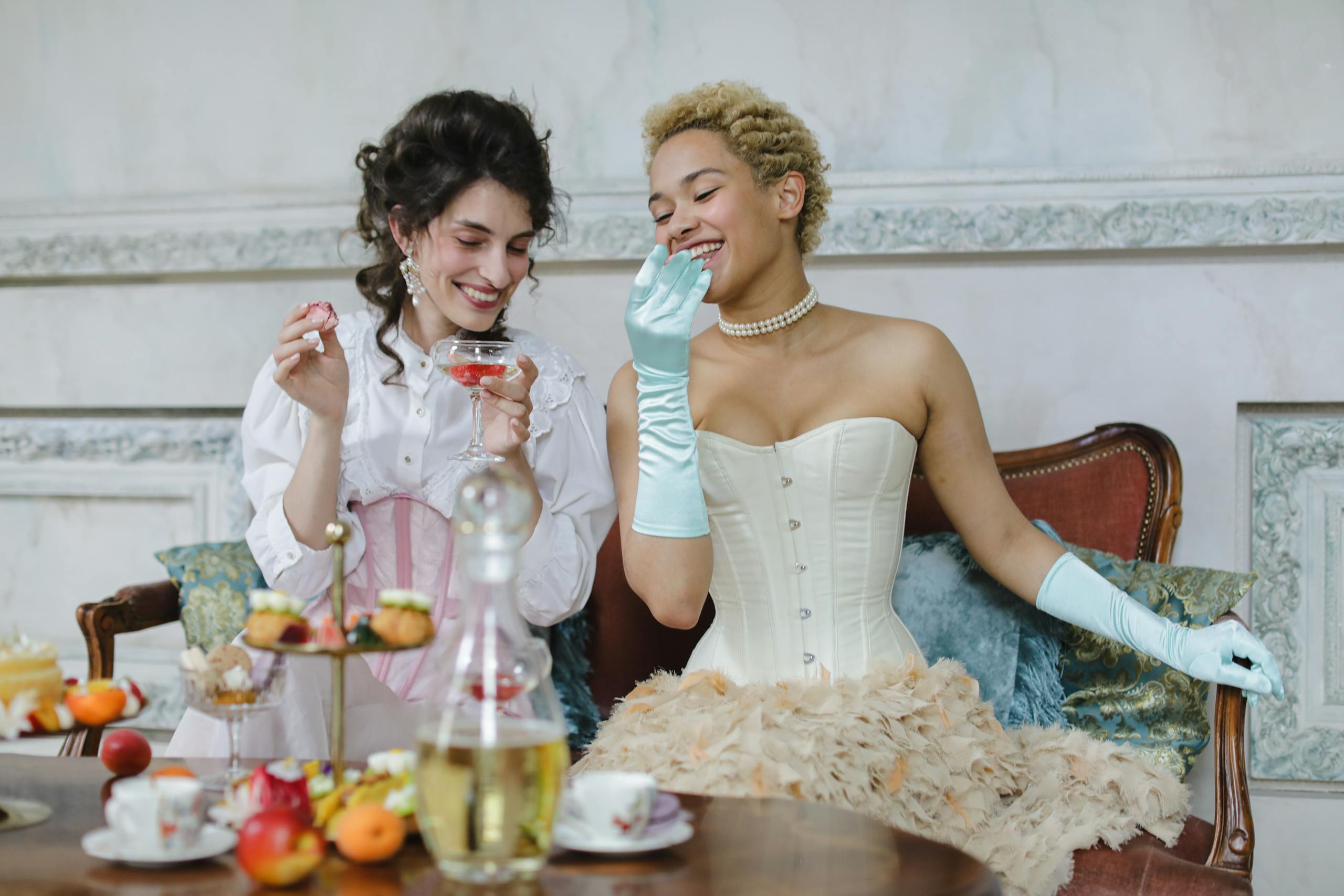
Corsets have long been a topic of intrigue and controversy, shaping the physical form and societal expectations of wearers for centuries. From their royal origins to their revival in modern fashion, corsets have made a lasting impact on beauty standards, health discussions, and even gender norms. While often remembered for their restrictive nature, there’s so much more to corsets than meets the eye.
The Birth of Corsets
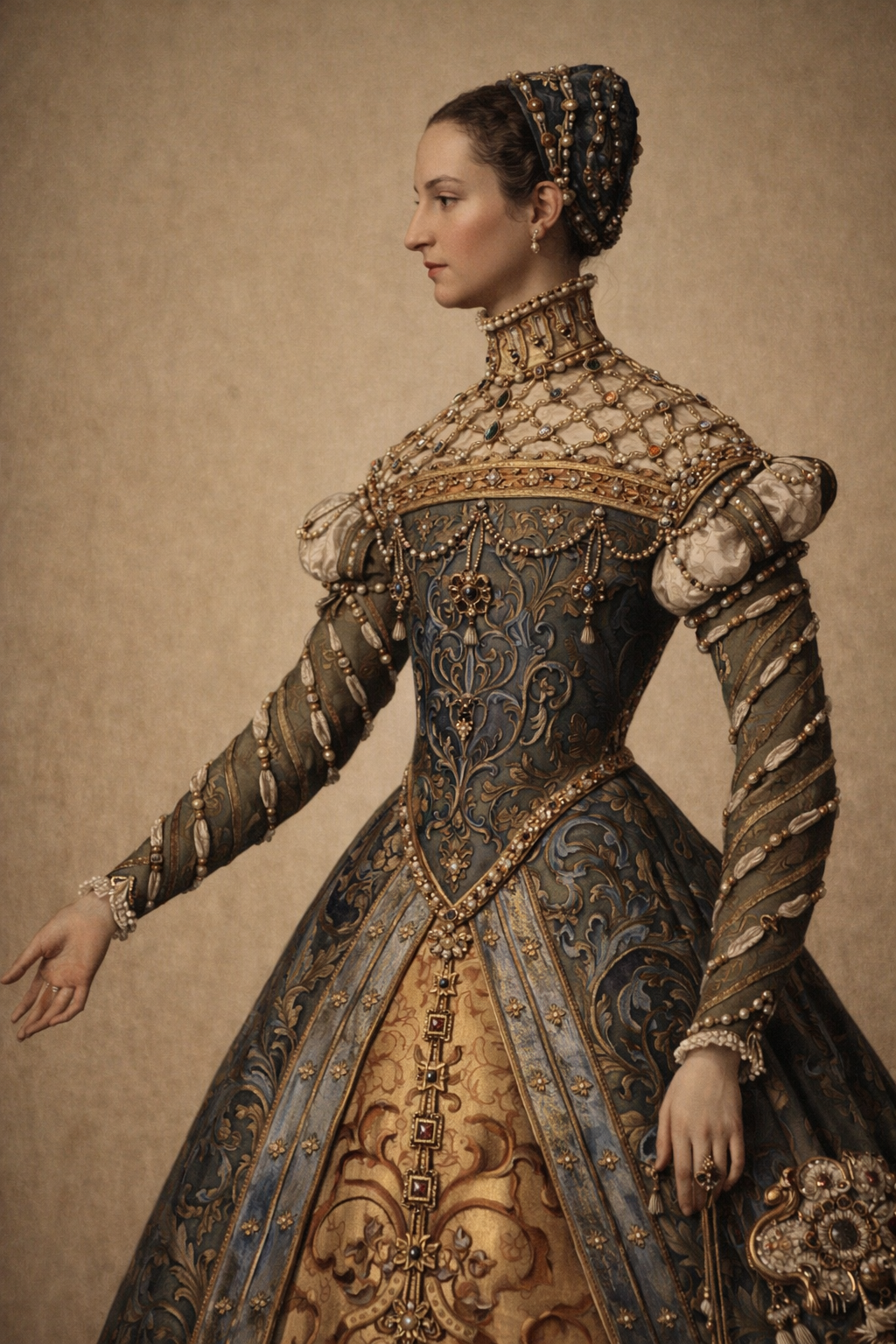
Corsets can trace their origins back to the 16th century, thanks to Catherine de’ Medici, the wife of French King Henry II. This powerful queen is often credited with introducing the corset to the European court. It’s said that Catherine, determined to enforce beauty standards at the French court, banned women with thicker waists from attending royal events, making it a social necessity for aristocratic women to wear corsets.
Men Wore Corsets Too

While corsets are primarily associated with women, men in certain periods of history also wore them to achieve a more polished and streamlined silhouette. In the late 18th century, European men, particularly the aristocracy, embraced corsets to shape their waist and create a smooth line beneath their jackets and trousers.
Corsets and the Debate on Health
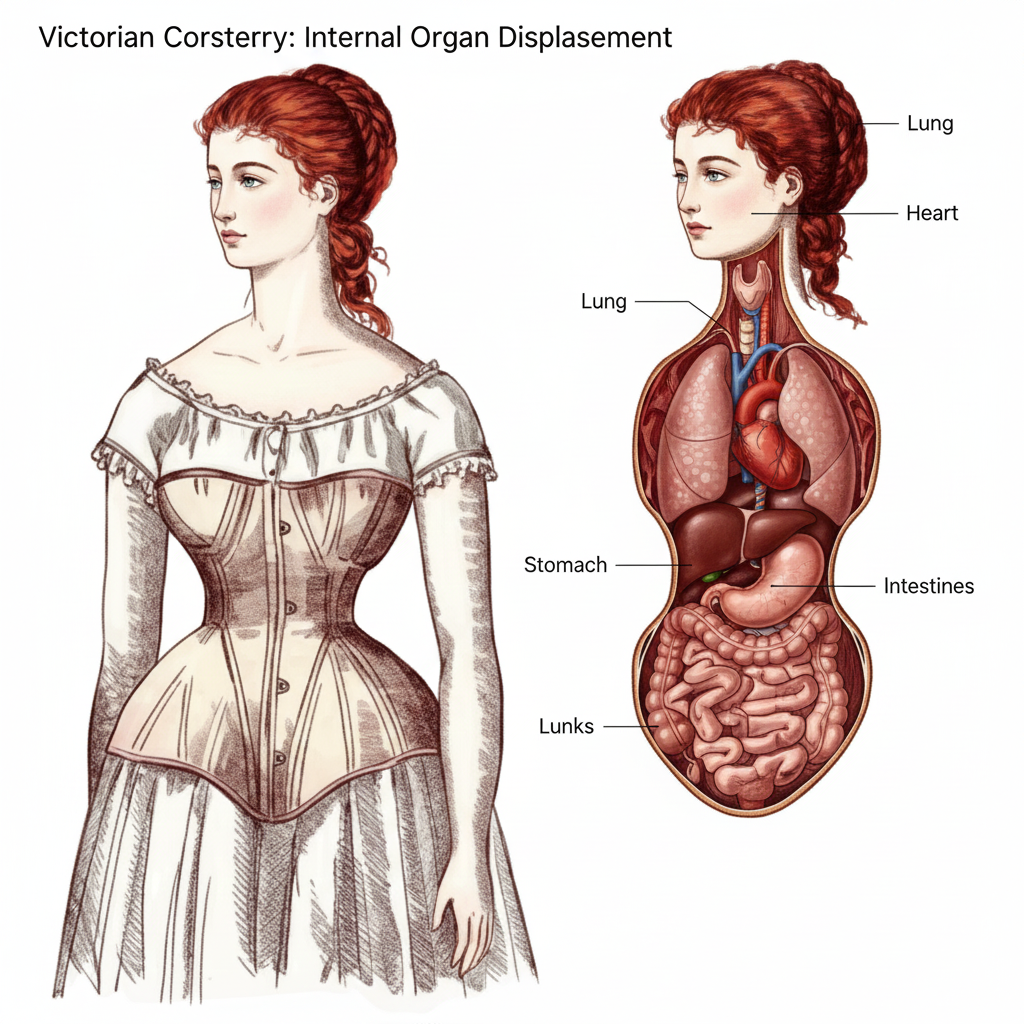
Corsets were often linked to debates surrounding their health effects, particularly the practice of tight-lacing. As the garment evolved, especially in the 19th century with the introduction of metal eyelets and steel boning, women began to cinch their corsets ever tighter to achieve a more dramatic waist reduction.
This extreme tight-lacing practice was criticized by many doctors, who warned that corsets could cause a host of health issues. Some of the concerns included restricted breathing, digestive problems, and the displacement of internal organs. Prolonged use of tight corsets also led to fainting spells, as the wearer’s organs were compressed, making it difficult for the body to function properly.
The Evolution of Corset Design
In the early history of corsetry, the garments were primarily made from flexible materials like cloth, with minimal shaping support. However, as fashion became increasingly focused on exaggerated waistlines and the ideal hourglass figure, corset design evolved to incorporate more rigid materials such as whalebone and steel.
By the late 18th century, the introduction of metal and wooden boning enabled more structured corsets, helping women achieve a dramatically smaller waistline. This development gave rise to the practice of tight-lacing, in which women used laces and eyelets to pull their corsets as tightly as possible, sometimes resulting in a waist measuring only 16 inches or less.
Corsets in Popular Culture
Throughout history, corsets have been viewed as both a symbol of female oppression and a mark of beauty. In the 19th century, corsets were often criticized for their restrictive nature and the societal pressure placed on women to conform to certain beauty standards. They were seen as a tool of patriarchal control, restricting women’s movements and reinforcing the idea that a woman’s worth was tied to her physical appearance.
However, in recent years, corsets have undergone a transformation in popular culture. No longer just symbols of restriction, corsets have become a form of empowerment for many women. In modern fashion, corsets are often embraced as an aesthetic choice, worn to accentuate the waist, celebrate curves, and reclaim control over one’s body. The resurgence of corsetry in haute couture and street fashion reflects a broader shift towards body positivity and self-expression.
Corsets in Modern Fashion

In recent decades, corsets have experienced a resurgence in fashion. Designers have reintroduced corsetry into their collections, often blending historical elements with modern styles. Corsets are no longer solely associated with restrictive fashion; they have become a sought-after garment for their aesthetic appeal, contributing to both luxury fashion and everyday wear.
Corsets are now worn as part of a layered outfit, often incorporated into dresses, shirts, and even outerwear. The trend of corsetry in modern fashion celebrates both the artistry of tailoring and the power of shaping one’s own form. Celebrities, influencers, and fashion enthusiasts alike have embraced corsets to highlight their figures, create dramatic silhouettes, or make bold statements in line with their personal style.
Corsets and Cultural Significance
Corsets have always been more than just clothing; they serve as cultural signifiers that reflect deeper societal values. Throughout history, corsets were worn as a mark of wealth and social status. The more elaborate the corset, the higher the wearer’s standing in society. In the 18th century, aristocratic women wore corsets that were richly decorated with intricate lace, ribbons, and metal clasps, signaling their wealth and sophistication.
Corsets also played a significant role in shaping gender norms. In particular, they were used to enforce ideals of femininity, creating a delicate and submissive image of women that was idealized in both fashion and social structures. The tight-lacing trend, which became popular in the 19th century, was seen as a way for women to conform to the dominant gender norms of the time, which emphasized fragility and subservience.
Conclusion
The history of corsets is one of both restriction and empowerment. While they began as a royal fashion statement and a tool for controlling women’s bodies, corsets have undergone a transformation in modern times. Today, corsets are celebrated not for their restrictive qualities but for their role in shaping personal style, challenging beauty standards, and reclaiming control over one’s body.
Whether they are worn as part of high fashion, as a statement of empowerment, or simply as a nod to the past, corsets continue to captivate and inspire. They remind us of how fashion can shape and redefine societal norms while serving as a powerful tool for self-expression and identity.
Read the original article on crafting your home