


In today’s fast-paced, tech-driven world, there are many essential skills that have somehow slipped through the cracks of modern education. As curriculums evolve, some valuable subjects and practical skills are phased out to make way for new trends. But the question remains: should they have been?
Here, we explore 7 essential skills that schools once taught, but for various reasons, have stopped, and why they should make a return.
Typing

In the age of smartphones and laptops, it might seem redundant to teach typing, but the skill of touch typing (typing without looking at the keyboard) is more valuable than ever. Typing classes, once a cornerstone of middle and high school curriculums, helped students develop muscle memory and cognitive automaticity, skills that allow us to think about ideas, not just the mechanics of writing.
Studies show that students who learned to type early on were faster and more efficient, and were able to focus on content rather than key placement. In fact, research has indicated that students who type by touch retain information better and can write more fluently. In today’s digital world, typing has evolved into a vital life skill for both personal and professional productivity.
Shop Class
With the rise of STEM education and a focus on college-prep courses, trade and vocational classes such as shop were phased out, depriving students of practical life skills. Shop class was more than just learning to use tools, it taught critical thinking, problem-solving, and hands-on experience that proved useful in both personal and professional life.
In a world that increasingly relies on technology, hands-on skills such as woodworking, auto repair, and electrical work are still highly valuable. Vocational training prepares students for lucrative careers in fields that don’t necessarily require a four-year college degree. As the need for skilled tradespeople rises, bringing back shop class could help fill the demand and prevent the growing skills gap.
Latin
Once a core component of high school education, Latin is now largely absent from curriculums. Despite being a “dead” language, Latin is far from irrelevant. It forms the basis of many modern languages, including English, with 60% of English words derived from Latin and Greek roots. Learning Latin not only strengthens vocabulary but also sharpens logical thinking and problem-solving skills.
Latin is essential in fields such as law, medicine, and science, where specialized terminology has its roots in the language. Students who study Latin have been shown to perform better in English and mathematics due to their understanding of grammar, structure, and logic. In short, Latin is far more than a historical curiosity, it’s a fundamental tool for mastering modern languages and disciplines.
Handwriting
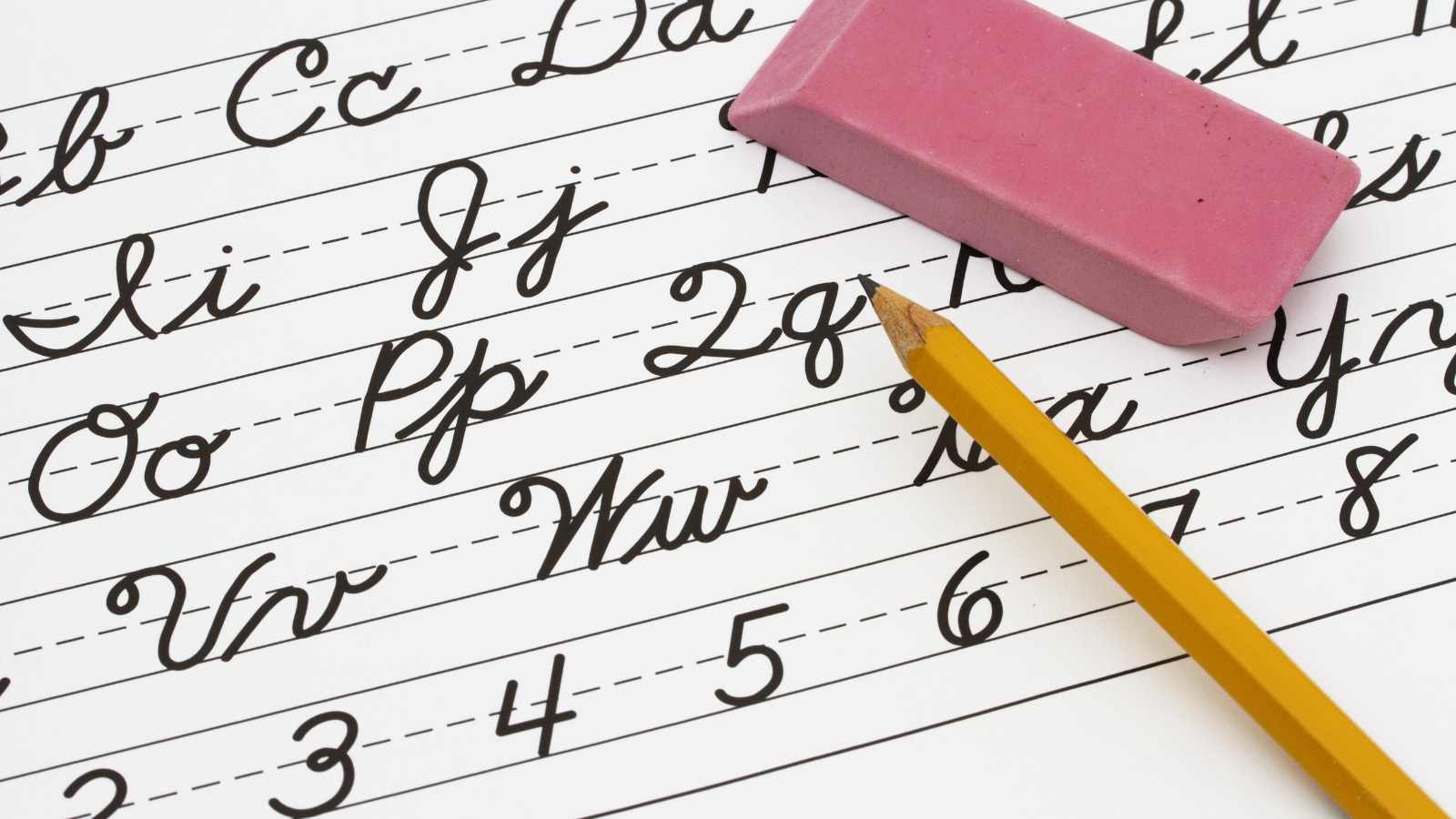
In a world dominated by digital communication, handwriting has become less of a priority. However, studies show that handwriting promotes cognitive development and aids memory retention. Writing by hand activates areas of the brain responsible for thinking, language, and working memory, providing significant cognitive benefits that typing alone cannot offer.
Handwriting, particularly cursive writing, improves motor skills and cognitive function by strengthening hand-eye coordination. It also encourages creativity, discipline, and focus, making it an essential skill for students of all ages.
Financial Literacy
Public Speaking

With the rise of sedentary lifestyles, physical education has become more important than ever. However, many schools have reduced or eliminated physical education programs in favor of academic pursuits. Physical education teaches students the importance of exercise, health, and wellness, skills that are crucial for maintaining long-term well-being.
Reintroducing comprehensive physical education programs in schools could help combat the growing obesity epidemic, promote mental health, and teach students how to maintain a healthy lifestyle. Physical education also fosters teamwork, discipline, and resilience, qualities that are beneficial both on and off the field.
Conclusion
As the world changes, so must education. However, not all changes have been for the better. By reintroducing these essential skills into school curriculums, we can ensure that future generations are not only academically prepared but also equipped with the practical knowledge and life skills needed to succeed in the real world.
From financial literacy to physical education, these skills are crucial for building a well-rounded, responsible, and empowered individual.


