7 Common Mistakes People Make After Eating

We’ve all heard the saying, “You are what you eat,” but it’s just as important to consider what you do after you eat. The habits you form post-meal can affect your digestion, energy levels, and overall well-being. While it’s easy to get distracted or fall into a routine after finishing a meal, some common mistakes can be sabotaging your health without you even realizing it.
Here are seven common mistakes people make after eating, and why you should be mindful of them.
Sitting or Lying Down Immediately

It’s tempting to kick back and relax right after a hearty meal, but that’s one of the worst things you can do for your digestion. When you lie down or sit still after eating, it can hinder your stomach’s ability to break down food properly. Gravity plays a key role in digestion, and reclining can lead to acid reflux, bloating, and discomfort.
To give your digestive system the best chance, take a short walk or at least stay upright for a while after eating. This helps food move through your digestive tract and reduces the risk of indigestion.
Drinking a Lot of Water Right After Eating
While staying hydrated is crucial, drinking large amounts of water right after eating can dilute your stomach acids and enzymes, making it harder for your body to break down food properly. This can lead to slower digestion, bloating, and discomfort. Instead of chugging a glass of water right after a meal, try sipping slowly if you feel thirsty.
Wait about 30 minutes to an hour before drinking large amounts of water to allow your body to digest food more efficiently.
Engaging in Intense Physical Activity
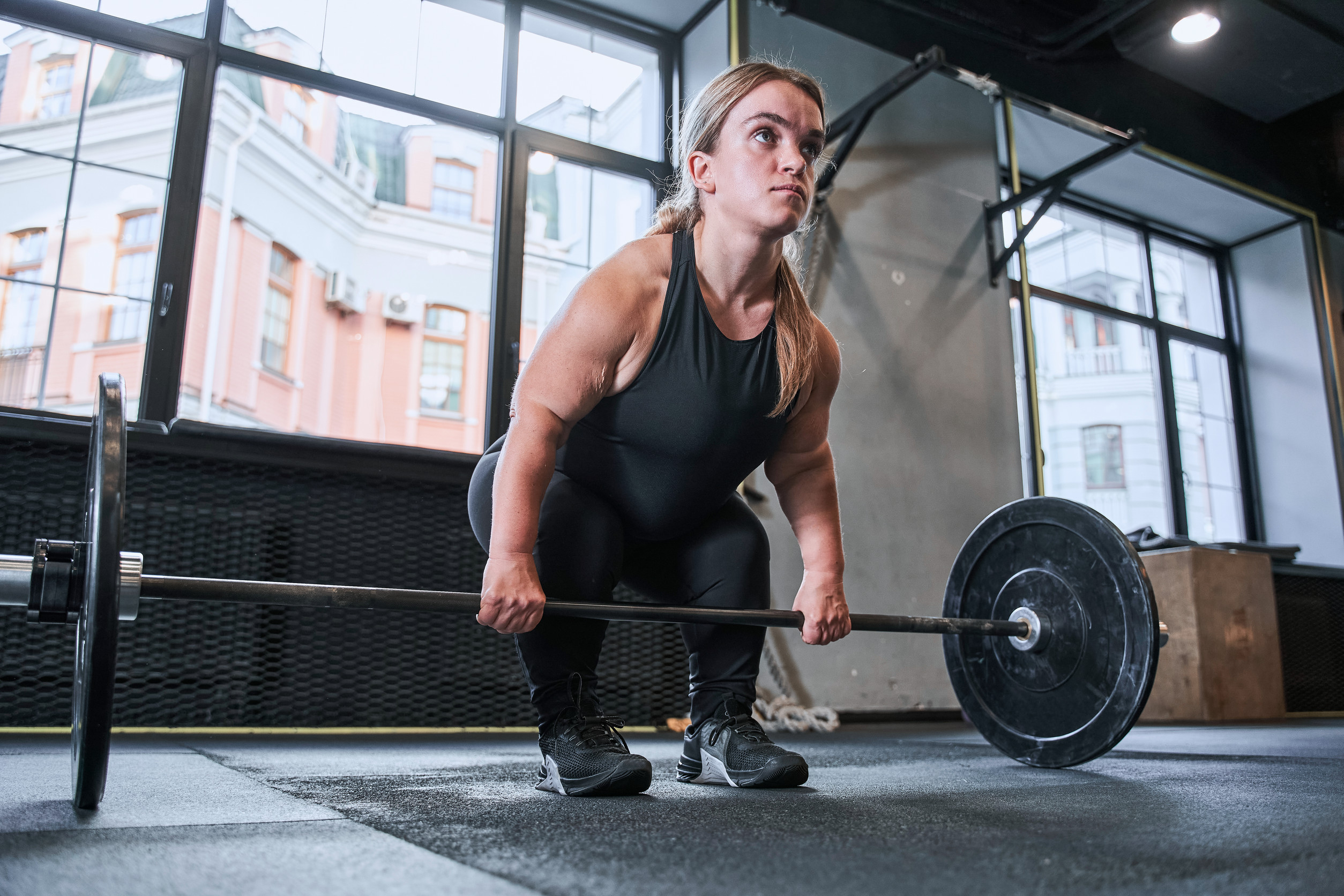
While light physical activity can help aid digestion, jumping into a strenuous workout right after eating can cause more harm than good. Your body needs energy to digest, and when you start intense exercise, the blood flow that should be directed to your digestive system is diverted to your muscles. This can result in cramps, nausea, and sluggish digestion.
If you want to exercise after eating, wait at least an hour for a light walk or gentle stretches, and leave the heavy lifting for later.
Eating Dessert Too Quickly

The temptation to dive into dessert right after finishing your main meal is real, but it can throw your body off track. After a meal, your body is focused on digesting the main course, and adding a sugary dessert right away can overwhelm your system. Not only does this spike your blood sugar, but it can also lead to digestive discomfort, including bloating and sluggishness.
If you really want that dessert, try waiting 20 to 30 minutes before indulging. This gives your stomach time to finish digesting the main meal, allowing you to enjoy the sweet treat fully.
Consuming Caffeine Immediately After Eating
Many people reach for a cup of coffee or tea right after eating, hoping to fight off that post-meal slump. While caffeine might give you an instant energy boost, it can actually interfere with digestion. Caffeine increases stomach acid production, which can cause acid reflux or indigestion.
Plus, drinking caffeinated beverages immediately after eating can interfere with the absorption of essential nutrients like iron and magnesium. If you can’t resist your coffee, wait at least 30 minutes after eating before enjoying it to avoid disrupting your digestion.
Overeating Just Because It Tastes Good
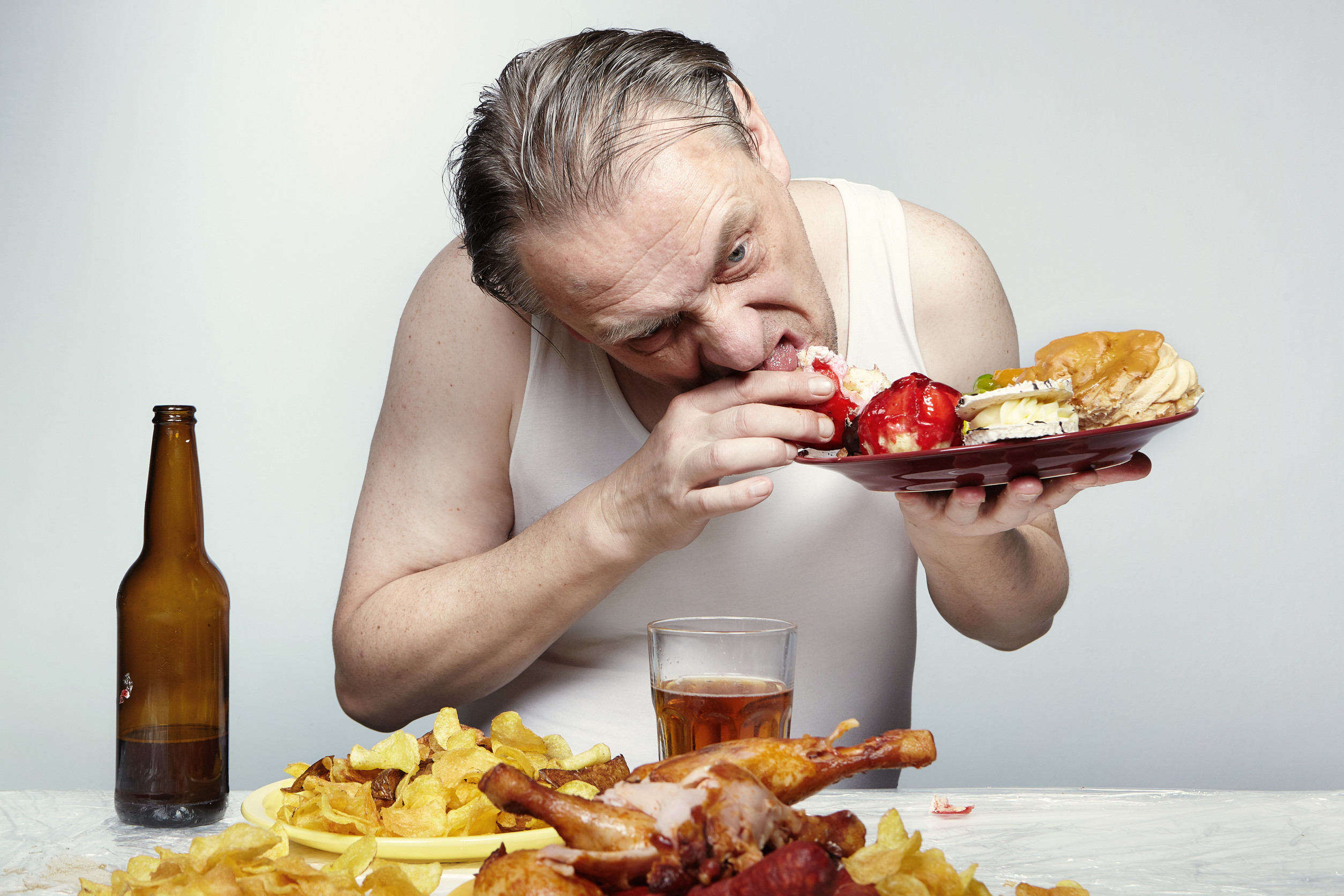
It’s easy to keep eating when your favorite foods are on the table, but overeating right after a meal can leave you feeling stuffed, uncomfortable, and sluggish. Your body takes time to signal to your brain that it’s full, and eating too quickly can override those natural cues.
Overeating can lead to bloating, indigestion, and even long-term weight gain. Listen to your body’s hunger signals and stop eating when you’re satisfied, not when you’re full. Allow yourself to enjoy your food, but don’t overdo it.
Ignoring Your Body’s Signals
Many people ignore how their bodies feel after eating. If you feel bloated, gassy, or sluggish, it’s a sign that something isn’t quite right with your digestion. Instead of pushing through discomfort, take a moment to assess what you’ve eaten and how your body is reacting.
These signals can help you identify food intolerances or habits that might be causing digestive issues. Pay attention to your body, and don’t dismiss uncomfortable feelings. Sometimes, small changes in your post-meal habits or your diet can make a big difference in how you feel.
Conclusion
The way you treat your body after eating can significantly affect how you feel and how well your digestive system works. Avoiding the common mistakes listed above can help you improve digestion, maintain energy levels, and prevent discomfort.
From standing tall after meals to avoiding overeating, minor adjustments in your post-meal routine can make a world of difference for your health. Your body will thank you for it.
Read the original Crafting Your Home.