7 Common Grocery Items You Might Be Overpaying For

In the current economic climate, where food prices are constantly rising, it’s important to assess our grocery shopping habits. Many of us unknowingly overpay for items that we could easily replace or buy smarter alternatives for.
By making a few simple adjustments in your purchasing decisions, you could significantly reduce your grocery bill without compromising on quality.
Bottled Water

Bottled water is one of the most overpriced items in most grocery stores. Although tap water in the U.S. is generally safe to drink, many consumers still choose bottled water out of habit or convenience.
A bottle of bottled water can easily cost several dollars, whereas a reusable water bottle and a water filter (if needed) can save you both money and reduce your environmental impact.
- Invest in a reusable water bottle and consider a filter pitcher or a tap filter. This small investment can easily pay off in the long run.
- If you’re concerned about the taste or quality of tap water, a filter can provide added peace of mind at a fraction of the cost of bottled water.
Pre-Packaged Produce
Pre-packaged produce such as pre-sliced apples, bagged salads, and chopped vegetables can be convenient, but they often come at a high premium. For example, pre-cut fruits and vegetables may cost up to twice as much as buying whole produce and preparing it yourself.
Beyond the cost, pre-packaged items typically have a shorter shelf life, meaning they might not be as fresh as their whole counterparts.
- Purchase whole fruits and vegetables instead of pre-packaged options. Not only will you save money, but you’ll also have control over portion sizes and freshness.
- Invest in simple kitchen tools, like a good knife or a food processor, to make meal prep faster and easier at home.
Brand-Name Cereals
Brand-name cereals often cost upwards of $5 per box, making them an expensive breakfast option, especially when families are feeding multiple mouths.
While the convenience and familiarity of popular cereal brands are undeniable, they are generally made from the same basic ingredients as store brands. The only real difference is the brand name and its marketing.
- Switch to store-brand cereals, which often contain the same ingredients as their more expensive counterparts but at a fraction of the price.
- Consider buying cereal in bulk if possible, as this can further reduce the cost per serving and cut down on trips to the store.
Single-Serve Snacks
Single-serve snacks like yogurt cups, bags of chips, or snack-sized portions of fruits often seem convenient but are much more expensive than larger sizes. Not only do these single servings cost more per unit, but they also come with unnecessary packaging that contributes to environmental waste.
- Buy larger containers of snacks, like a family-size bag of chips or a big tub of yogurt, and portion them out yourself. This will save you money and reduce waste.
- Reusable containers or snack bags can be a great investment for portioning snacks more cost-effectively.
Organic Products

Organic foods have become more popular due to their perceived health benefits. While it’s true that organic produce and goods are often grown with fewer pesticides, the premium price can be too steep for many consumers.
Additionally, not all organic products are worth the extra cost, especially for items that aren’t exposed to pesticides in the first place.
- Prioritize purchasing organic items for the “Dirty Dozen” (a list of fruits and vegetables that tend to have higher pesticide residues). For others, consider purchasing conventional produce to save money.
- Buying organic products in bulk or at farmers’ markets can also help reduce the cost.
Prepared Meals
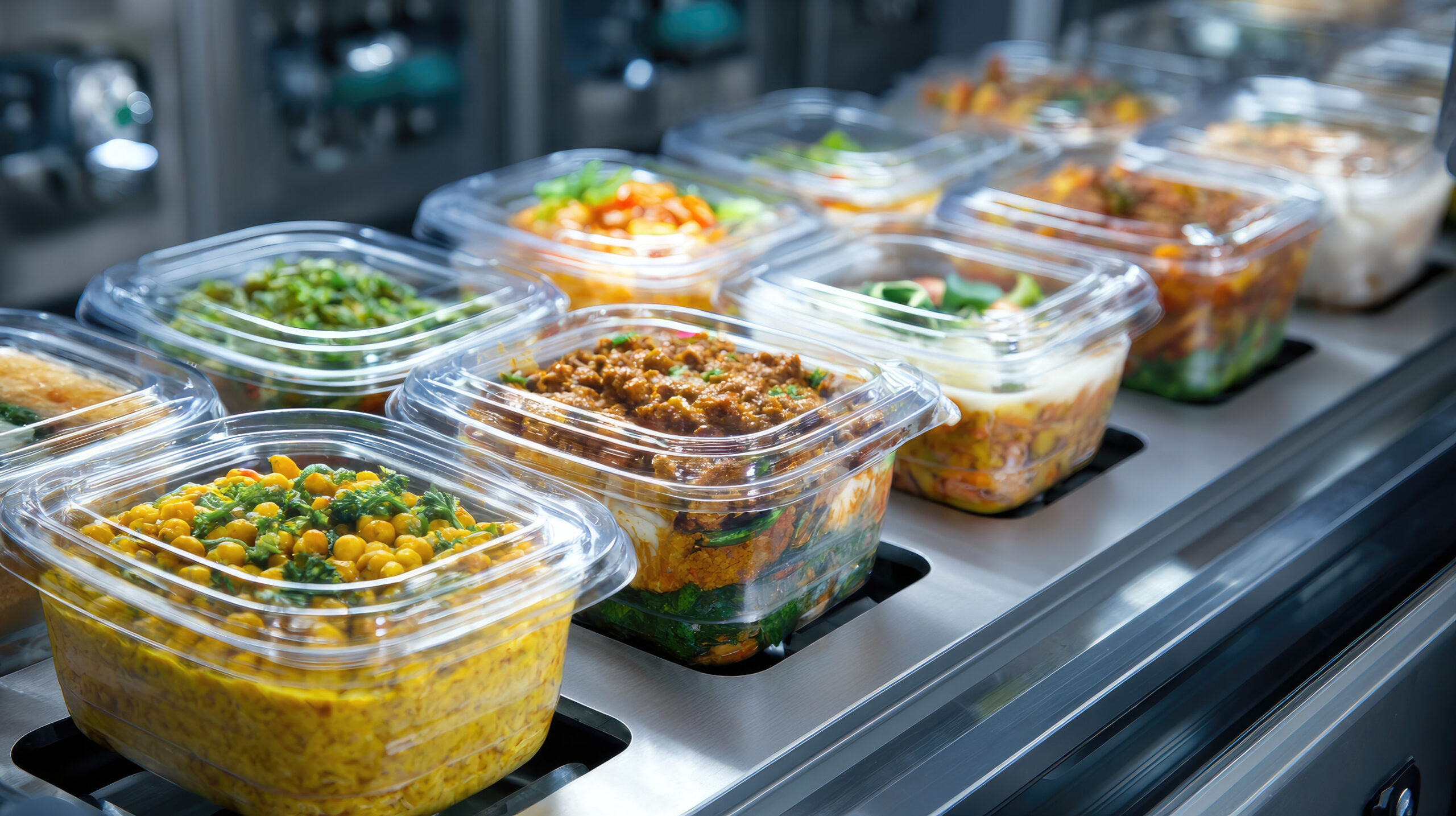
Prepared meals, whether purchased from the deli or pre-packaged in the grocery store, offer convenience but come with a hefty price tag. These meals are often priced much higher than if you bought the ingredients and prepared them at home. While they may save you time, they are not the most cost-effective option.
- Plan your meals for the week and buy ingredients in bulk to prepare them yourself. Cooking in batches can also save you time and money throughout the week.
- Take advantage of sales on frozen ingredients and seasonal produce to create meals that are both delicious and affordable.
Cleaning Supplies

Many grocery stores charge inflated prices for cleaning supplies, particularly for brand-name products. However, simple household ingredients like vinegar, baking soda, and lemon juice can be just as effective in cleaning your home for a fraction of the cost.
- Make your own cleaning solutions using common household ingredients. For example, vinegar and baking soda can be used to clean surfaces, eliminate odors, and even unclog drains.
Conclusion
In today’s world, where food prices are soaring, it’s more important than ever to be aware of where your money is going. By making conscious decisions and avoiding overpriced grocery items, you can save a significant amount each month.
Small changes in the way you shop, such as switching to store-brand products, buying in bulk, or preparing meals at home, can have a big impact on your budget and overall financial health. As you become more aware of these common items you may be overpaying for, you’ll be able to make smarter choices that will help you keep more money in your pocket.
With a little planning and effort, you can lower your grocery bill without compromising on the quality of what you eat and use. Start today and watch how much you can save!