

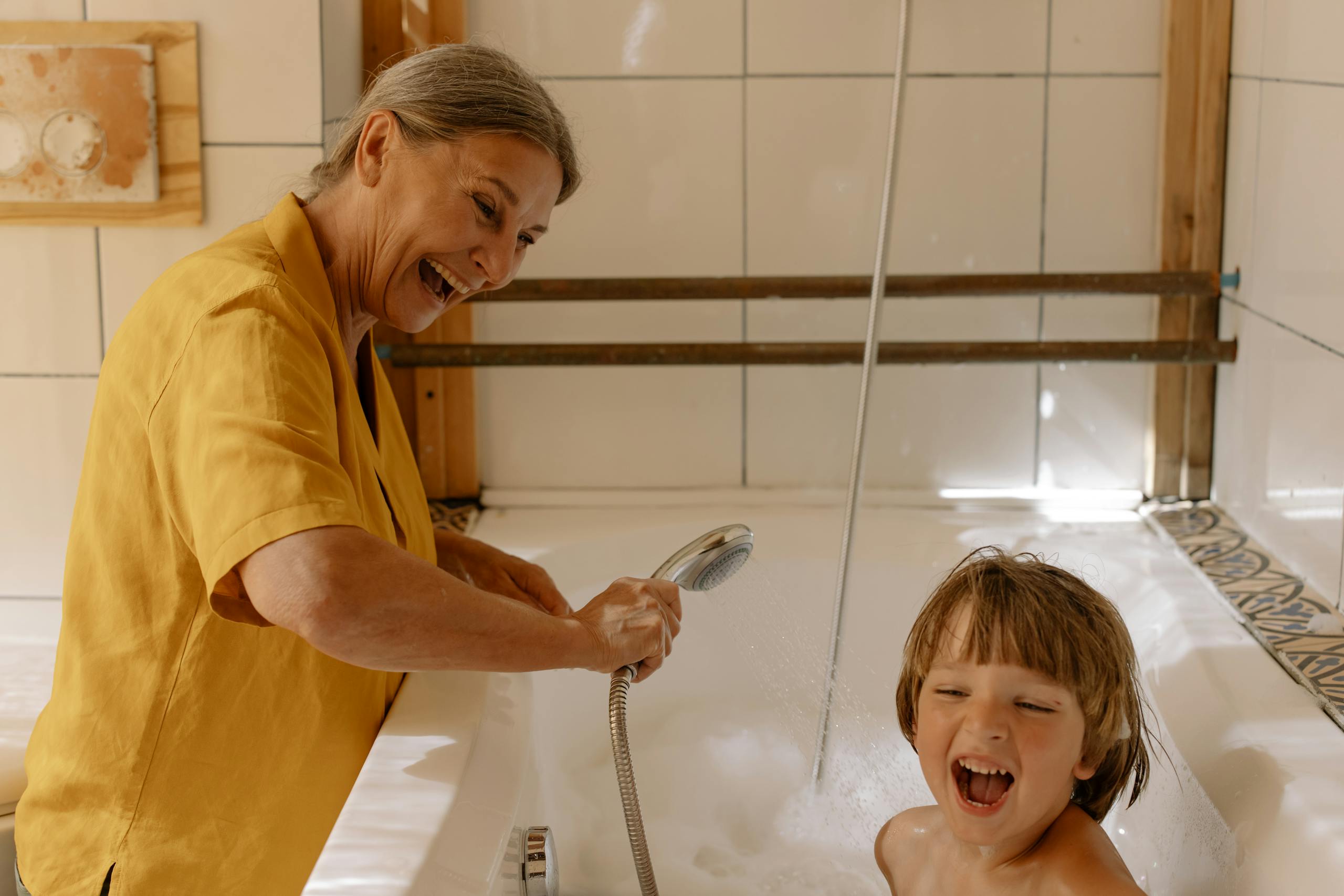
Water is one of the most vital resources we rely on daily, but it’s easy to overlook just how much we consume until the bill arrives.
If you’re looking to cut down on unnecessary water usage and reduce your environmental footprint, understanding where your water is going is crucial.
From the obvious culprits like toilets to the sneaky offenders like leaky faucets, many everyday household activities can be water-intensive without you even realizing it.
This article dives deep into the seven major areas where your home is likely wasting the most water and offers practical solutions to help you conserve more, save money, and make your home more eco-friendly.
Toilets
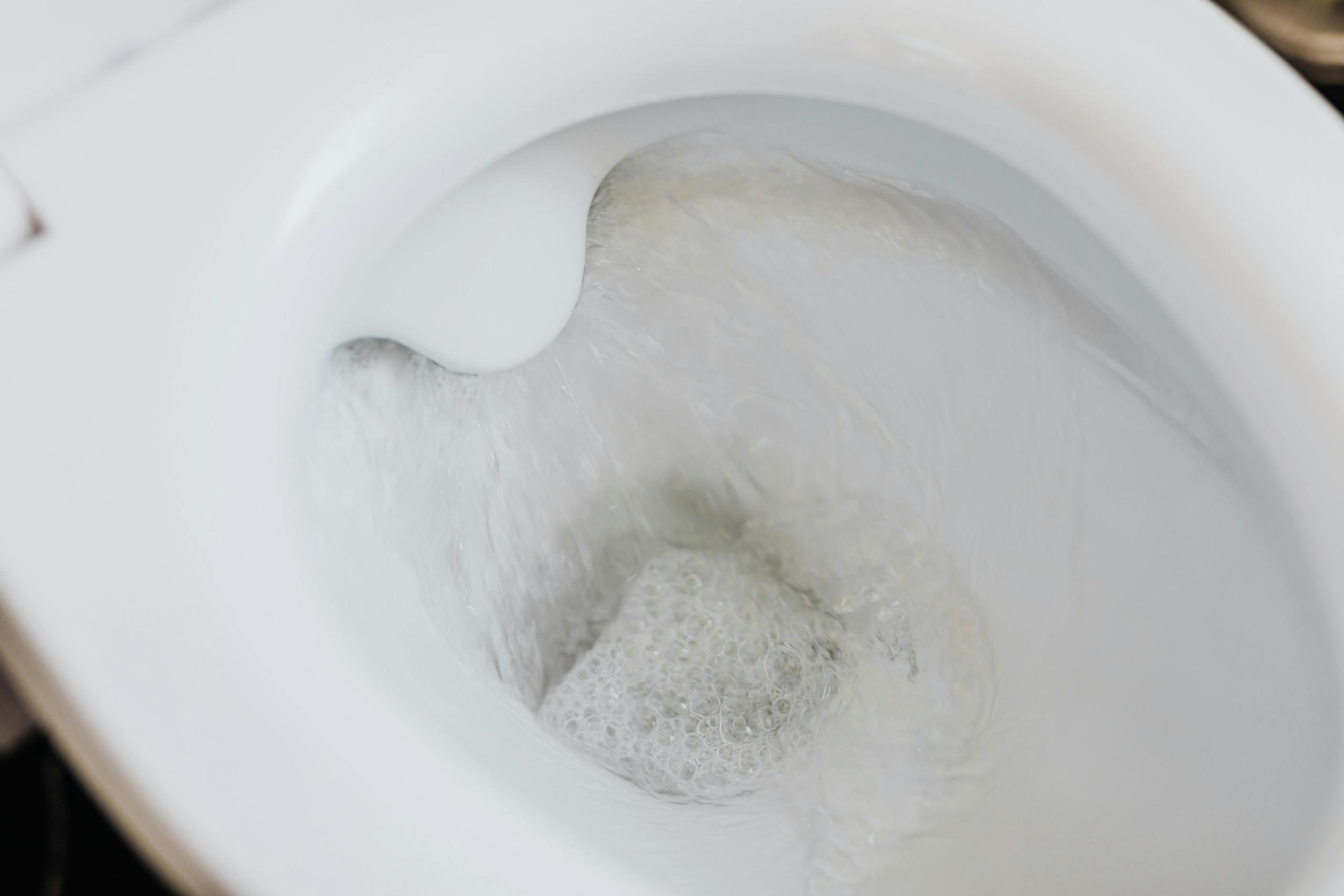
Toilets account for the largest portion of household water consumption, using a staggering 33 gallons daily.
The good news is that modern solutions can help reduce this consumption. Consider switching to a low-flow toilet, which can cut water usage by 20–60%.
Additionally, adjusting the water level in your tank or investing in a dual-flush toilet can make a noticeable difference. Be mindful of what you flush as well, as improper items can lead to unnecessary water usage.
Shower
Showering is another major water consumer, with each shower using up 27 gallons on average. To reduce this number, you can upgrade to a low-flow showerhead, which maintains a strong spray while using less water.
Reducing the length of showers and turning off the water while lathering or shaving can also help keep water use in check.
Faucets
Faucets may seem inconspicuous, but they add up to a significant portion of your water bill. Whether in the bathroom or kitchen, faucets can waste gallons of water if not used mindfully. To reduce usage, avoid letting the water run while washing dishes, brushing your teeth, or doing other tasks.
Also, consider installing aerators on your faucets, which reduce water flow without sacrificing pressure.
Washing Machine
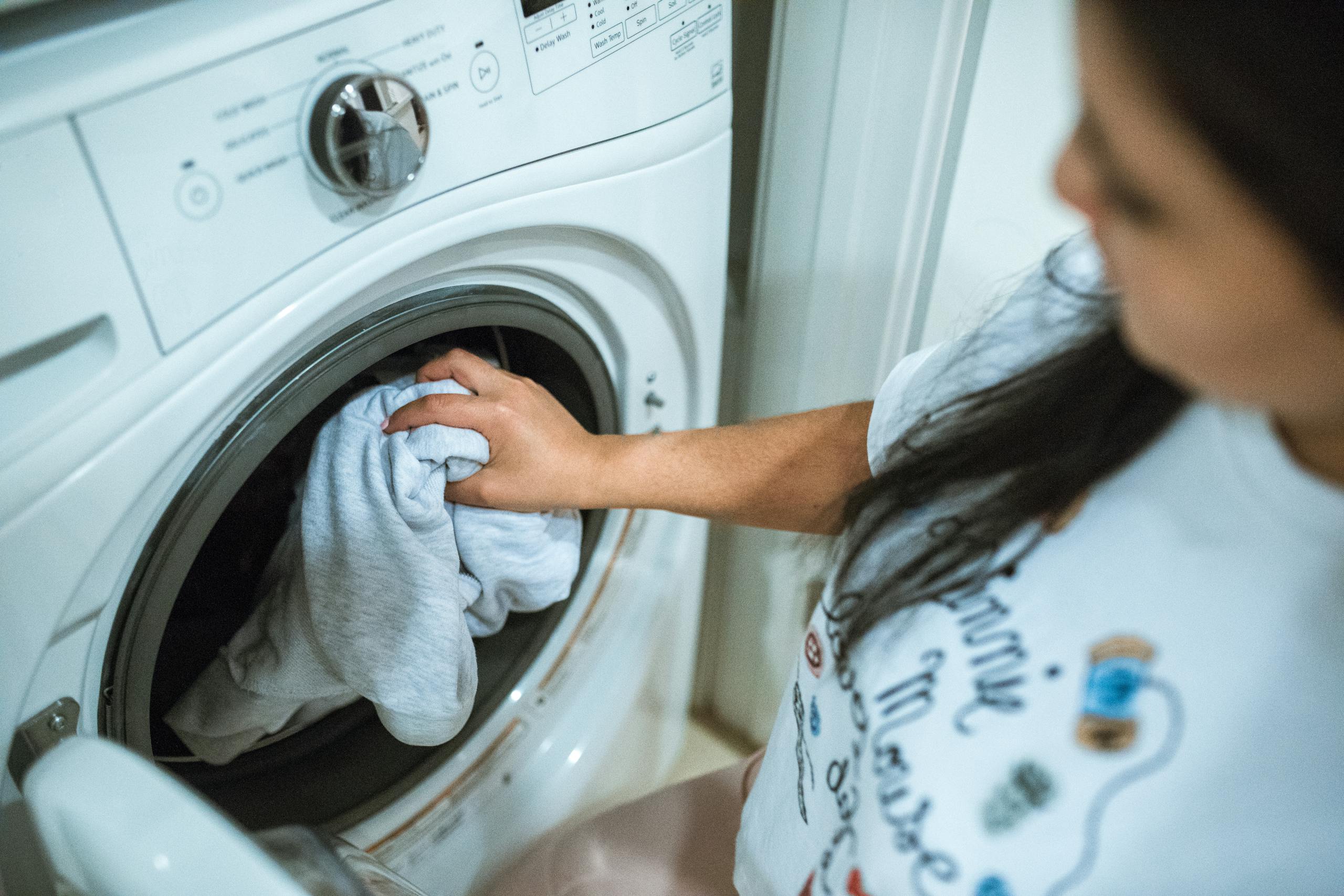
Your washing machine is a substantial water consumer, using around 22 gallons per day. To optimize water usage, ensure your washer is set to the appropriate load size and use the correct amount of detergent.
Additionally, try to save laundry for larger loads rather than running smaller, more frequent cycles. High-efficiency washers use less water, making them an excellent investment for long-term savings.
Leaks
Leaky faucets and pipes can account for significant water waste, adding up to 18 gallons of wasted water daily. Regularly check for leaks around your home, and repair them promptly.
Even a small drip can lead to hundreds of gallons wasted over time. Fixing leaks not only saves water but also reduces your utility bills.
Bathtubs
Although not as significant as toilets or showers, bathtubs still consume a fair amount of water. Filling a bathtub can easily use up 30–50 gallons, depending on the size.
To conserve water, limit the frequency of baths or consider installing a water-saving bathtub model. Taking shorter baths and reducing water levels can also help curb usage.
Dishwashers
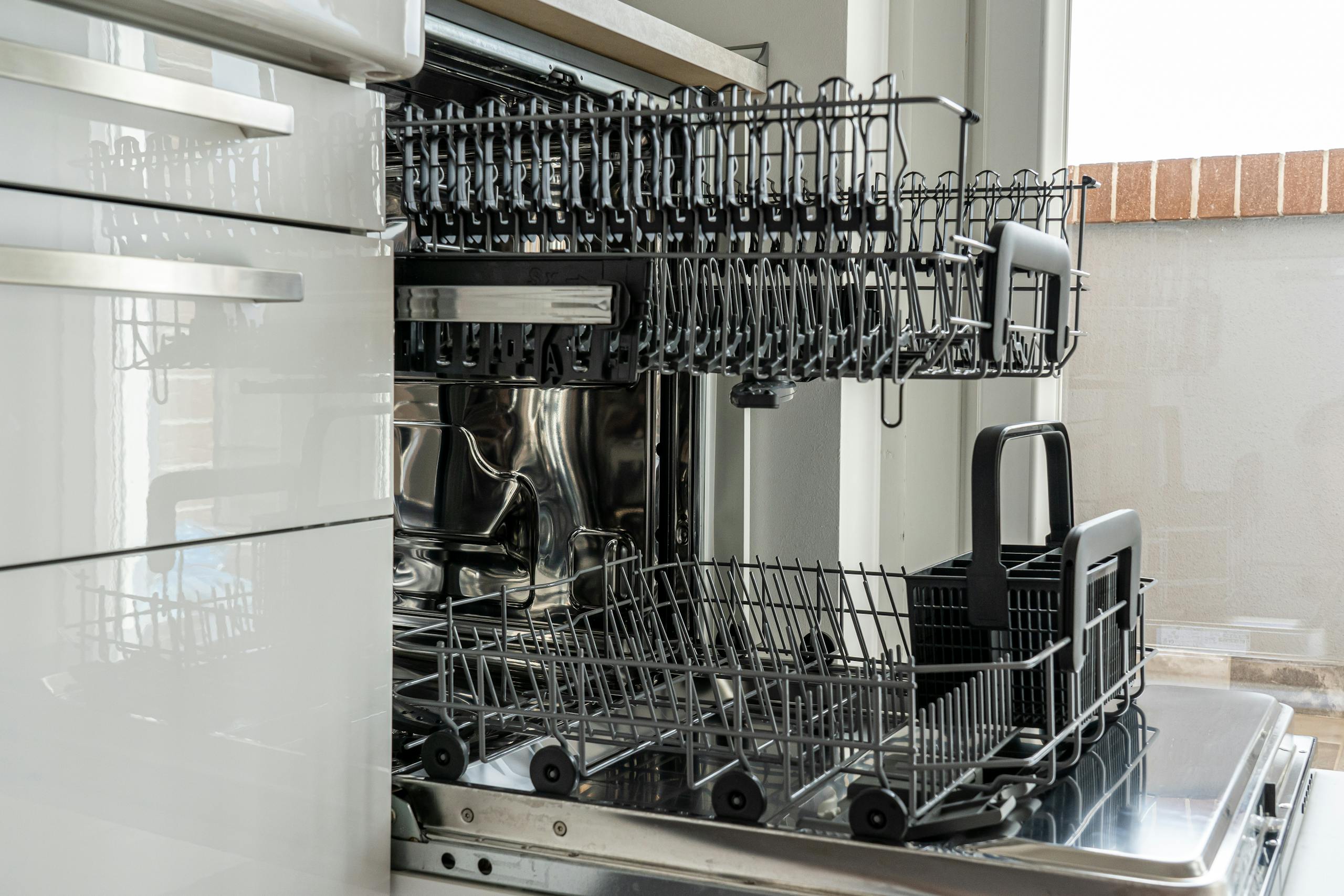
Dishwashers are relatively water-efficient but still consume around 2 gallons of water daily. To minimize water waste, ensure that your dishwasher is fully loaded before running a cycle.
Scraping off dishes without rinsing them before placing them in the dishwasher can also save water. Lastly, avoid using the pre-rinse function, which often consumes unnecessary water.
Ways to Save Water in the Bathroom
The bathroom is a major area for water consumption, but with a few adjustments, you can make significant savings. Installing low-flow toilets and showerheads is a good starting point.
In addition, being mindful of small habits, such as turning off the faucet while brushing your teeth and limiting shower time, can collectively add up to substantial water savings.
Ways to Save Water in the Kitchen
In the kitchen, the dishwasher can consume a lot of water, but only if it’s run with partial loads.
Ensure your dishwasher is completely full before starting a cycle, and use energy-efficient models that minimize water usage.
Another tip is to avoid running water while scrubbing dishes. A quick rinse is often sufficient before loading the dishes into the machine.
Ways to Save Water with Laundry
When doing laundry, always use the appropriate load size for your washing machine. High-efficiency washers use less water and detergent.
By saving laundry for larger loads, you reduce the frequency of cycles, which directly leads to water conservation. Additionally, washing clothes in cold water saves not only water but also energy.
Conclusion
By understanding and addressing the primary sources of water usage in your home, you can make informed decisions to conserve this vital resource.
Whether you’re upgrading to more efficient appliances, fixing leaks, or simply being more mindful of your daily water habits, these small changes can make a big difference in the long run.
Saving water isn’t just an environmentally responsible choice, it’s also a smart financial move that can significantly reduce your household bills over time. Start implementing these strategies today, and you’ll see the benefits for both your wallet and the planet.


