6 weird things people actually found attractive in the 1970s
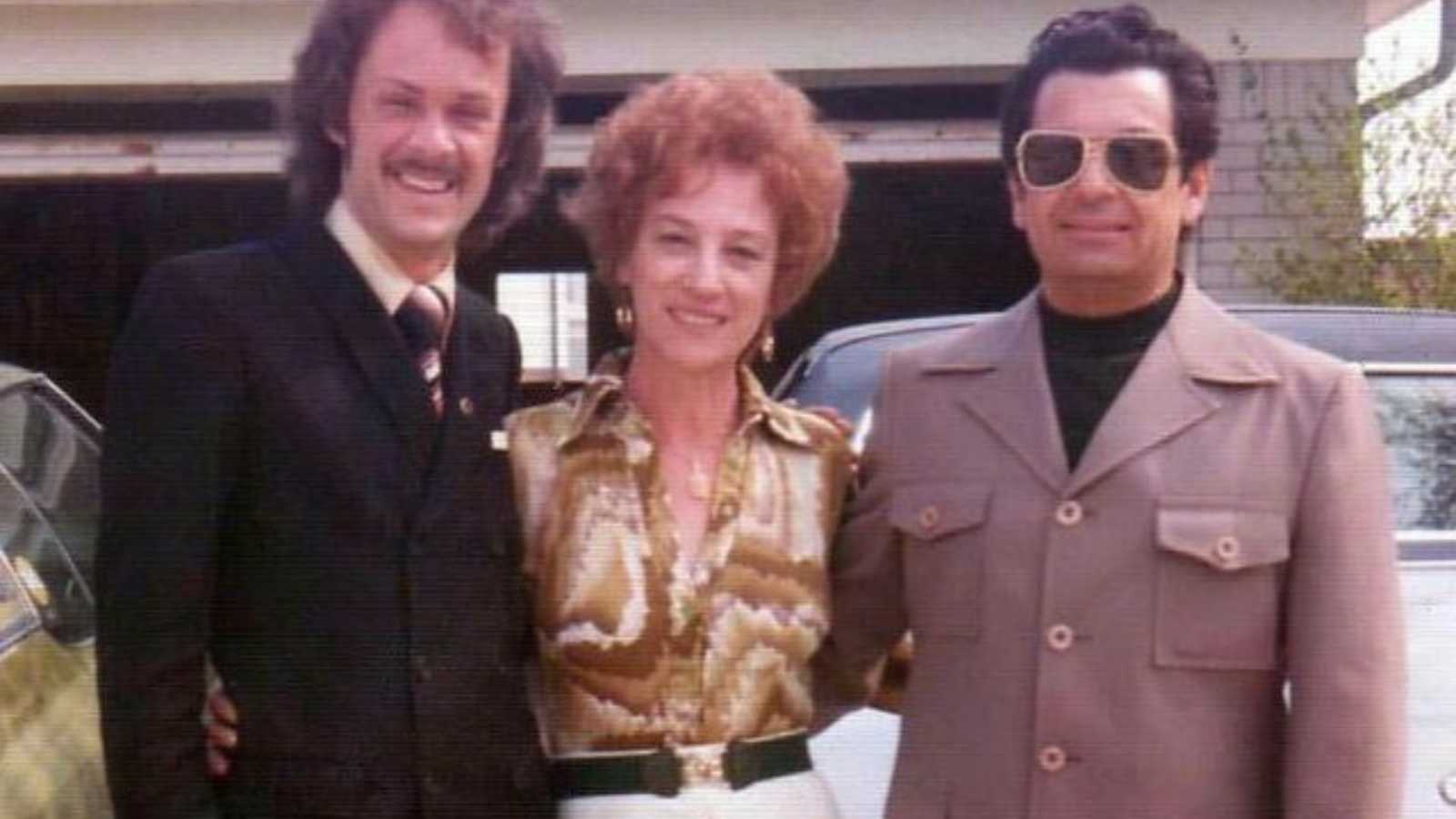
Hold onto your bell-bottoms, because we’re about to take a wild ride through the decade that taste forgot. The 1970s weren’t just a time of political upheaval; it was a distinctive era where fashion and grooming took a sharp, questionable turn toward the synthetic and the hairy. While we look back and cringe, folks back then genuinely thought these looks were the peak of human evolution. Historical data reveal a massive shift during this time; by the mid-1970s, synthetic fiber production, such as polyester, was exploding, forever changing how Americans dressed.
Sociologist Tom Wolfe famously dubbed this the “Me Decade,” and that narcissism fueled some truly bizarre attraction signals. You might ask, “Why did everyone look like they were covered in plastic or fur?” Well, experts suggest this aesthetic clash between the “natural” body and “synthetic” clothing defined the era’s sex appeal. Let’s dig into the weirdest trends people actually swooned over.
The polyester leisure suit phenomenon
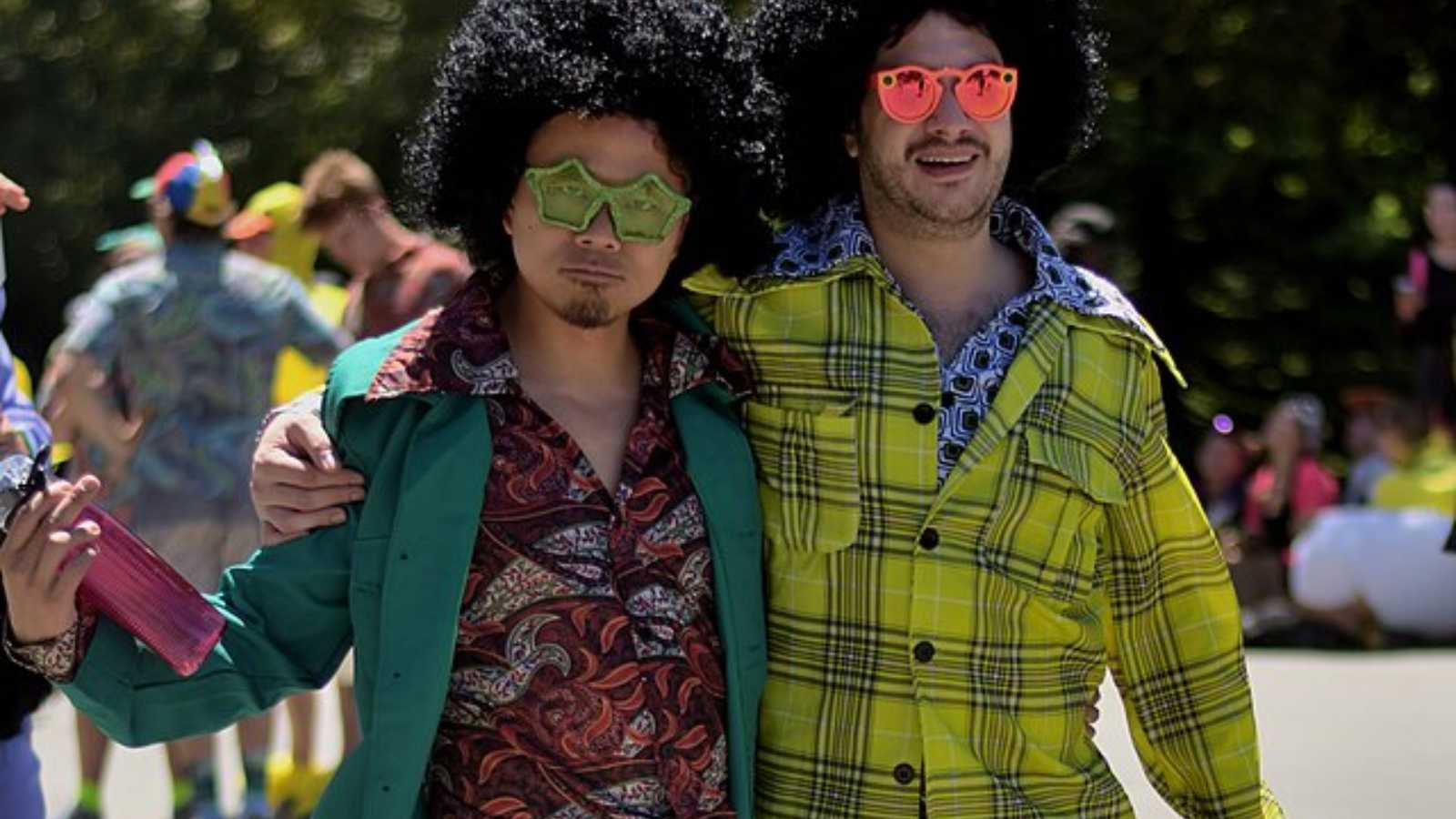
You can’t talk about the 70s without addressing the elephant in the room: the leisure suit. This wasn’t just clothing; it was a walking fire hazard. Designers marketed polyester as a “miracle fiber” that freed us from the tyranny of ironing, and Americans bought it in droves. By the 1970s, polyester production ramped up to challenge cotton’s dominance, making these suits accessible to everyone from high rollers to your dad.
I once found a vintage sea-green leisure suit at a thrift store, and let me tell you, the static shock alone could power a small village. Dupont marketed fabrics like Qiana nylon as luxurious silk alternatives, convincing a generation that sweating inside a plastic casing was the height of sophistication. The attraction here wasn’t about comfort; it was about projecting a modern, effortless “wash-and-wear” lifestyle.
The explosion of male chest hair
While the suits were plastic, the men inside them needed to prove they were still primal beasts. In April 1972, Cosmopolitan magazine shattered taboos by publishing a nude centerfold of Burt Reynolds, sprawling on a bearskin rug with a full mat of chest hair. That single issue sold a staggering 1.5 million copies, proving that the “hairless” look of the 50s was dead and buried.
- Virility Signaling: A hairy chest signaled high testosterone and “natural” masculinity.
- The “Medallion Man”: Men framed their chest rugs with gold chains and unbuttoned shirts.
Sociologists note that this obsession with body hair served as a counter-balance to the shifting gender roles of the time. Basically, if you didn’t look like you could wrestle a bear, you weren’t trying hard enough.
The mustache acceptance curve

If you think the current mustache trend is big, it’s got nothing on the 70s. According to data cited by the American Mustache Institute, in 1970 an incredible 89% of Americans found mustaches acceptable, a figure that crashed to 16% by the early 2000s. This facial furniture wasn’t ironic back then; it was a sincere badge of adulthood and ruggedness.
Ever wondered why every cop show from that era features a lead with a “stache”? It became the uniform of authority. From the “chevron” style of Tom Selleck to the handlebars of counter-culture bikers, the mustache bridged the gap between the establishment and the rebels. This trend hit the razor industry hard, forcing companies like Gillette to pivot their marketing strategies entirely.
Platform shoes and orthopedic regret
We sacrificed our ankles for height in the 70s. Platform shoes remain one of the few fashion trends in history in which men and women competed to see who could wear the highest heels. Consumer advocates like Ralph Nader actually criticized these shoes in 1978, highlighting reports that called them “torture” for the feet.
- Design: Cork, plastic, or wood soles often reaching 4–5 inches.
- Risk: “Disco ankle” (inversion sprains) became a genuine medical complaint.
I tried on a pair of vintage platforms once and nearly toppled over just standing still. Despite the medical risks, people loved the “theatricality” of the shoe, which elongated the leg and forced a strutting walk perfect for the disco floor.
The cyan gaze of blue eyeshadow
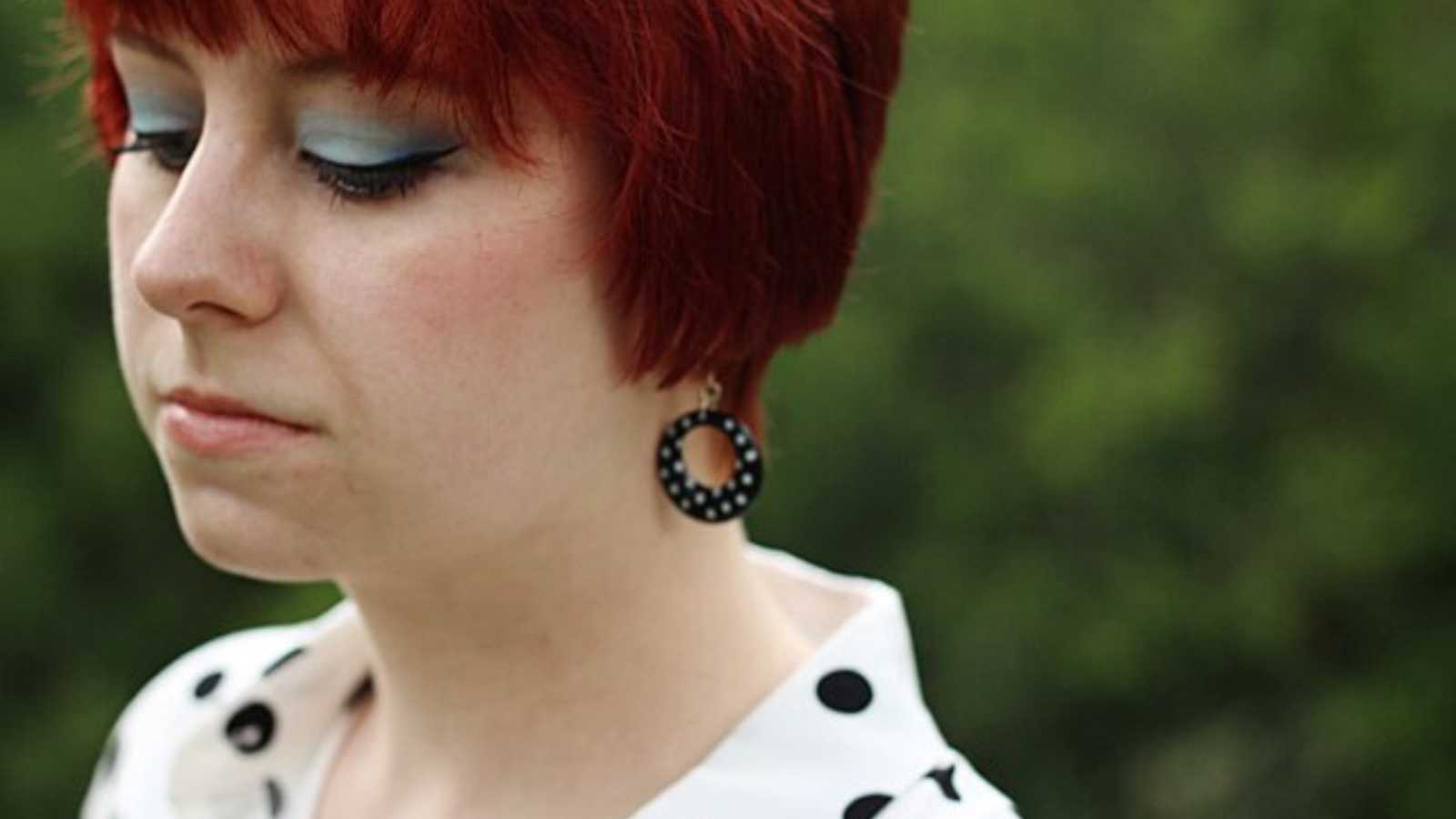
While the guys grew their hair out, the ladies painted their eyelids pastel blue. This specific shade became the cosmetic signature of the decade, driving companies like Revlon to massive profits. Following the launch of their “Charlie” fragrance and cosmetics line in 1973, Revlon’s net sales jumped to over $606 million by 1974.
The look rejected the “no-makeup” hippie aesthetic in favor of unapologetic artifice. Women applied frosted blue shadow from lash to brow, creating a “doe-eyed” look that popped under strobe lights. It looks like a cartoon today, but back then, it signaled you were a “modern woman”, fun, independent, and ready to party.
The male perm revolution
Perhaps the weirdest trend of all: men chemically curling their hair to look like poodles. Inspired by the natural volume of the Afro and the “Greek God” curls of rock stars, straight-haired men flocked to salons for “body waves.” The home perm market exploded, with brands like Toni and Lilt capitalizing on guys who wanted that Mike Brady look.
Have you ever smelled a perm solution? It smells like rotten eggs and regret. Yet, the “curly look” softened the male image, aligning with the “sensitive man” archetype popular in soft rock culture.
Key Takeaway

The 1970s prove that attractiveness is entirely subjective and heavily influenced by the cultural moment. From polyester suits to hairy chests, these trends reflected a society obsessed with blending futuristic synthetics with primal biological signals. While we might laugh now, these bold choices paved the way for modern self-expression.
So, next time you judge a fashion trend, just remember: someone in 1974 thought a permed man in a leisure suit was the hottest thing on Earth.
Read the Original Article on Crafting Your Home.