6 useless things Americans waste money on that keep them poor
You’re likely broke, and it’s not entirely your fault, but you’re definitely helping the cause. In 2025, a staggering 67% of Americans reported living paycheck to paycheck, even those pulling in six figures, according to Investopedia. We often blame inflation or the housing market, but take a hard look at your bank statement.
You might find a graveyard of “ghost money”, cash that vanishes on convenience and ego without leaving a trace. Financial psychology suggests we prioritize immediate dopamine hits over long-term security, essentially eating our own future.
Let’s be real: most of us are bleeding cash on things we don’t need to impress people we don’t like. If you want to stop feeling like a hamster on a financial wheel, you need to plug these six massive leaks immediately.
Food delivery apps: The lazy tax
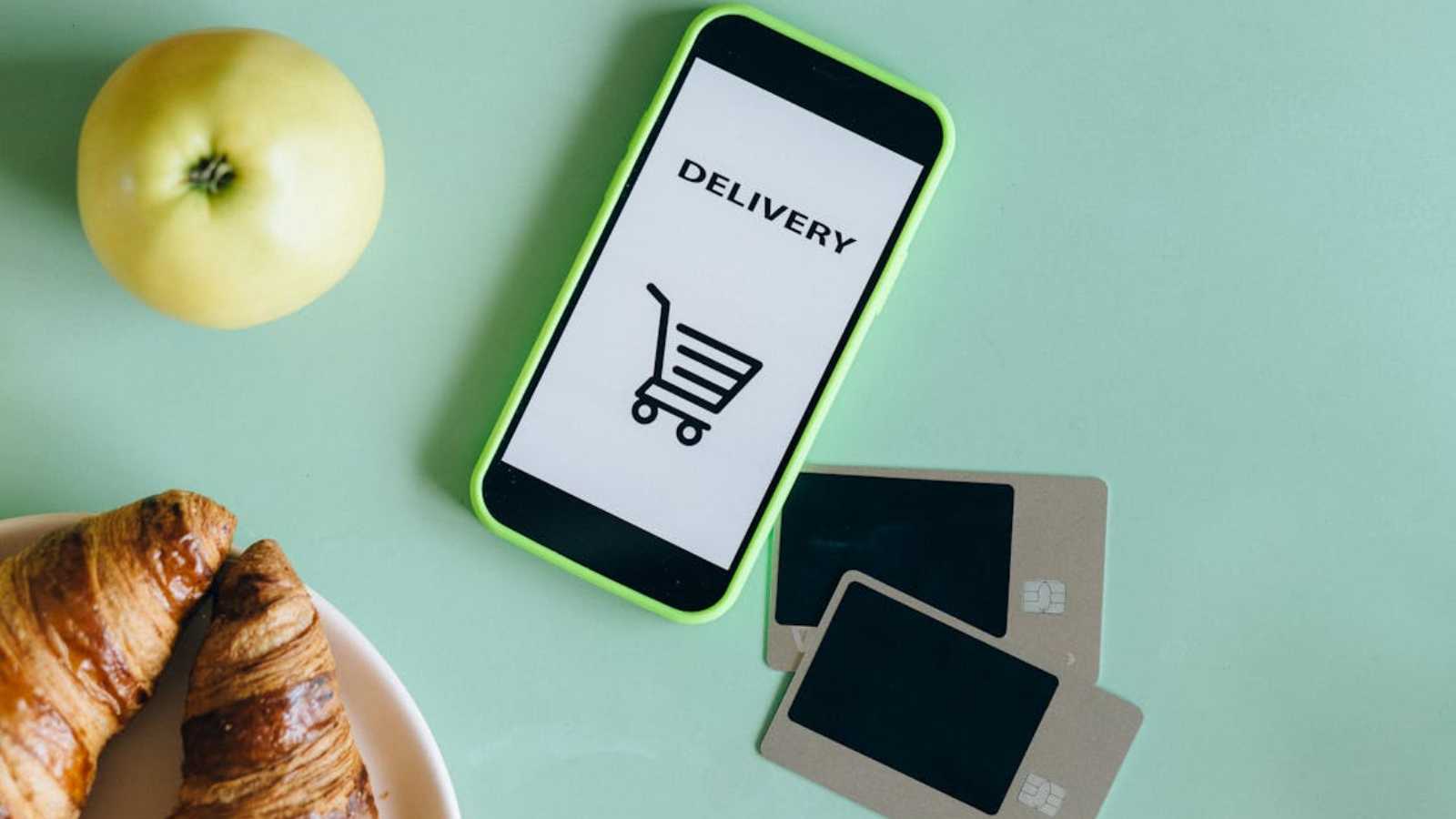
We’ve all been there, tired, hungry, and staring at a fridge full of ingredients that require effort. But tapping “order” is costing you a fortune. Data shows that 65% of Gen Z use delivery apps regularly, and the average American now spends about $118 every month on delivery fees and markups. That’s over $1,400 a year you could have invested!
Here’s the kicker: ordering delivery costs roughly five times more than cooking the same meal at home. You aren’t just paying for the burger; you’re paying for the driver, the app’s cut, and the service fee. As financial shark Kevin O’Leary bluntly puts it, buying $15 sandwiches is “pure stupidity” that drains your potential investment capital. Learning to cook a simple pasta dish is the fastest raise you’ll ever give yourself.
The new car trap
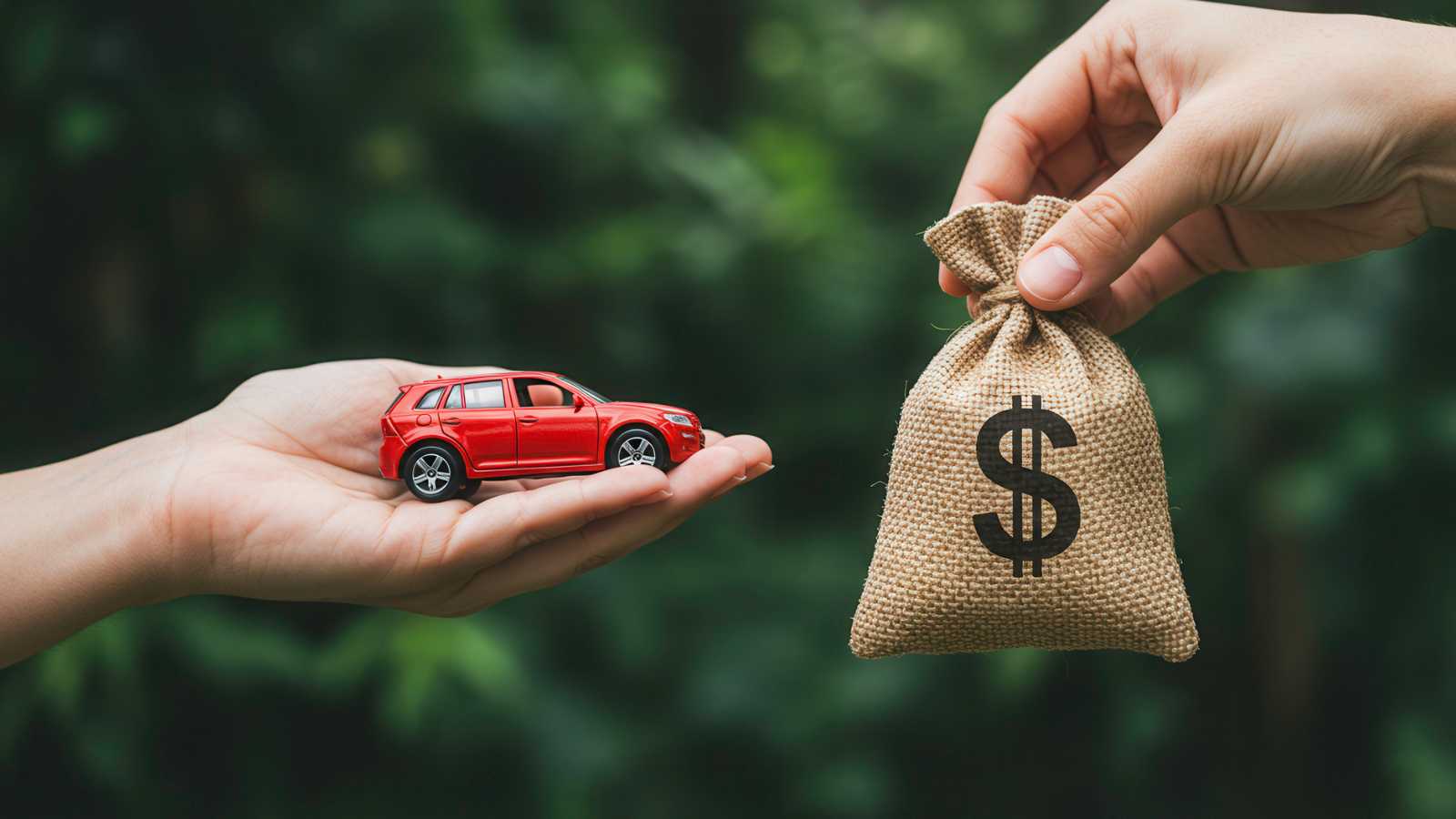
Nothing screams “I’m bad with money” quite like a brand-new car in the driveway of a rented house. As of late 2025, the average monthly payment for a new vehicle hit a record-breaking $748. That is a mortgage payment in some parts of the country! You drive that shiny metal box off the lot, and it instantly loses about 11% of its value—basically, you just threw thousands of dollars out the window for that “new car smell”.
Financial guru Dave Ramsey calls this the “Stupid Zone”, when your car creates a financial crisis. Real wealth whispers; it doesn’t shout. Studies show that the average millionaire drives a car that is four years old with 41,000 miles on it. They let someone else take the depreciation hit. Why pay a premium to look rich when you could actually be rich?
Lottery tickets: A tax on hope
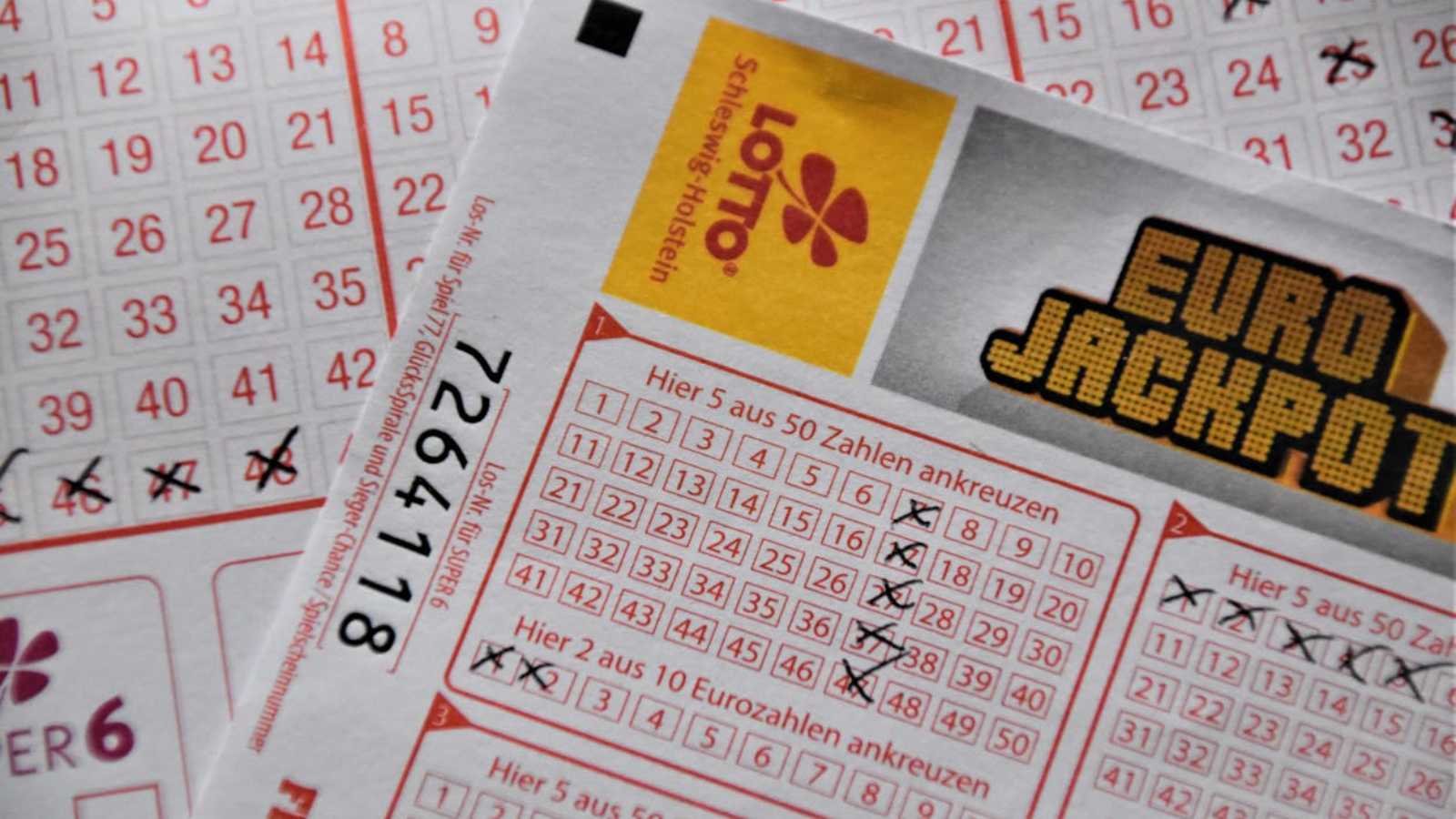
We love to dream big, but playing the lottery is mathematically disastrous. Americans spent over $113 billion on lottery tickets recently, with low-income households shelling out nearly $412 a year on this pipe dream. The odds of winning the Powerball are about 1 in 292 million; you have a better chance of becoming a movie star or getting struck by lightning.
Instead of lighting money on fire for a “hope tax,” run the numbers on investing that cash. If you put that monthly lotto budget into an S&P 500 index fund for 30 years, you’d likely end up with over $450,000. That’s a guaranteed jackpot you build yourself, no luck required.
Bottled water: The liquidity scam
Marketing executives convinced us that tap water is gross and bottled water is “pure,” charging us a 2,000% markup for the privilege. We spend billions annually on something that flows almost for free from our kitchen sinks. In fact, a report by NRDC indicates that 25% of bottled water is just filtered municipal tap water anyway.
- Cost of Bottled Water: ~$1.22 per gallon
- Cost of Tap Water: ~$0.004 per gallon
Buying bottled water is technically insane when you do the math. Plus, recent studies found microplastics in 93% of bottled water brands. Get a $30 filter and keep the plastic out of your body and your wallet.
Unused subscriptions: The inertia tax

You signed up for that streaming service to watch one show three years ago, and you’re still paying for it. Sound familiar? According to Self, a 2024 study found that 54.9% of people pay for subscriptions they don’t use, wasting roughly $127 a year. Companies bank on your laziness; they know you’ll forget to cancel.
Audit your bank statement today. Do you really need three different music apps? These “vampire costs” suck the life out of your budget silently. Cancel them all and see what you actually miss. Spoiler: probably nothing.
Fast fashion: Disposable income literally trashing the planet
We buy clothes we wear twice and then toss them, a habit that generates 81.5 pounds of textile waste per person annually. Fast fashion is cheap for a reason: it falls apart. You spend $20 on a shirt every month because the last one shredded in the wash.
This cycle keeps you poor because you never own quality assets. It’s the “Boots Theory” of economics: buying cheap junk is expensive over time. Save up, buy one high-quality item that lasts years, and stop treating your closet like a landfill.
Key Takeaway
Wealth isn’t about how much you make; it’s about how much you keep. These six habits, delivery, lotto, new cars, bottled water, subscriptions, and fast fashion, are convenience fees that rob your future. Plug these leaks, invest the difference, and watch your bank account grow. Your future self will thank you.
Read the Original Article on Crafting Your Home.