6 Surprising Things You Never Knew About Snow

Snow has a way of transforming the world into a serene winter wonderland. From snow-covered mountains to the quiet stillness of snowflakes falling from the sky, it captivates us in more ways than one.
Yet, despite its beauty, there is much more to snow than meets the eye. Beyond the common knowledge of its chilly touch, snow holds secrets that many of us are unaware of.
These fascinating facts will give you a deeper understanding of snow’s amazing power and characteristics.
Snowflakes Aren’t Always White
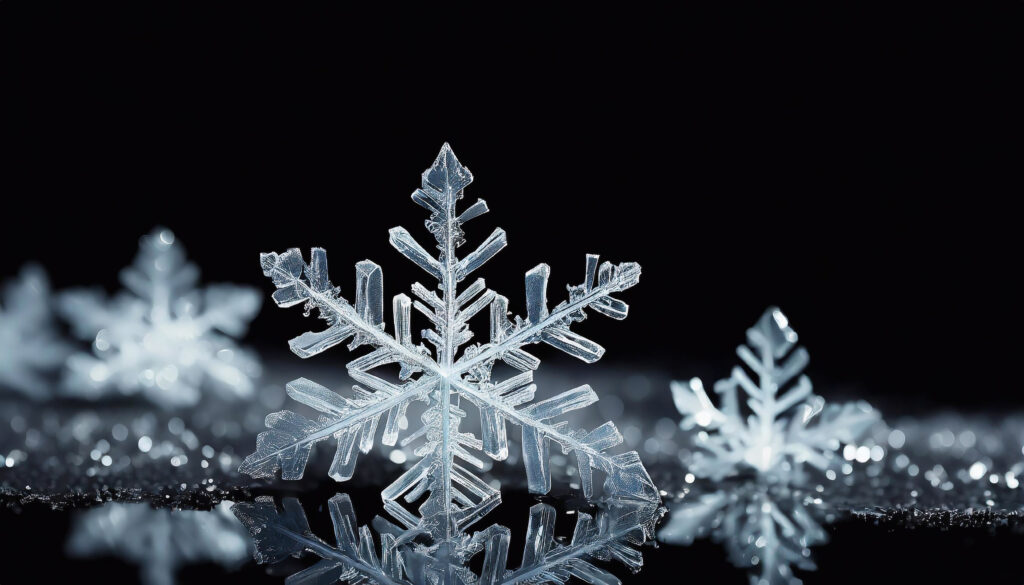
The color of snow is something we all take for granted. When we see a blanket of snow, we immediately associate it with whiteness. However, this iconic white appearance is an optical illusion. Snowflakes themselves are actually clear, and their white color comes from the way they scatter light.
Each snowflake has a crystalline structure with multiple facets that reflect and refract light in various directions. When light passes through the snowflake, it gets scattered, blending all colors of the spectrum and making the snow appear white to the naked eye. Interestingly, snow can sometimes appear blue when light penetrates deep into the snowpack, with the blue hue being the result of the absorption of red light as it travels through the snow.
Snow Can Be Naturally Red
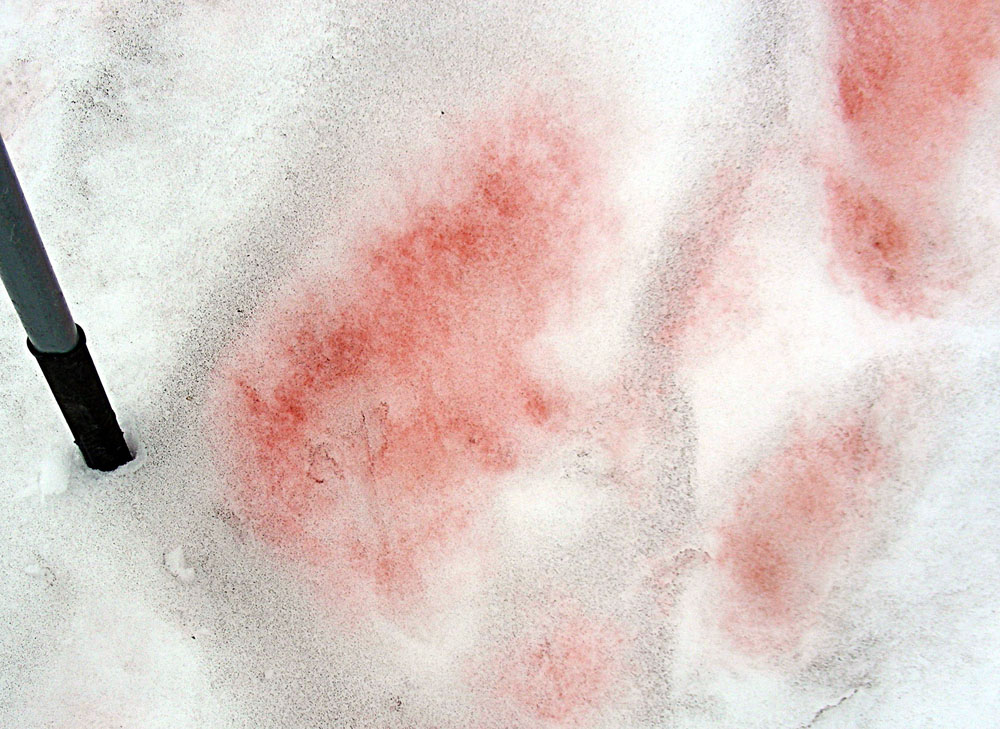
While snow is typically white, under certain conditions, it can take on an unusual pink or red color. This occurrence, known as “watermelon snow,” happens when a specific type of algae called Chlamydomonas nivalis thrives in cold environments.
Snow Can Fall in the Unlikeliest of Places
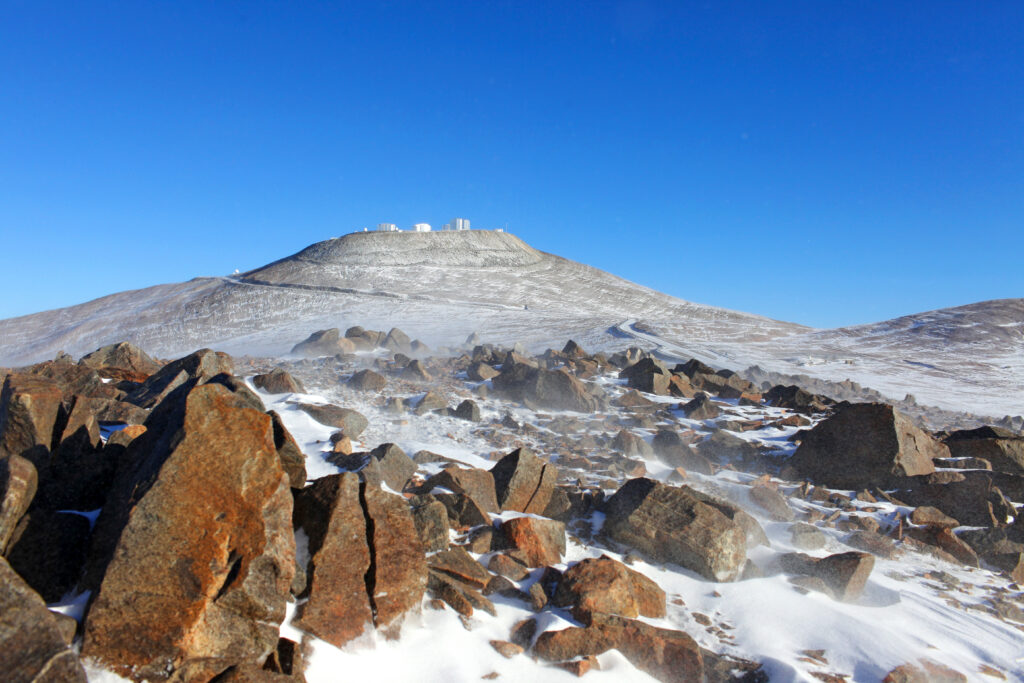
While snow is synonymous with cold climates, it may surprise you to learn that it occasionally falls in some of the warmest, driest places on Earth. One of the most famous examples is the Sahara Desert, where snowfall has been recorded a few times in recent years. The Sahara is known for its extreme heat and dry conditions, yet during the winter, cooler temperatures and moisture can combine to bring about rare snowfalls.
Thundersnow
Thundersnow is a rare meteorological event in which snow and thunder occur simultaneously. While thunder and lightning are commonly associated with rainstorms, thundersnow is far less common and often goes unnoticed due to the difficulty in spotting lightning against a snowy sky.
The Myth of “No Two Snowflakes Are Alike”
We’ve all heard the popular myth that no two snowflakes are identical, but is it really true? The idea comes from the vast variety of shapes and sizes that snowflakes can take, but it’s not entirely accurate. In fact, scientists have observed identical snowflakes in nature.
Snow Can Form Mystical “Snow Monsters”
In the winter months, Japan’s Mount Zaō is famous for its “snow monsters,” known locally as juhyo. These strange, icy figures resemble mystical creatures and draw tourists from around the world.
Conclusion
Snow is far more than just a winter inconvenience, it’s a remarkable and dynamic natural phenomenon. From the breathtaking beauty of snow monsters to the rare occurrence of watermelon snow, the world of snow is full of surprises. These fascinating facts reveal just how diverse and powerful this seemingly simple substance can be.
Read the original article on crafting your home