6 Supplements Everyone Takes But Maybe Shouldn’t

In a world where health and wellness have become synonymous with popping pills and powders, the supplement industry has boomed, with nearly everyone on some form of daily supplement routine. From the average gym-goer to the wellness enthusiast, there’s a pill for everything promising to boost energy, enhance mood, and promote overall vitality.
But while supplements are marketed as harmless ways to improve our well-being, the truth is that some may not be necessary or even beneficial for everyone. Here, we’ll uncover six supplements commonly taken, but that might not be as essential as we’re led to believe.
Multivitamins

Multivitamins are a staple in many people’s daily routines, often viewed as a quick and easy way to cover all nutritional bases. But the reality is, multivitamins may not be as beneficial as many assume.
Why they might not be necessary:
For most people who eat a balanced diet rich in fruits, vegetables, and whole grains, multivitamins aren’t needed. In fact, taking excess vitamins and minerals, particularly fat-soluble ones like Vitamin A, D, E, and K, can actually lead to toxicity over time.
Moreover, studies have shown that multivitamins may not significantly reduce the risk of chronic diseases like heart disease or cancer, as some marketing campaigns suggest.
If you’re already eating a nutritious, varied diet, chances are you’re getting most of the vitamins and minerals you need. Rather than relying on a multivitamin, consider consulting with a healthcare provider or dietitian to tailor your supplement needs to any specific deficiencies you may have.
Vitamin C
Vitamin C is famous for its immune-boosting powers and its ability to prevent the common cold, but research suggests otherwise. While Vitamin C is vital for overall health, especially in the immune system and skin, many people go overboard with it, particularly during flu season.
Why you may not need it:
Most individuals get enough Vitamin C from their diet, as it’s abundant in fruits like oranges, strawberries, and kiwis, as well as in vegetables like bell peppers and broccoli. While taking Vitamin C can help those with a deficiency, research has shown that additional doses do not necessarily prevent colds in healthy individuals.
Unless you’re experiencing a deficiency or your doctor recommends it, excess Vitamin C doesn’t offer much more than expensive urine. Instead, focus on maintaining a balanced diet, which is the best way to meet your Vitamin C needs.
Fish Oil

Fish oil supplements, packed with omega-3 fatty acids, are commonly taken to promote heart health, reduce inflammation, and boost cognitive function. But the science behind fish oil is murkier than we often think.
Why you might not need it:
While omega-3s are essential fats, most people get enough through their diet, particularly if they consume fish like salmon, sardines, or mackerel. Fish oil supplements have also been linked to minor gastrointestinal issues, and not all omega-3 sources are equal in quality. Research on the cardiovascular benefits of fish oil is mixed, with some studies showing little to no benefit for heart health in those who already eat a balanced diet.
If you’re eating fatty fish a couple of times a week or following a diet rich in other omega-3 sources like flaxseeds or walnuts, you may not need to supplement with fish oil. Talk to your doctor if you’re considering supplementation, especially if you’re prone to blood-thinning or have digestive issues.
Probiotics
Probiotics, often marketed as the cure-all for digestive problems and immune support, have seen a surge in popularity in recent years. From yogurt to pills, the probiotics market is booming, but are they all they’re cracked up to be?
Why you may not need them:
While probiotics can indeed help certain individuals, particularly those with digestive disorders like irritable bowel syndrome (IBS) or after a course of antibiotics, most healthy individuals may not benefit from them. The gut microbiome is incredibly complex, and the effects of probiotics can vary greatly from person to person.
If your digestive system is functioning normally and you’re eating a diet rich in fiber and fermented foods (such as sauerkraut, kimchi, and yogurt), you likely don’t need to supplement with probiotics. For those with specific gut issues, it’s best to consult a healthcare provider to determine if probiotics could be helpful and which strains would be most beneficial.
Melatonin
Melatonin is a hormone that plays a key role in regulating the sleep-wake cycle. It’s widely used as a sleep aid, especially by those struggling with insomnia or jet lag. However, reliance on melatonin might not be the answer for everyone.
Why it’s overused:
Melatonin supplements can help people adjust to different time zones or establish a sleep schedule, but many individuals take it for chronic sleep problems, thinking it will be a quick fix. The truth is, sleep disorders are complex and often involve factors like stress, lifestyle, and environmental factors, not just a lack of melatonin.
Before reaching for melatonin, consider evaluating your sleep hygiene, your environment, routines, and habits. If melatonin doesn’t help with your sleep in the long term, it’s worth investigating the underlying causes of your insomnia with a professional.
Creatine
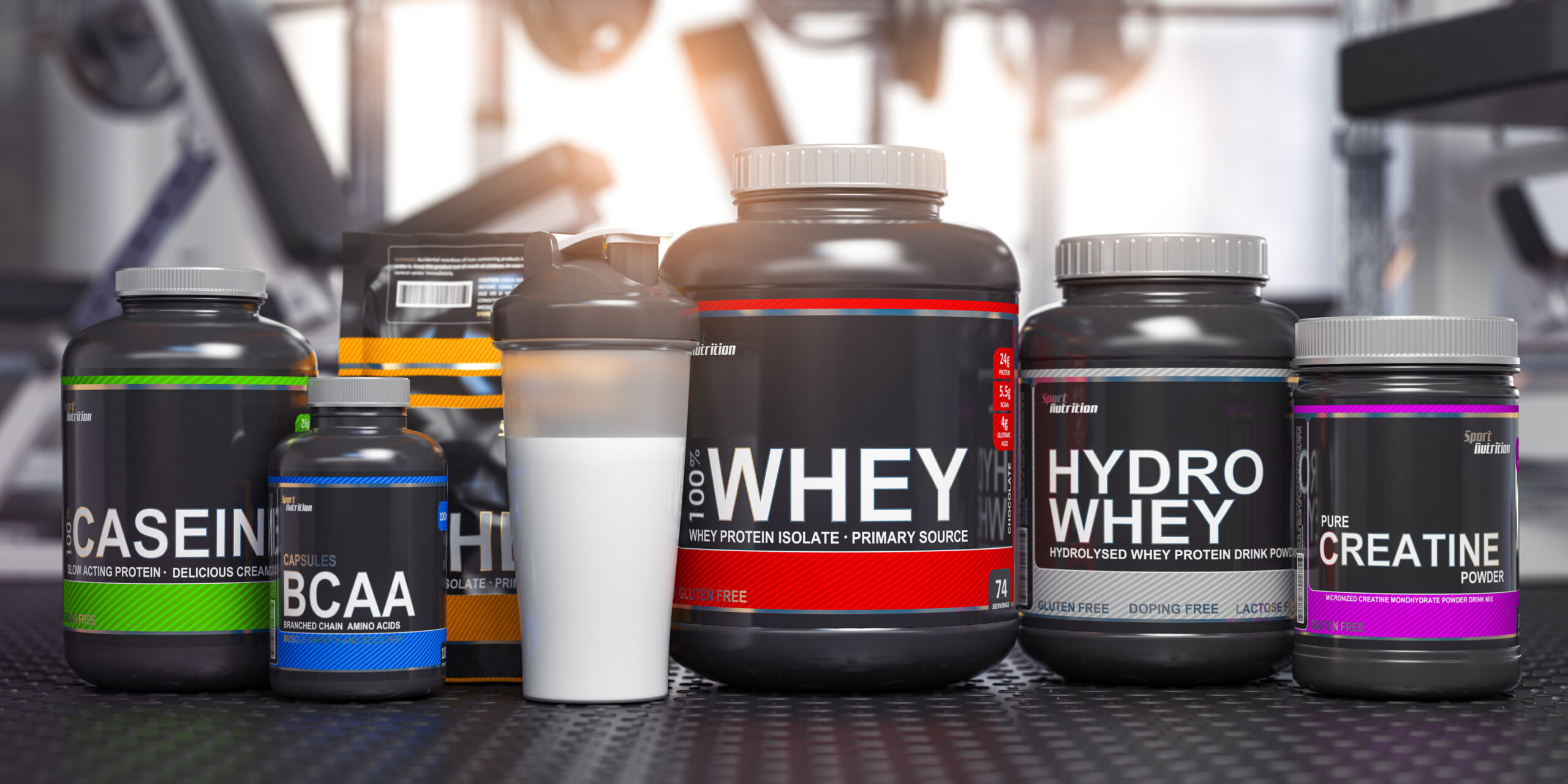
Creatine is one of the most well-known supplements in the fitness world. It’s often used by athletes and bodybuilders to improve performance during high-intensity exercise. While creatine does have legitimate benefits, it’s not necessary for everyone, especially if you’re not engaging in heavy training.
Why it might not be necessary:
Creatine helps with short, intense bursts of exercise, such as sprinting or lifting heavy weights. But if your workout routine focuses on endurance or moderate activity, creatine may not offer significant benefits. Additionally, some people experience bloating or dehydration when taking creatine.
Creatine can be beneficial for strength training, powerlifting, and certain sports, but it’s not required for general fitness. If you’re not training intensely, it’s likely an unnecessary supplement. As always, tailor your supplement choices to your specific needs and goals.
Conclusion
While supplements can be helpful in certain situations, they’re not a one-size-fits-all solution. The key is understanding your body’s actual needs and ensuring that your diet, lifestyle, and health conditions align with the supplements you’re taking. Rather than jumping on the latest supplement trend, it’s essential to consult with a healthcare provider to ensure you’re making the right choices for your health without falling for the supplement hype.