6 Supermarket Strategies That Make You Overspend
Supermarkets are experts at manipulating consumer behavior to increase sales. While these tactics might seem subtle at first, they are designed to exploit the psychological triggers that lead you to spend more than you planned.
As a result, your shopping bill can often feel like a surprise. By understanding these strategies, you can outsmart the system and make smarter choices while saving money.
Store Layout
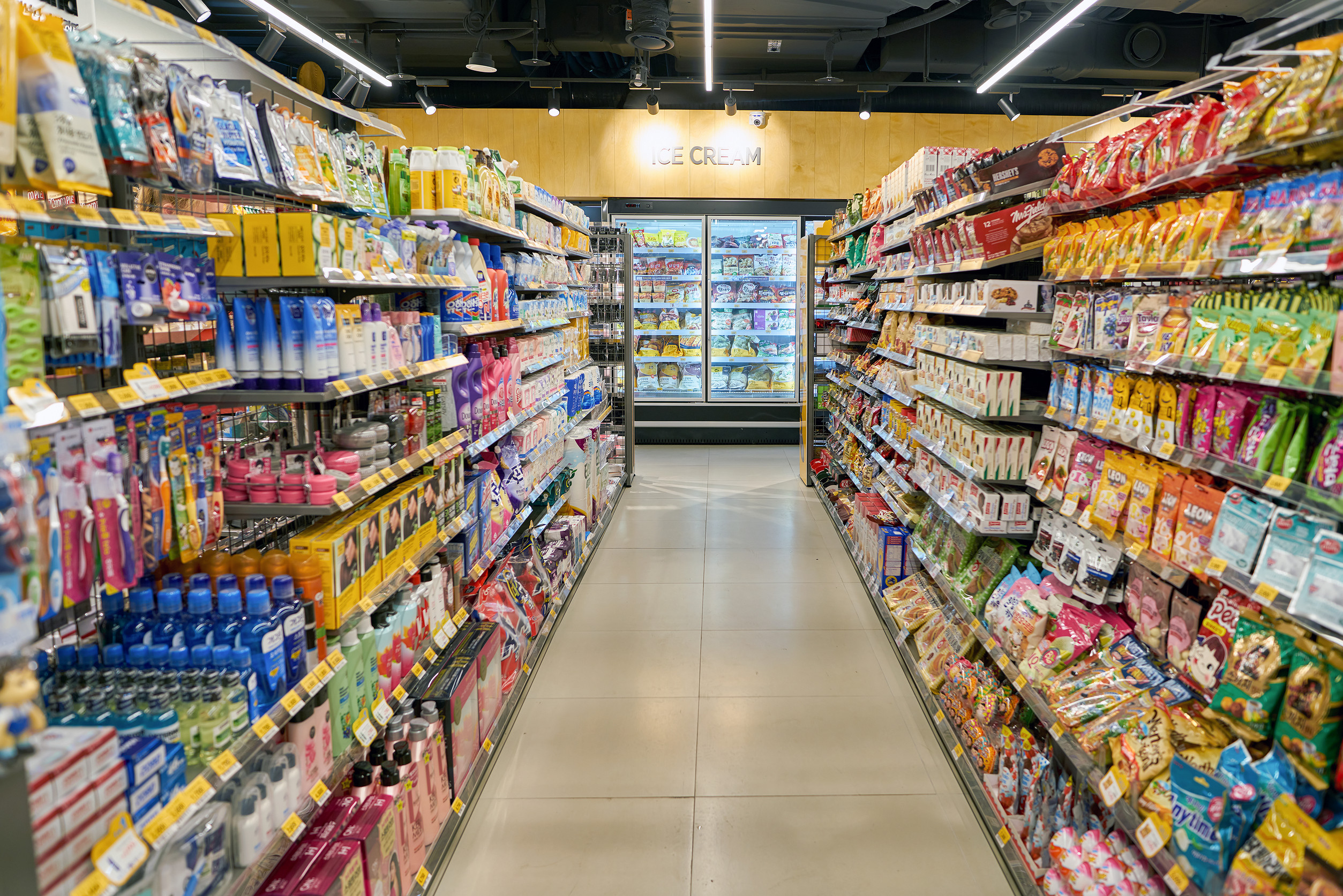
Ever wonder why certain items are always placed at the back of the store? It’s not by accident. Supermarkets carefully craft their layouts to maximize your exposure to as many products as possible. Common essentials such as milk, eggs, and bread are typically placed at the furthest corners, forcing you to walk through an array of impulse-buy sections on your way to those staple items.
How to Beat It:
- Make a List: Stick to a shopping list and resist the urge to veer off course. If you don’t need it, don’t let it tempt you.
- Map Out Your Store: If you’re familiar with your local store layout, you can plan your route to avoid unnecessary aisles.
The Discount Illusion
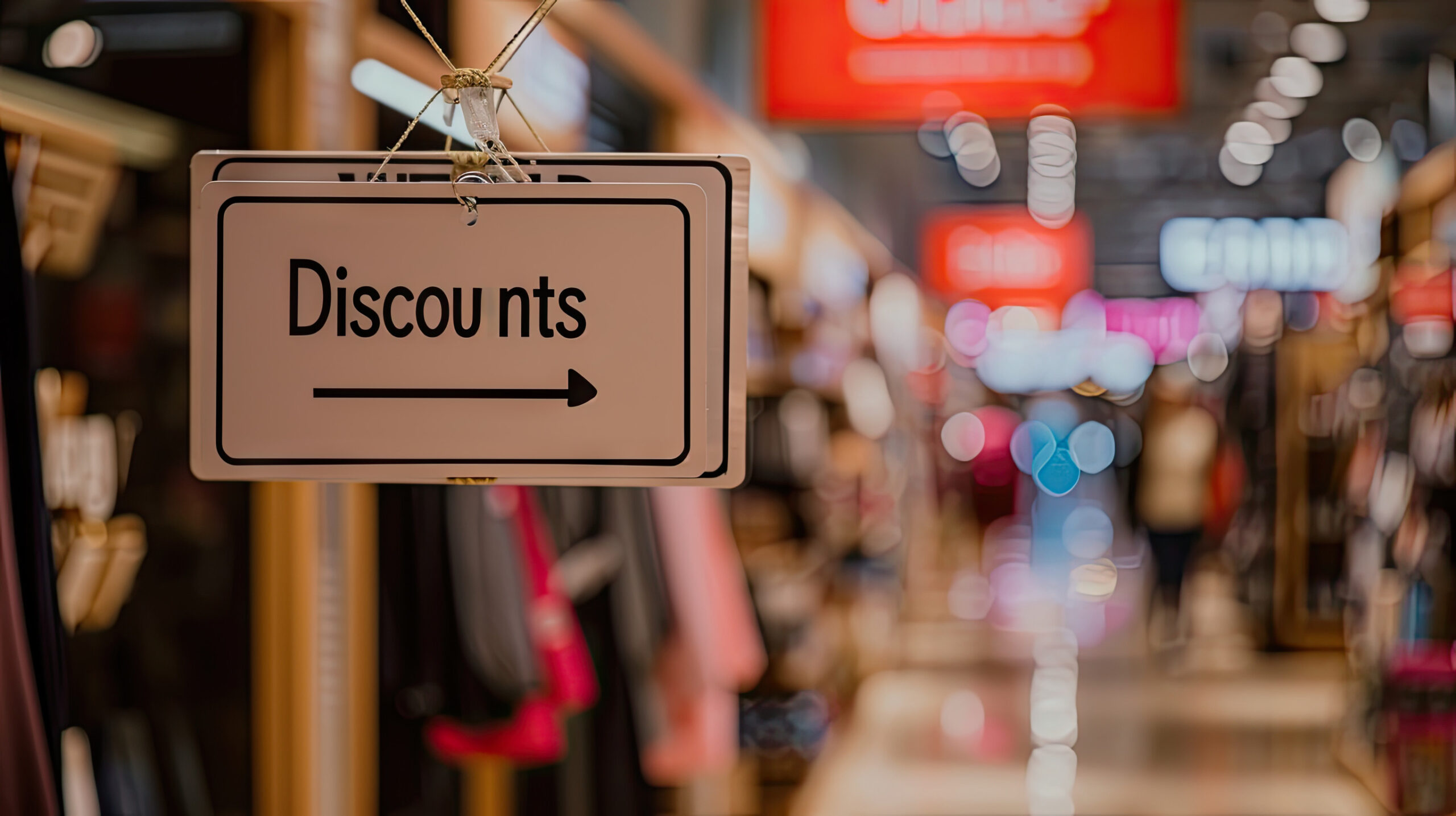
Supermarkets frequently use a psychological trick called “anchoring” when pricing. You’ve probably seen it: an item labeled with a hefty original price crossed out next to a seemingly much lower price. While this might appear like a great deal, the truth is that the discount may not be as significant as it seems.
How to Beat It:
- Know the Actual Value: Compare the sale price with the regular price at other stores or online before purchasing.
- Do the Math: Check whether the discount is really substantial or just a marketing tactic to push products.
In-Store Promotions
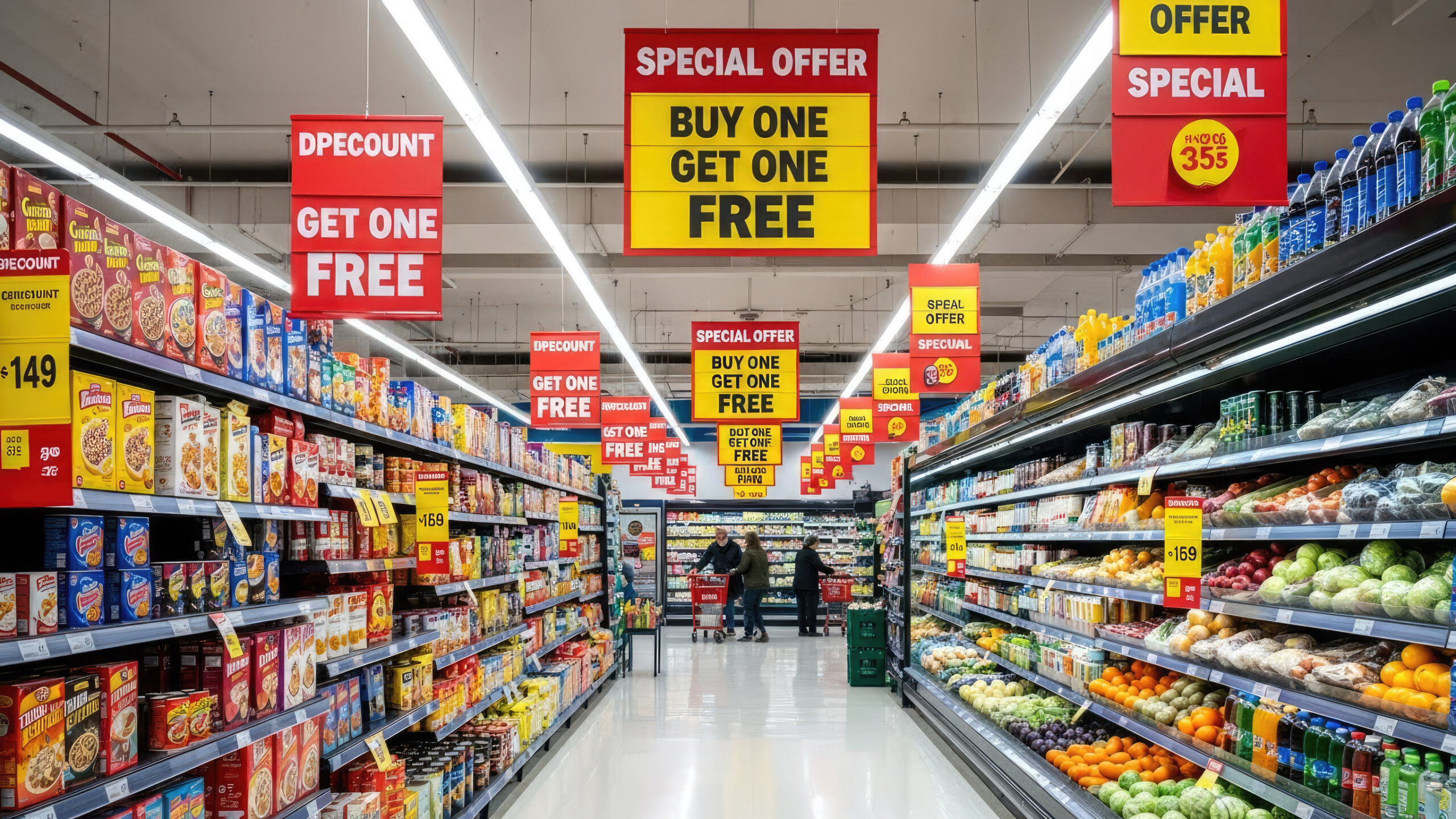
Promotions like “Buy one, get one free” or “Three for the price of two” may sound too good to pass up. However, these promotions can often lead to overspending, especially if you’re buying items you don’t need in bulk. The reality is that many shoppers end up buying more than they would have otherwise because they feel pressured to take advantage of a “deal.”
How to Beat It:
- Buy Only What You Need: Avoid buying in bulk just because it seems like a good deal. If you don’t need the extra items, don’t buy them.
- Calculate the Price Per Unit: Often, larger quantities don’t save you much when you break it down per unit. Compare prices carefully.
Eye-Level Placement

One of the most effective tactics supermarkets use is placing the most expensive or high-margin items at eye level. This strategic placement ensures that these products are the first things your eyes land on when you browse an aisle. Meanwhile, cheaper alternatives are placed on the top or bottom shelves, making them harder to notice.
How to Beat It:
- Look Beyond Eye Level: Always scan the shelves above and below your line of sight for better deals.
- Consider Generic Brands: Generic or store brands often provide the same quality as name-brand items but at a fraction of the price.
The Power of Music and Ambiance
Supermarkets understand the influence that ambiance has on consumer behavior. The background music, lighting, and even scents are carefully chosen to create a relaxed atmosphere that encourages you to linger longer in the store. Studies have shown that slower music can make you shop at a more leisurely pace, causing you to spend more time browsing and, consequently, increasing your spending.
How to Beat It:
- Stay Focused: If you know the store’s atmosphere is designed to get you to relax and shop longer, stay focused and avoid distractions.
- Go in with a Plan: Have a specific purpose when you walk into the store. Know exactly what you need and avoid getting sidetracked by appealing smells or music.
Checkout Temptations

By the time you reach the checkout, you’re likely to be tired, distracted, and ready to leave. Supermarkets use this moment to their advantage by placing small, inexpensive items, often candy, gum, or magazines, right next to the checkout line. These items are designed to tempt you into making last-minute purchases.
How to Beat It:
- Don’t Shop When You’re Hungry: Hunger increases the chances of impulse buys. Avoid shopping on an empty stomach.
- Use Self-Checkout: If you can, use self-checkout to avoid the temptation of seeing last-minute items you didn’t plan for.
Conclusion
Awareness is key to resisting the traps supermarkets set. By recognizing these common tactics, store layout, eye-level placement, discount illusions, in-store promotions, sensory influences, and checkout temptations, you can make more informed purchasing decisions and stick to your budget. When you take control of your shopping habits, you’ll find that it’s easier to save money and avoid overspending.
By understanding these strategies, consumers can confidently navigate the store, avoid unnecessary purchases, and make smart choices that protect their wallets. Take charge of your spending and outsmart these supermarket tactics today.