6 Reasons Older Men Become Grumpier as They Age

As men age, the vibrancy of youth fades, and they often face a series of emotional, physical, and social challenges. Many of these struggles manifest as increasing irritability or what is commonly perceived as “grumpiness.” Understanding the root causes behind these changes can foster empathy and offer meaningful ways to address them.
Loss of Professional Identity

For many men, their careers define who they are. When they retire or face career downsizing, the loss of this professional identity can feel like the loss of their very purpose. Work provides structure, social interaction, and a sense of accomplishment, elements that are suddenly stripped away upon retirement.
This loss of purpose can leave older men feeling adrift and unimportant. They may struggle with the shift from a life full of responsibilities to one that feels less significant. The transition into retirement is often perceived not as an exciting new phase, but as a reminder of what they no longer have.
Physical Discomfort
Aches, pains, and physical limitations are an inevitable part of aging. The chronic discomfort that many men experience from conditions like arthritis, joint stiffness, and reduced mobility can chip away at their patience. What once was a normal, pain-free activity, whether it’s walking, bending down, or even sleeping, becomes increasingly frustrating.
Social Isolation
As men age, their social networks often shrink. Friends may pass away, or the demands of life may make it harder to maintain meaningful connections. Retiring from the workforce can further isolate men, as they lose daily interactions with coworkers, a key source of social engagement.
Loss of Independence
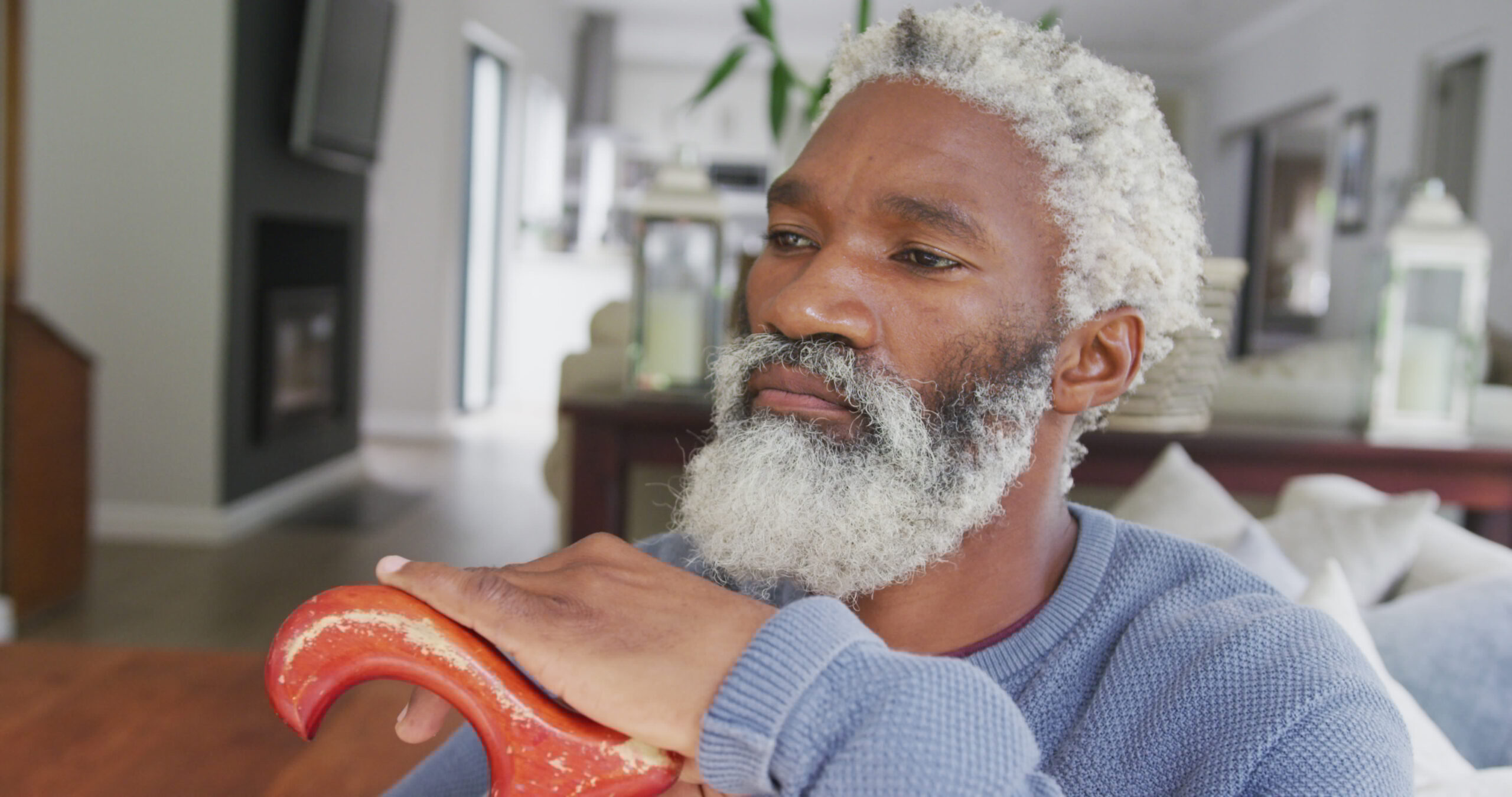
For men who have prided themselves on their independence, the growing need to rely on others can be deeply humbling. Whether it’s asking for assistance with physical tasks, household chores, or even financial matters, the loss of autonomy is a blow to their sense of self.
Health Concerns
With age, health issues often become more prevalent. Whether it’s managing chronic conditions, dealing with new medical diagnoses, or the general decline in health, the fear of worsening health can weigh heavily on older men’s minds.
These health anxieties create a constant undercurrent of stress, making even minor symptoms feel like significant problems. Routine doctor visits and even slight health changes can provoke disproportionate worry, leading to irritability. Health concerns may also trigger a fear of becoming a burden on loved ones, further exacerbating feelings of vulnerability and frustration.
Declining Cognitive Function
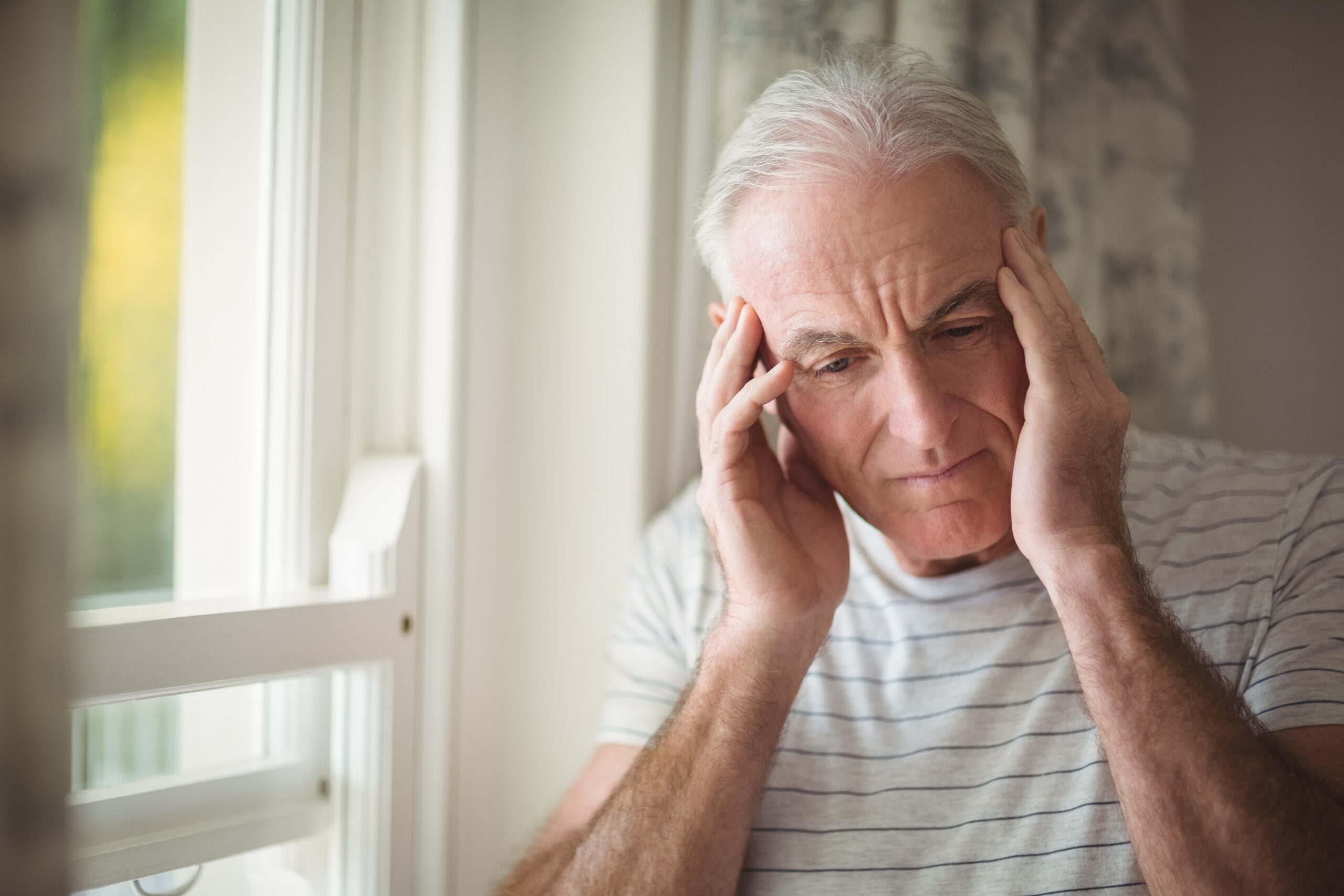
Memory lapses, slower problem-solving, and occasional difficulty recalling simple information are all part of the aging process. For many older men, these cognitive changes can feel like a major loss of self-esteem and independence. They may find themselves increasingly frustrated by tasks they once completed with ease.
Conclusion
Aging is a multifaceted process, and the increased irritability many older men experience is not merely a product of personality but a result of several complex, overlapping factors. Whether it’s the physical discomfort of chronic pain, the loss of professional purpose, the isolation of fewer social connections, the weight of health concerns, or the frustration of cognitive decline, the reasons for grumpiness are rooted in real, challenging experiences.
By recognizing and addressing these issues, it becomes possible to support older men through this stage of life with empathy, patience, and understanding. With the right care, support, and attitude, older men can redefine their purpose and regain a sense of fulfillment and joy.