6 Most Harmful Ways to End a Relationship

Image Credit: sidelnikov/123rf Photos
Ending a relationship is rarely easy. Emotions are high, hearts are fragile, and the words you choose can leave lasting scars.
While there is no perfect way to break up with someone, there are certainly some methods that are far worse than others. These methods not only add unnecessary pain to an already difficult situation but can also have long-term consequences on both parties’ emotional well-being. Whether you’re preparing for a breakup or simply reflecting on past experiences, it’s important to understand which approaches can make an already painful process even worse.
Here, we examine some of the most harmful, and damaging ways to end a relationship.
Ghosting

One of the most hurtful and avoidable ways to break up with someone is through ghosting. This occurs when one partner abruptly stops communicating without explanation. Ghosting leaves the other person confused, anxious, and often questioning their worth. It’s as if the relationshi
p never existed, which can be emotionally devastating.
Ghosting not only lacks closure, but it also prevents both individuals from processing the breakup properly. The person being ghosted is left in a state of emotional limbo, unable to move forward or gain any understanding of what went wrong. This makes it one of the worst and most inconsiderate ways to end a relationship.
Breaking Up Over Text
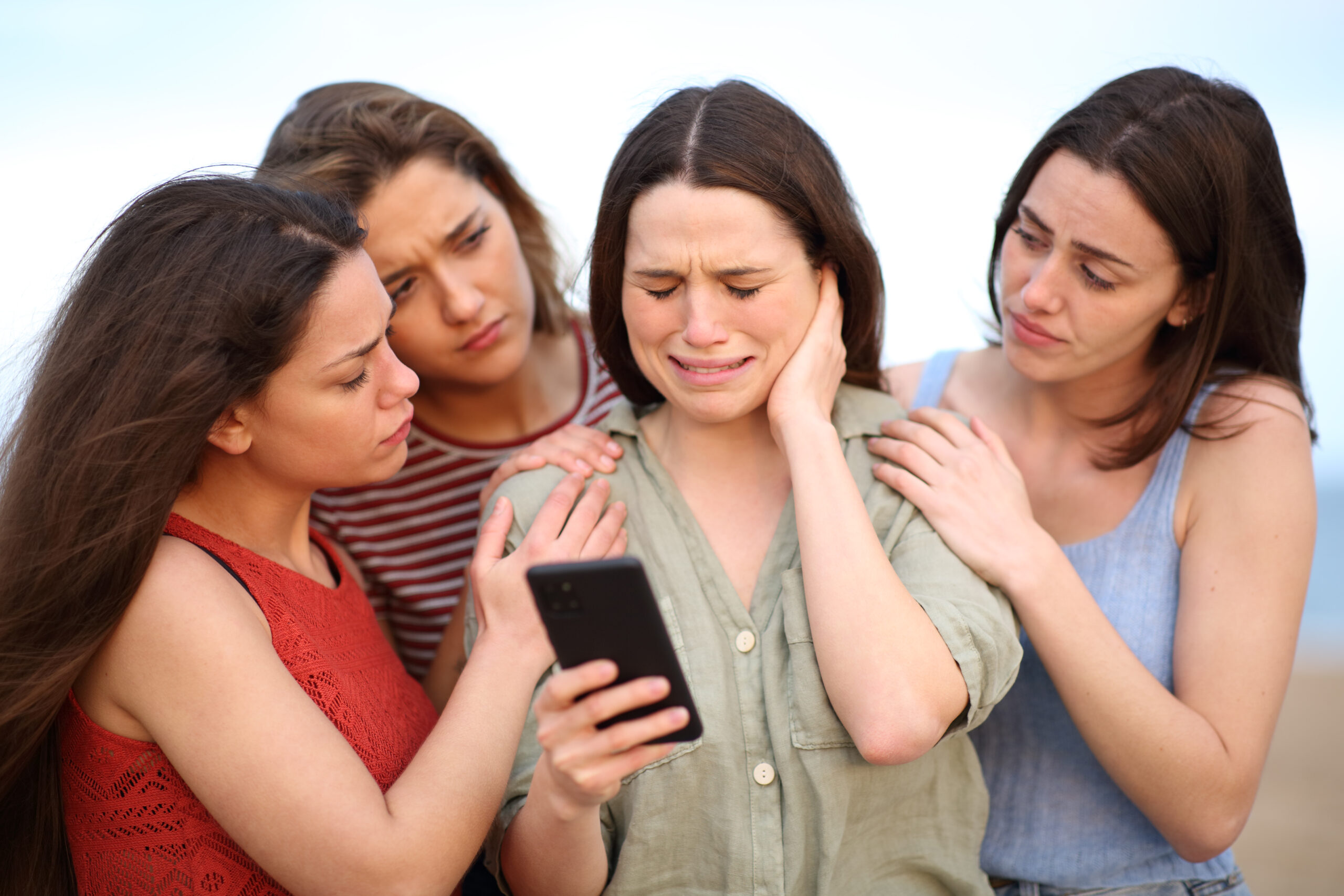
Breaking up through text may seem like an easy way to avoid the emotional turmoil of a face-to-face conversation. However, this impersonal method is cold and dismissive. It leaves no room for meaningful dialogue or closure, making it one of the most disrespectful ways to end a relationship.
A breakup over text reduces the opportunity for both parties to express their feelings. It leaves the recipient of the message with little to no understanding of why the relationship ended or what went wrong. Without context or the opportunity for discussion, the emotional impact can be even more devastating.
Public Breakups

Breaking up with someone in public;whether in front of friends, family, or even strangers—adds an unnecessary layer of humiliation to the process. While some might argue that doing so is a way to assert control, it often backfires, leaving the person being dumped feeling exposed, embarrassed, and unsupported.
Public breakups are rarely ever the right choice, particularly if the relationship was long-term or emotionally significant. The emotional fallout from being humiliated in front of others can affect a person’s self-esteem and leave them feeling deeply hurt, often for years after the event. The consequences are not just emotional but can affect future relationships and trust.
The Blame Game
During a breakup, it can be tempting to blame the other person for everything that went wrong. While it’s natural to feel anger or resentment, blaming your partner during the breakup can escalate the emotional turmoil and make the situation much worse.
Blaming the other person shifts the focus away from mutual responsibility in the relationship. Instead of acknowledging that both individuals contributed to the breakup in some way, the blame game makes the other person feel attacked and vilified. This can result in bitterness and animosity, prolonging the healing process for both individuals.
Breaking Up Via Social Media

In today’s digital age, many relationships take a public form on social media. If the breakup happens via a social media post or private message, it can feel like a betrayal. Publicly ending a relationship on social media is not only inconsiderate but can lead to unnecessary public drama.
When a breakup is announced via social media, it turns a private matter into a public spectacle. This often leads to unnecessary gossip, judgment, and emotional exposure. The person being dumped may feel violated by the lack of privacy and dignity. It also damages the relationship by breaking down any sense of trust and respect between both individuals.
‘We Should Take a Break’ Avoidance’
Suggesting a “break” instead of an outright breakup can feel like an attempt to avoid confrontation. While it might seem like a softer alternative, it often leaves the person on the receiving end feeling uncertain about the relationship’s future.
A “break” prolongs the inevitable and gives false hope to the person being left behind. Rather than providing clarity, it opens the door for confusion and mixed signals. This approach also prolongs emotional pain, as the individual may not know whether the relationship is truly over or simply on pause.
Conclusion
No breakup is ever easy, but how you handle it can profoundly impact both your emotional well-being and that of your partner. By steering clear of the most harmful breakup tactics; like ghosting, public humiliation, or empty excuses, you can give both parties the opportunity to heal and move forward.
The key lies in honesty, respect, and empathy. It’s about treating the other person with dignity, even as the relationship comes to a close. By approaching the breakup with maturity and understanding, you can minimize emotional pain and pave the way for a future free from bitterness and regret.
Read the original article on crafting your home