7 Most Dangerous Travel Destinations

While traveling is one of the most exciting ways to explore the world, certain destinations pose significant risks to travelers.
These risks range from political instability and violent crime to natural disasters and severe health concerns. Whether you’re planning a vacation or simply curious about global safety, knowing which regions are the most hazardous can help you make informed decisions.
Here, we delve into the world’s most dangerous places, offering insight into the risks they pose and why certain areas are best avoided by travelers.
North Korea
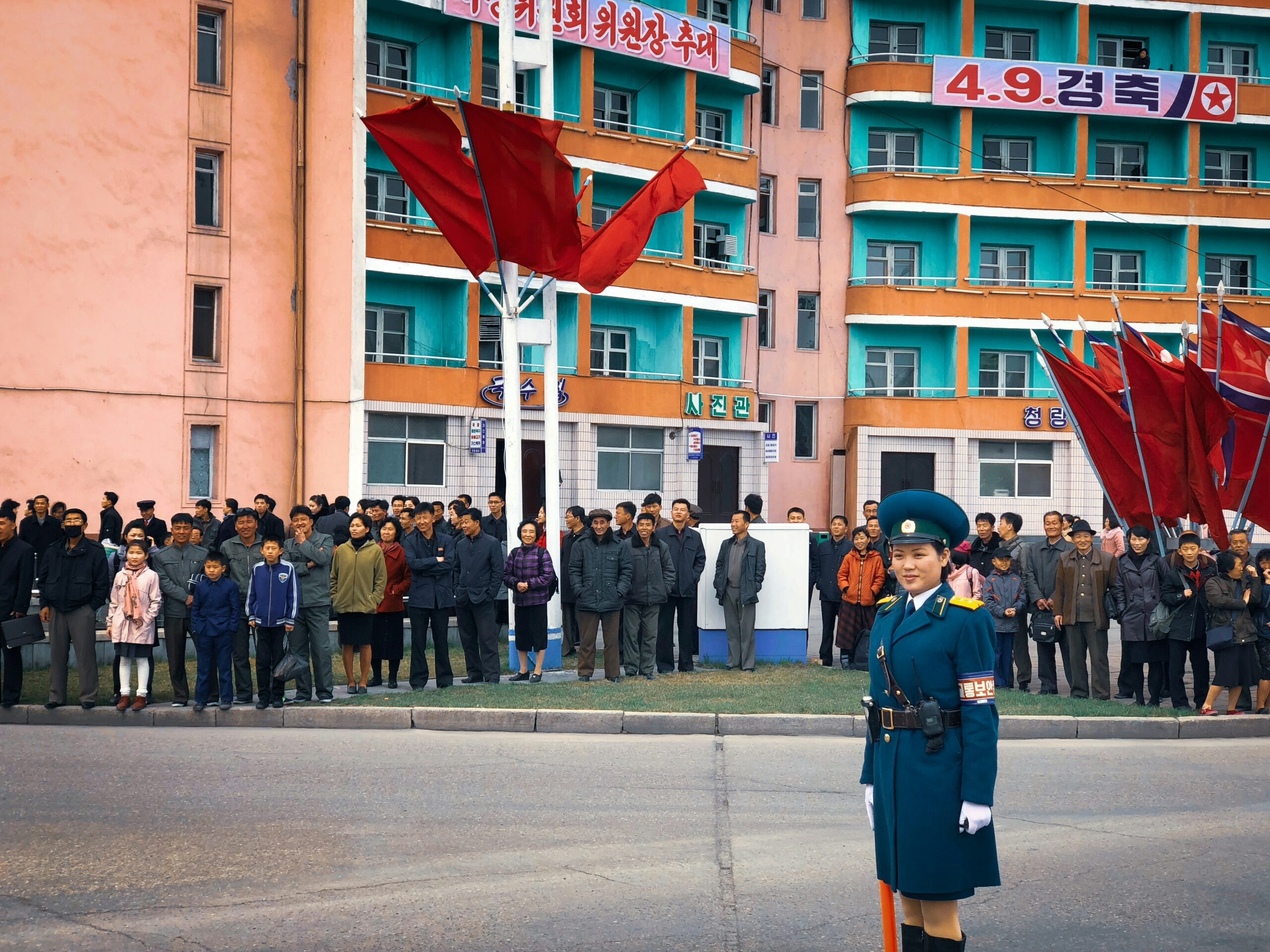
North Korea is often considered the most dangerous travel destination in the world due to its strict government control and severe penalties for disobedience. Travelers are monitored closely, and violations of the country’s draconian laws, such as taking photographs in restricted areas or engaging in political discourse, can result in harsh punishment, including imprisonment or even execution.
Key Risks:
- Political Oppression: Visitors are not free to explore independently and must adhere to state-sanctioned itineraries.
- Human Rights Violations: The country has been criticized for its treatment of prisoners and citizens.
- Travel Restrictions: Tourism is tightly controlled, and foreigners have limited interaction with locals.
Despite the allure of its secrecy and propaganda, North Korea is best avoided due to its totalitarian regime and the significant personal risks involved.
Iraq
Iraq has long been plagued by political instability, terrorism, and armed conflicts. Although the country offers rich historical sites and a deeply rooted culture, these are overshadowed by ongoing violence and the threat of terrorism. The U.S. Department of State consistently advises against traveling to Iraq, citing the risk of kidnappings, attacks, and extremist violence.
Key Risks:
- Ongoing Conflict: Numerous areas are involved in military confrontations, particularly with ISIS and other extremist groups.
- Terrorist Attacks: Iraq faces frequent bombings, shootings, and insurgent activities.
- Limited Infrastructure: The country’s infrastructure, including hospitals, is unreliable, and medical assistance is scarce in rural areas.
Given the volatile political climate and the presence of violent factions, traveling to Iraq remains highly dangerous.
Hawaii (Big Island)
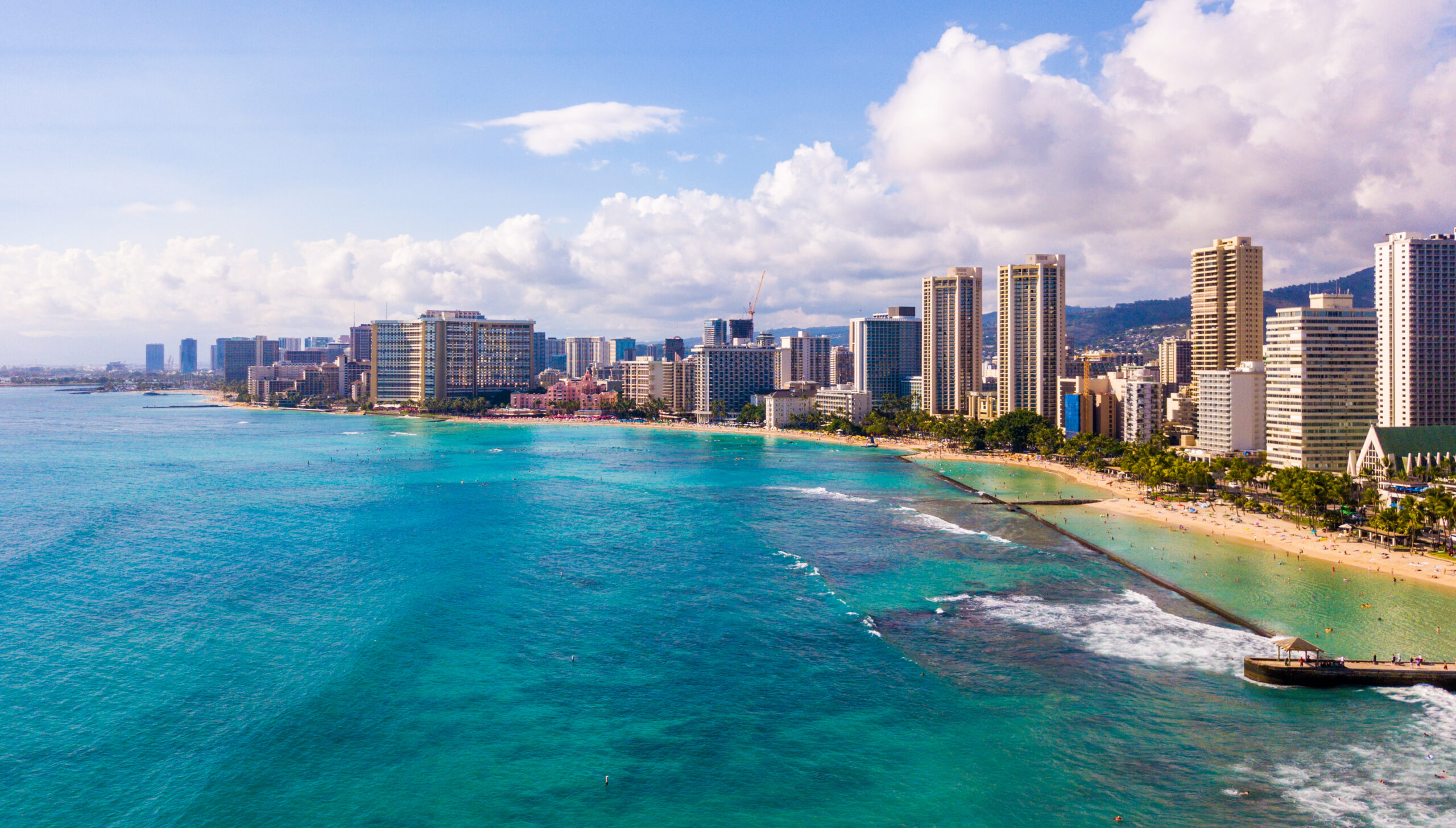
While Hawaii’s natural beauty and relaxed atmosphere make it a popular vacation spot, the Big Island is home to one of the world’s most active volcanoes, Kilauea. Eruptions, lava flows, and gas emissions from the volcano pose significant risks to visitors, particularly those who venture too close to the eruption zones.
Key Risks:
- Volcanic Eruptions: Frequent eruptions cause lava to flow into populated areas, threatening infrastructure and lives.
- Toxic Gas Emissions: Volcanic gases, including sulfur dioxide, can cause respiratory issues and severe health problems.
- Earthquakes: The region is prone to seismic activity that could damage buildings and infrastructure.
Though beautiful, the Big Island’s active volcanoes make it one of the more hazardous places to visit in the U.S.
Acapulco, Mexico
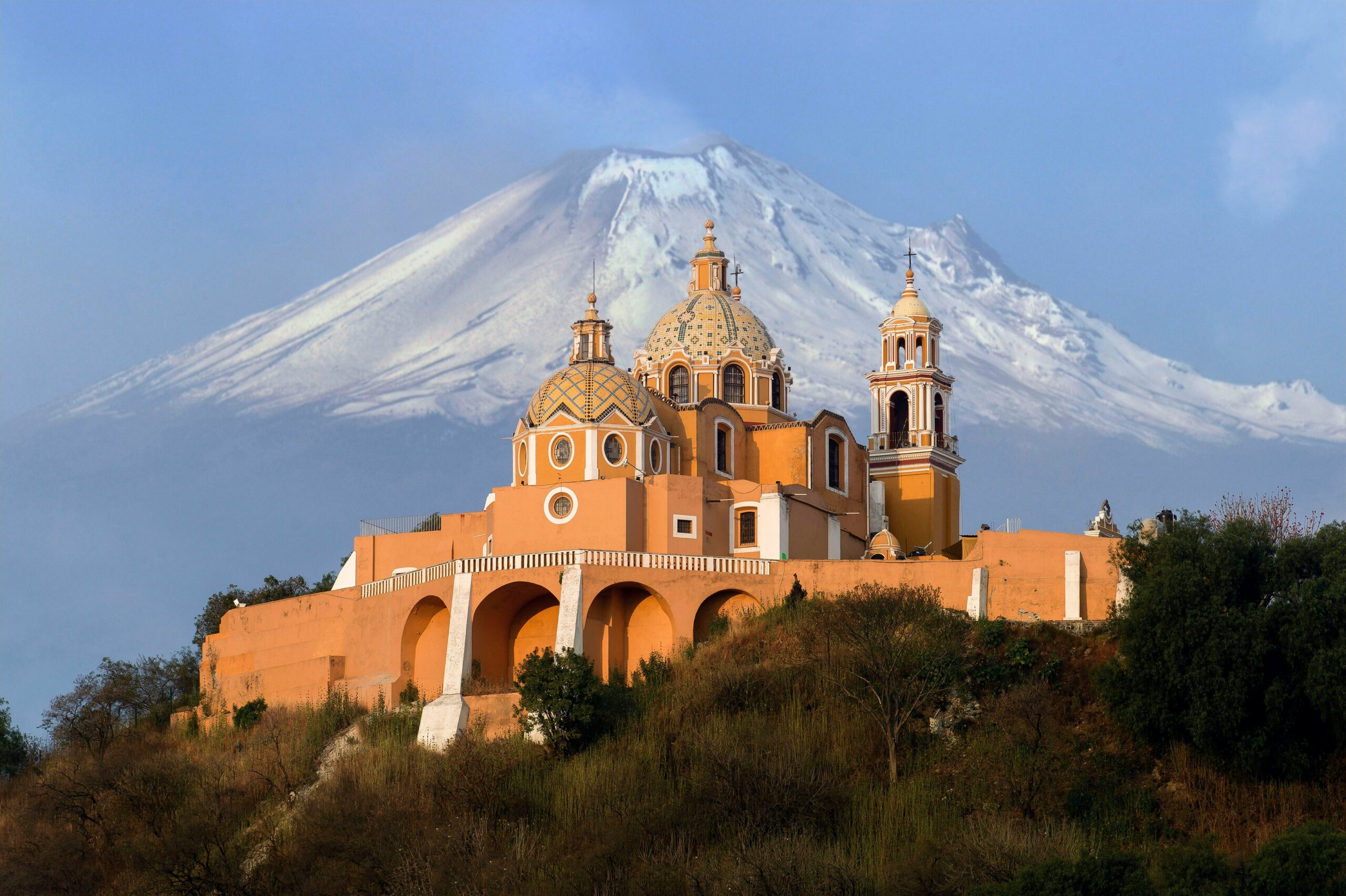
Once a glamorous destination for celebrities, Acapulco has become notorious for its escalating levels of violent crime. Drug cartels, gang violence, and widespread corruption have transformed the city into one of Mexico’s most dangerous regions. While parts of the city remain popular with tourists, the risk of encountering violent crime remains high, especially in certain neighborhoods.
Key Risks:
- Gang Violence: Drug cartels and gangs frequently clash in the area, putting both locals and tourists at risk.
- Kidnappings and Armed Robberies: Tourist areas are sometimes targeted by criminals for kidnappings and theft.
- Corruption: The presence of corrupt law enforcement officials exacerbates safety concerns.
Travelers should exercise extreme caution when visiting Acapulco and consider avoiding it altogether if safety is a top priority.
Brazil
Brazil is known for its stunning landscapes and vibrant culture, but it also presents significant risks, particularly in cities like Rio de Janeiro and São Paulo. High levels of violent crime, including muggings, robberies, and murders, are common in some areas. Additionally, health concerns, such as mosquito-borne diseases like Zika virus and malaria, add another layer of risk to traveling here.
Key Risks:
- Violent Crime: Armed robberies and shootings occur frequently in high-crime areas, especially in slums (favelas).
- Health Risks: Diseases like Zika, dengue, and malaria are prevalent, particularly in rural and tropical regions.
- Traffic Accidents: Brazil has one of the highest rates of road traffic accidents in the world, making road travel dangerous.
Despite its allure, Brazil remains a hazardous destination for those who are not well-prepared and informed about the risks.
Madagascar
Madagascar offers unique wildlife and breathtaking landscapes, but it also presents significant dangers due to health risks and political instability. The country has been plagued by a variety of diseases, including plague outbreaks, and its healthcare system is underdeveloped. In addition, political instability has led to occasional violence and protests, which can affect travelers.
Key Risks:
- Plague Outbreaks: Madagascar is infamous for its periodic outbreaks of the plague, a deadly infectious disease transmitted by fleas.
- Political Unrest: Protests and strikes are common, and they can escalate into violence.
- Limited Healthcare: Access to healthcare, particularly in rural areas, is limited and of low quality.
While Madagascar is an extraordinary place to visit, travelers should weigh the health and safety risks before planning a trip.
The Philippines
The Philippines is a beautiful tropical destination with pristine beaches and stunning islands, but it is also plagued by political instability and terrorist activity. The southern region, in particular, is known for its high rates of kidnappings, including those targeted at tourists, and the presence of groups like Abu Sayyaf, a terrorist organization that engages in violent activities.
Key Risks:
- Kidnapping: Both locals and foreign nationals are at risk of being abducted for ransom.
- Terrorism: Islamic insurgent groups are active, particularly in Mindanao and surrounding areas.
- Natural Disasters: The Philippines is prone to typhoons, earthquakes, and volcanic eruptions.
Travelers should avoid certain areas in the Philippines, particularly in the south, to minimize the risks associated with these dangers.
Conclusion
While the allure of certain destinations may be strong, it is crucial to consider the risks associated with traveling to the world’s most dangerous places. From political instability and violent crime to health risks and natural disasters, these locations pose a serious threat to travellers who are unprepared or uninformed.
To stay safe, always research your destination thoroughly, stay informed about the latest travel advisories, and consider alternative destinations if safety concerns outweigh the benefits of visiting. By taking these precautions, you can enjoy travel with peace of mind, knowing that you’ve made safety a priority.
Read the original article on crafting your home