

From the bustling streets of New York to the high-tech cities of Tokyo, human beings have always sought to build urban spaces that showcase our creativity, ingenuity, and ambition.
However, not every city is a symbol of progress and prosperity. Across the globe, there are locations where poverty, violence, and environmental disasters have led to conditions that make living there nearly impossible. These places, though fascinating in their own right, are often the backdrop to stories of human survival, suffering, and struggle.
Here, we explore 6 of the most dangerous and unlivable places in the world that you’d want to avoid at all costs.
Detroit, Michigan, USA

Once the thriving heart of the American automobile industry, Detroit is now a shadow of its former self. The city has faced decades of economic decline, mass unemployment, and the collapse of the auto industry.
Entire neighborhoods have been abandoned, leaving behind a landscape of decaying homes and vacant buildings. Crime rates in Detroit are among the highest in the United States, with violence and drug trafficking running rampant in many parts of the city.
The city declared bankruptcy in 2013, with an estimated $18 billion in debt, and despite some revitalization efforts, Detroit remains one of the most challenging places to live in America.
Kibera, Nairobi, Kenya
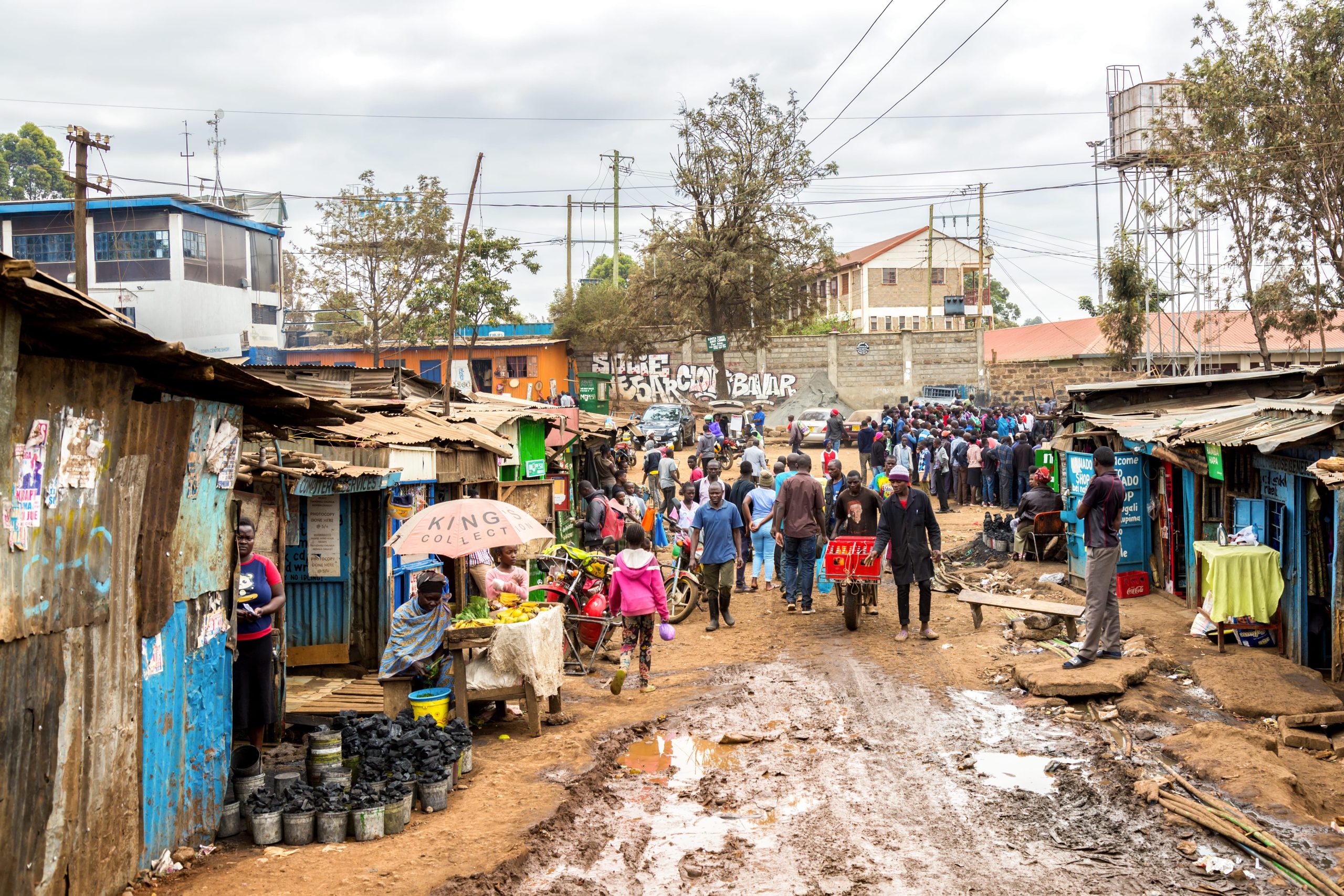
Kibera, located in the heart of Nairobi, is one of the largest slums in the world, housing over 250,000 people in cramped, unsanitary conditions. The lack of proper infrastructure, clean water, and basic health services leaves residents vulnerable to disease outbreaks such as cholera and typhoid.
Crime, drug abuse, and gang violence are rampant, and women and children are often victims of sexual violence. The lack of government intervention and the desperate poverty make Kibera a place where survival is a constant struggle.
La Perla, San Juan, Puerto Rico
La Perla, located on the outskirts of San Juan, is a slum that sits on the beautiful Caribbean coast, offering stunning views of the ocean but little else. Once home to a slaughterhouse, La Perla has since become a hotbed for the drug trade, particularly heroin.
Despite its picturesque location, La Perla remains one of the most dangerous areas in Puerto Rico, with rampant drug abuse, violent crime, and widespread poverty. Police raids in recent years have netted numerous drug arrests, but the area continues to suffer from a lack of resources and government intervention.
Medellín, Colombia

In the 1980s, Medellín was the world’s most dangerous city, ruled by the notorious drug lord Pablo Escobar. Though Escobar was killed in 1993, the city’s violent legacy continued for years, fueled by gangs and drug cartels fighting for control. While crime rates have decreased significantly since the 1990s, Medellín still struggles with violence, extortion, and kidnappings.
Tourists and residents alike are often caught in the crossfire, and while the city has made strides in rehabilitation, its past continues to haunt its streets. Medellín is a city of contrasts, where beauty and danger coexist.
Cité-Soleil, Port-au-Prince, Haiti
Cité-Soleil, known as “Sun City,” is one of the most notorious slums in the world, located on the outskirts of Port-au-Prince, Haiti. This densely populated area is plagued by extreme poverty, lack of basic services, and rampant gang violence.
The streets are clogged with garbage and stagnant water, creating a breeding ground for diseases such as cholera and AIDS. The absence of a functional police force and the presence of ruthless drug cartels make it one of the most dangerous places on Earth.
With a life expectancy hovering in the low 50s and the constant threat of violence, Cité-Soleil is a true testament to the harsh realities faced by the people living there. Despite efforts by the United Nations to stabilize the area, it remains in a constant state of decay
Brownsville, Brooklyn, USA
While New York City is known for its high-end neighborhoods, Brownsville stands out for its extreme poverty and high crime rates. Once a vibrant working-class community, Brownsville is now dominated by public housing projects and has one of the highest rates of violent crime in the city.
The drug trade, gang violence, and lack of resources contribute to the area’s dangerous reputation. Despite some attempts at gentrification, Brownsville remains one of the most perilous places to live in New York City.
Conclusion
These cities represent the extremes of human existence, places where survival becomes the greatest challenge of all. Whether it’s poverty, violence, or environmental hardship, these locations paint a grim picture of urban life in some of the most dangerous corners of the world.
While some of these cities are slowly improving through government intervention, international aid, and social programs, others remain a stark reminder of the disparity between the privileged and the forgotten. Visiting these cities is a rare occurrence, but understanding their struggles helps us recognize the global challenges that require our attention.


