6 kitchen rituals boomers swear by that confuse Gen Z
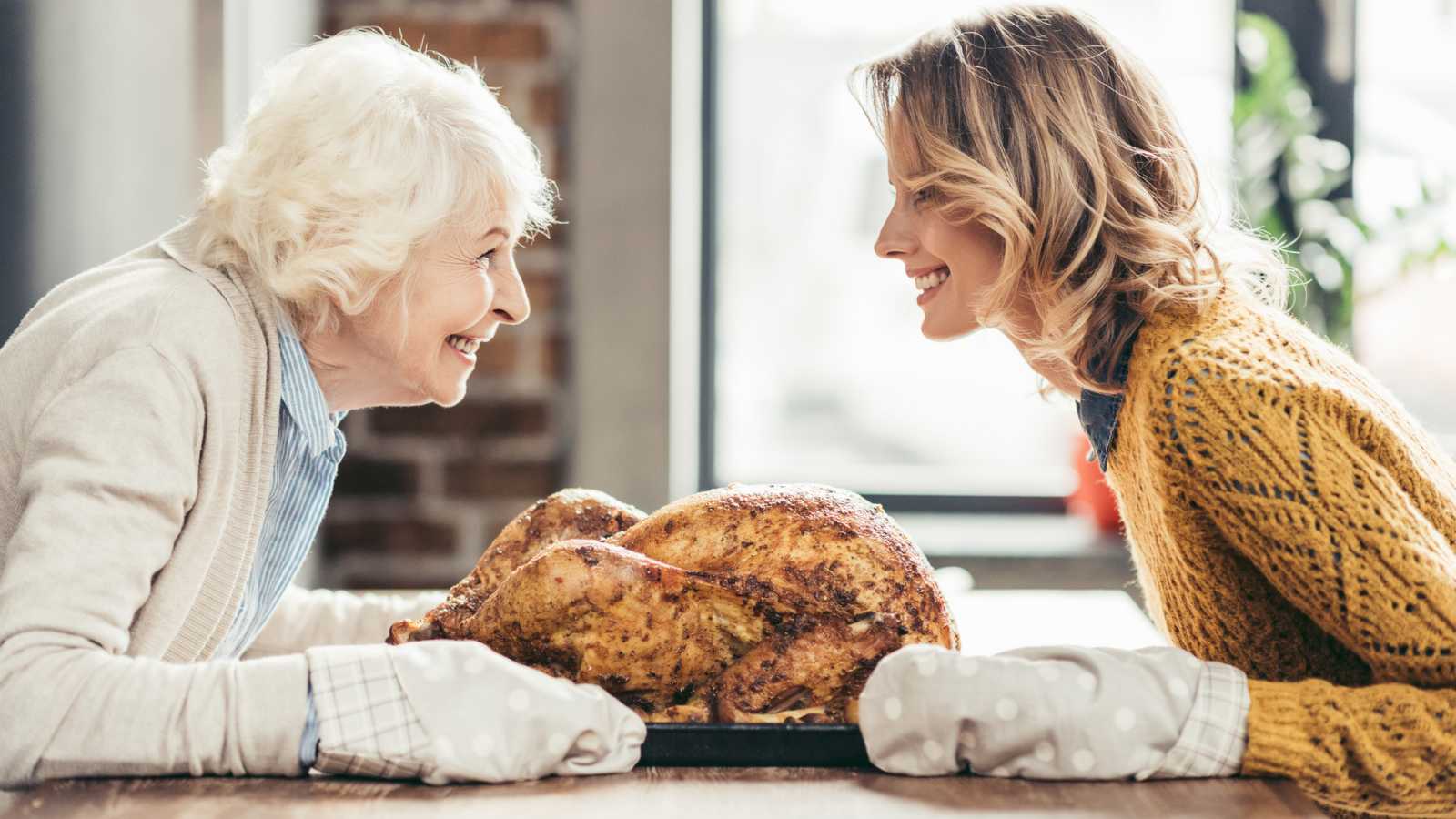
Walking into a Boomer’s kitchen can feel like stepping into a culinary Twilight Zone where the laws of microbiology and modern convenience simply don’t apply. For Gen Z, raised on air fryers and anxiety-inducing food safety TikToks, these nostalgic rituals aren’t just quirky—they’re downright baffling. The data highlights this generational chasm: according to the International Food Information Council’s recent survey, Gen Z is significantly more likely to be concerned about food safety protocols than Boomers, who often view these habits as “common sense” rooted in tradition.
I’ve spent enough holidays dodging “countertop-thawed” turkey to know this struggle intimately. The generational divide isn’t just about taste; it’s a clash between the “scarcity mindset” of the past and the “safety mindset” of the present. Ever wondered why your grandmother washes chicken or why your dad hoards margarine tubs?
Here are the six rituals that are causing a major generational disconnect.
The great chicken bath

Nothing triggers a Gen Z home cook quite like watching a Boomer rinse raw poultry in the sink. For older generations, this ritual is about “cleaning” the meat—washing off slime or debris, a habit reinforced by TV legends like Julia Child. But for Gen Z, who treat the kitchen like a biohazard lab, this is a nightmare. The USDA explicitly advises against washing raw poultry because it splashes bacteria onto countertops, utensils, and nearby food.
Science backs up the younger generation’s horror. A definitive study found that 60% of participants who washed raw poultry had bacteria in their sinks afterward, and 26% successfully transferred those bacteria to their salad lettuce. While Boomers think they are purifying dinner, they are actually aerosolizing Salmonella up to three feet away. IMO, it’s time to retire the bird bath.
Thawing meat on the countertop
You walk into the kitchen at 8 AM, and there it is: a brick of ground beef sitting on the counter, sweating in the room-temperature air. To a Boomer, this is just “planning ahead.” To Gen Z, this is a direct violation of the “Danger Zone” (40°F–140°F), where bacteria multiply rapidly. Bacteria can double in number in as little as 20 minutes when food is left in this temperature range.
Experts warn that perishable foods should never sit out for more than two hours, yet many Boomers swear by the “all-day thaw.” However, the CDC estimates that 48 million Americans get sick from foodborne illnesses annually, and improper temperature control at home is a leading culprit. Gen Z, preferring the safety of a refrigerator thaw or a cold water bath, would rather not become a statistic. We like our burgers without a side of food poisoning, thanks.
The eternal bacon grease jar
Peel back the foil on a mug next to the stove, and you’ll likely find a solidified, opaque substance: the bacon grease reserve. This ritual has deep roots; during WWII, the government actually urged housewives to save waste fats to produce glycerin for explosives. Post-war, it remained a thrifty way to add flavor to green beans or eggs.
For health-conscious Gen Z, seeing a jar of animal fat sitting at room temperature is a “hard pass.” Recent consumer trends show a massive shift, with 73% of Gen Z consumers actively seeking “clean label” and heart-healthy ingredients, viewing saturated animal fats sitting on a counter as an artifact of a bygone era. While Boomers see “liquid gold,” Gen Z sees a heart attack waiting to happen—and a visual “ick” factor they just can’t get past.
The mystery tub roulette
We’ve all been there: you reach for the Cool Whip, pop the lid, and find leftover beef stew. Boomers are masters of reusing single-use plastic tubs, a habit born from a desire to waste nothing. However, experts warn that these plastics (often PET or polystyrene) are designed for one-time use and can degrade with heat and washing.
Gen Z fears the chemicals, and rightly so. A widely cited 2019 study by the University of Newcastle suggests humans may be ingesting approximately 5 grams of plastic every week—the equivalent of a credit card. Research suggests that heating food in single-use plastic containers can release microplastics and endocrine disruptors, such as BPA, into your leftovers. For a generation hyper-aware of “toxic load,” eating hot soup out of a degrading margarine tub is a terrifying concept. FYI: Glass containers are the new status symbol.
The shrine of “fine china.”

Boomers often have a dedicated cabinet (or an entire room!) for Fine China that gets used maybe once a year. It’s a symbol of adulthood and stability. Gen Z, however, views these delicate, hand-wash-only plates as a burden. A recent survey by resale marketplace Chairish found that demand for formal dinnerware has dropped significantly, with prices for standard vintage china sets plummeting by more than 40% over the last decade.
The market reflects this shift; young people don’t have the space or the patience for “special occasion” dishes. We eat dinner on the couch or at a kitchen island, not in a formal dining room that collects dust 364 days a year.
The cursive code
Finally, there’s the analog disconnect. Boomers treasure their handwritten recipe cards, often penned in looping cursive. But for Gen Z, who grew up with tablets and typed text, reading these heirlooms can be a legitimate struggle. With the Common Core State Standards essentially removing cursive from mandatory curricula in 2010, a significant portion of younger cooks literally cannot decipher the instructions.
While Boomers find the tactile experience of a recipe box sentimental, Gen Z relies on digital formats and video tutorials. Considering that more than 70% of Gen Z use social media platforms like TikTok for recipes more than physical cookbooks, if it doesn’t have a “Jump to Recipe” button, does it even exist?
Key Takeaway

The kitchen conflicts between Boomers and Gen Z aren’t just about being picky; they represent a massive shift from survival and thrift to safety and efficiency. While Boomers prioritize reusing resources and trusting their eyes (is it clean?), Gen Z prioritizes trusting the data (what’s the bacterial load?). Neither is entirely wrong in their context, but if you want to bridge the gap, maybe buy your Boomer parents a meat thermometer—and please, throw away that Cool Whip tub.
Read the Original Article on Crafting Your Home.