6 Historic Moments Boomers Witnessed Live on Television
Television became the window through which the world witnessed history unfold. For Baby Boomers, these live broadcasts were more than just news; they were shared experiences that defined an era. From technological marvels to profound societal shifts, these moments not only captivated audiences but also shaped the collective consciousness of a generation.
Here are the six most pivotal historical moments that millions watched live, each leaving an indelible mark on the world.
Apollo 13 Rescue
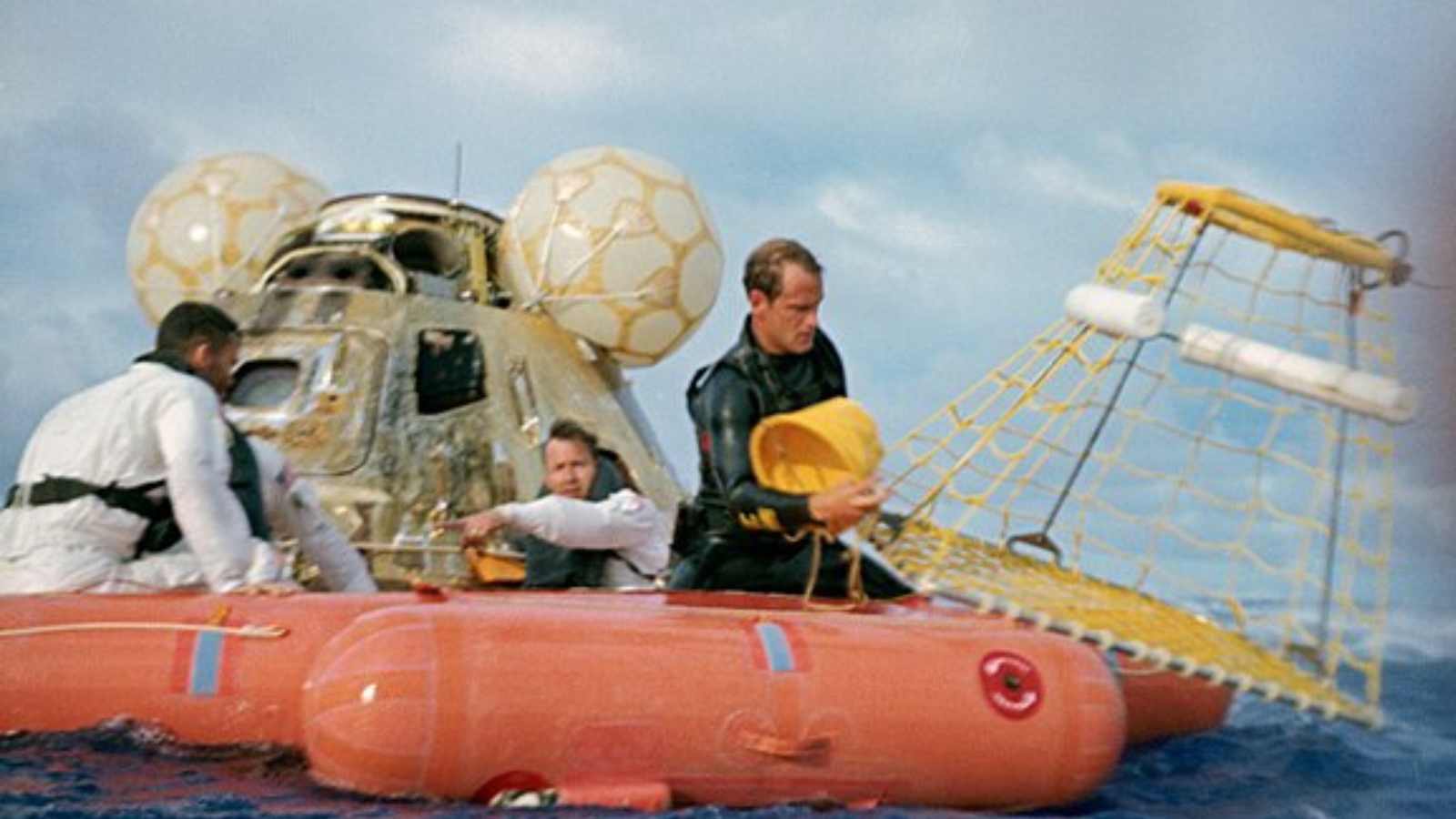
In April 1970, when the Apollo 13 mission suffered a life-threatening malfunction, the world watched as NASA’s engineers and astronauts worked together to overcome seemingly insurmountable odds. As news of the oxygen tank explosion reached the public, millions of people followed the crisis unfold in real-time.
The Moon Landing
On July 20, 1969, the world held its breath as Neil Armstrong became the first human to step onto the surface of the Moon. The broadcast, seen by an estimated 600 million people worldwide, was a monumental achievement that united people from every corner of the Earth. As Armstrong’s famous words echoed through living rooms, “That’s one small step for man, one giant leap for mankind,” the impossible became possible.
The Beatles on The Ed Sullivan Show
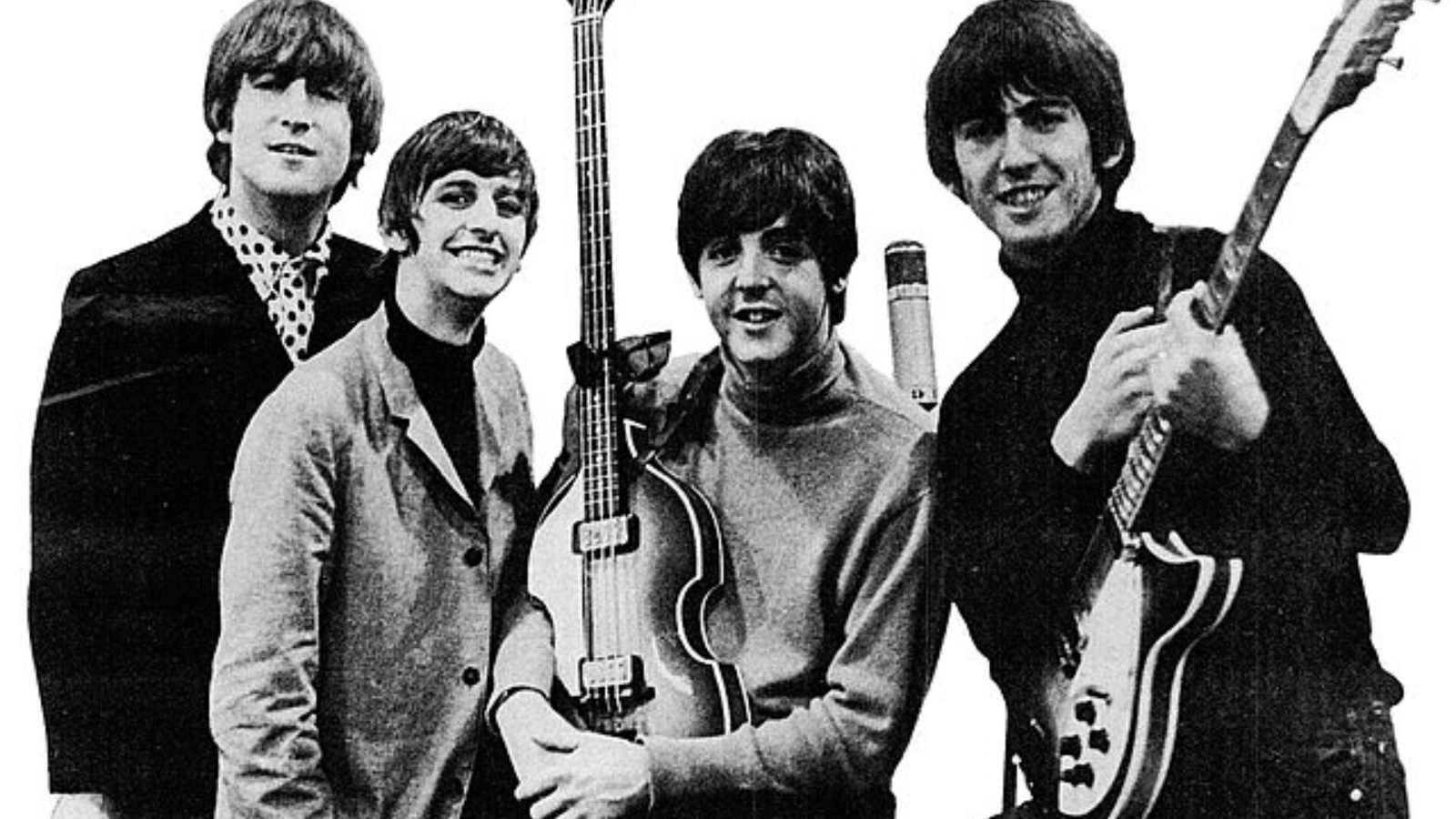
On February 9, 1964, The Beatles made their unforgettable debut on The Ed Sullivan Show. What started as a television performance quickly became a cultural revolution. Their arrival marked the beginning of the British Invasion and forever altered the course of music, fashion, and youth culture.
The Fall of the Berlin Wall
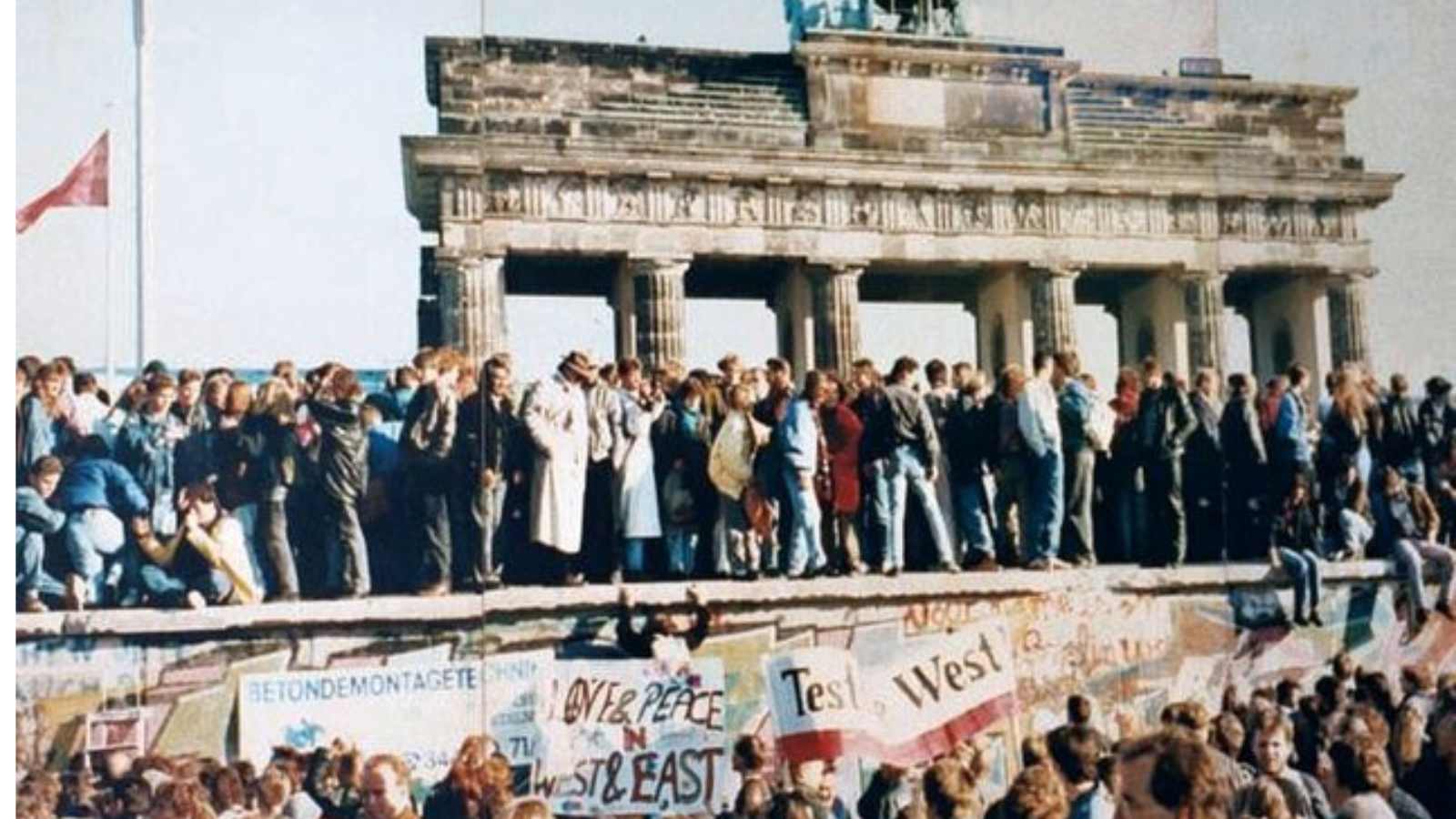
On November 9, 1989, the world watched as the Berlin Wall, the physical and ideological symbol of the Cold War, came tumbling down. The moment was not only a visual spectacle of East Germans tearing down the concrete barrier but also a profound political event that signaled the end of an era.
JFK’s Funeral
The assassination of President John F. Kennedy on November 22, 1963, shattered the nation’s sense of security and unity. The televised funeral turned into a collective experience of mourning. Families across the country sat in front of their television sets, watching the somber procession as Jacqueline Kennedy, flanked by her children, followed her husband’s flag-draped coffin through the streets of Washington, D.C.
Martin Luther King Jr.’s “I Have a Dream” Speech

On August 28, 1963, during the March on Washington, Martin Luther King Jr. delivered his iconic “I Have a Dream” speech, a moment that would resonate through history. Broadcast live, King’s stirring words about equality, justice, and brotherhood became the clarion call for the Civil Rights Movement.
Conclusion
These six events, witnessed live on television, are not just moments in history; they are the shared experiences that united generations. From the awe-inspiring sight of a man walking on the Moon to the tearful farewell to a fallen president, these broadcasts allowed people to be a part of history, not as passive observers, but as active participants in a global conversation.
These are the moments that defined an era, and their power continues to resonate with us today.