6 Everyday Foods You Didn’t Know Were Invented by the U.S. Military
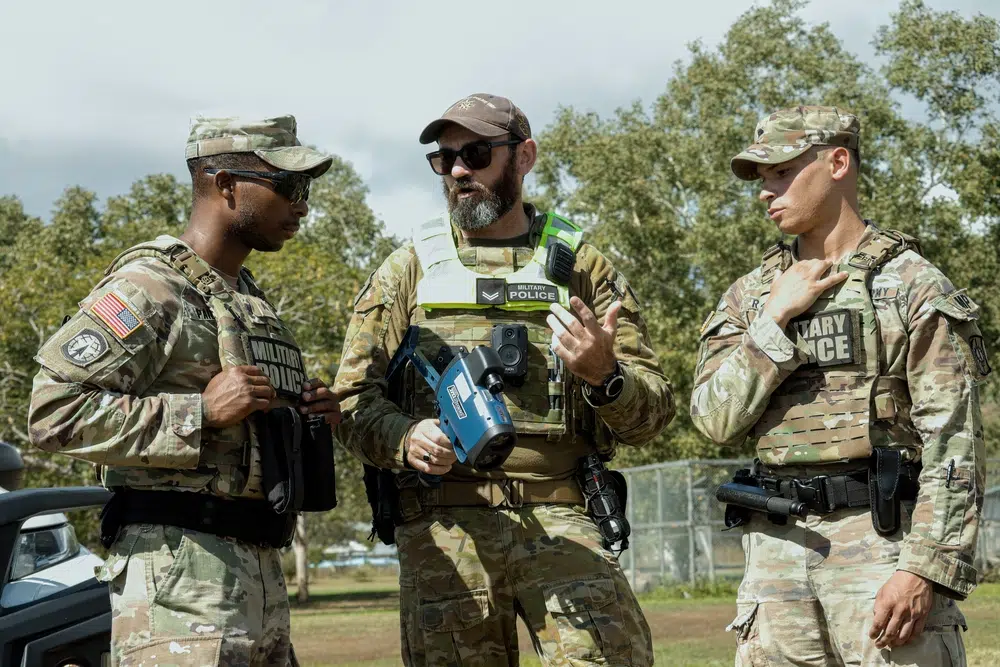
The U.S. military’s mission to provide soldiers with nutritious, portable, and shelf-stable food during wartime has resulted in some of the most ingenious food innovations in history.
From dehydrated coffee to freeze-dried meals, the military’s food science research has revolutionized the way we eat today. Many everyday foods we take for granted were initially developed for combat rations, and their widespread availability in supermarkets owes a great deal to military ingenuity.
Below, we explore 10 everyday foods that you may not realize were originally created by the U.S. military.
Instant Coffee
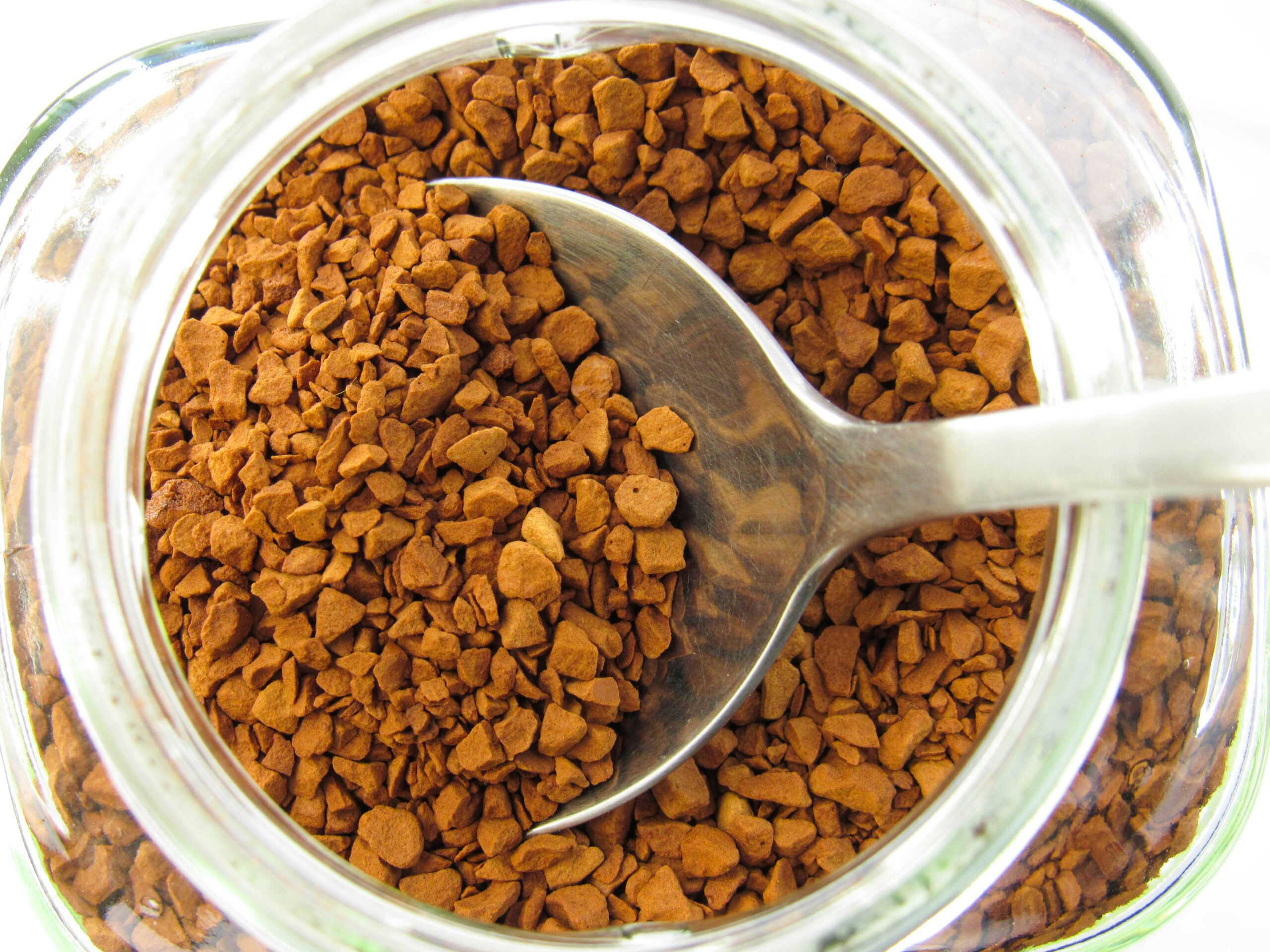
Instant coffee traces its origins back to the Spanish-American War in 189 Household Staple**
Instant coffee traces its origins back to the Spanish-American War in 1898, where the military sought a quick, convenient coffee solution for soldiers. This led to the development of early coffee concentrates, though the taste left much to be desired.
By World War I, scientists had refined the process, creating “Red Cross coffee” cubes that soldiers greatly appreciated for their convenience during long, grueling trench warfare. It wasn’t until World War II, when the U.S. military purchased enormous quantities of instant coffee from companies like Nestlé, that it cemented its place in civilian markets. Today, instant coffee is a global convenience, but its mass commercial success is rooted in military demand.
Stale-Resistant Bread

For centuries, bread was a logistical challenge for military rations due to its short shelf life. The military needed bread that could remain soft and fresh for longer periods, even in harsh conditions. By the 1950s, researchers at Kansas State University developed a formula using specific fatty acids and bacterial enzymes to prevent bread from going stale.
The result was a loaf that could endure for weeks without hardening. This technology paved the way for today’s soft sandwich bread found in stores nationwide and even contributed to fast food chains’ soft burger buns.
Restructured Meat Products (McRib)
In the 1960s, the military recognized that transporting whole cuts of meat was inefficient and costly. Scientists at the Natick Soldier Research, Development, and Engineering Center developed a method for creating “fabricated beefsteaks” by grinding lower-cost cuts of meat, adding binders, and pressing the mixture into uniform shapes.
This innovation led to the creation of restructured meat, which was quickly adopted by the civilian food industry. McDonald’s famously used this technology in the production of their McRib sandwich, and it also paved the way for the widespread popularity of Chicken McNuggets. The McRib and similar products would not have existed without military advancements in meat processing.
Energy Bars
The concept of energy bars traces its origins back to the military’s need to provide high-calorie, easily portable food for soldiers during emergencies. In the 1930s, the Army partnered with Hershey Co. to create the Logan D ration, a calorie-dense chocolate bar. While effective, the bars were hard to swallow due to their bitter taste.
In the 1960s, the military worked with NASA scientists to improve energy bars by incorporating advanced moisture control technology. This led to the creation of the apricot bar, which was tested by astronauts on the Apollo missions. By the 1970s, the civilian market had adopted the technology, with products like Space Food Sticks making their debut, eventually paving the way for today’s energy and granola bars.
The Tropical Chocolate Bar
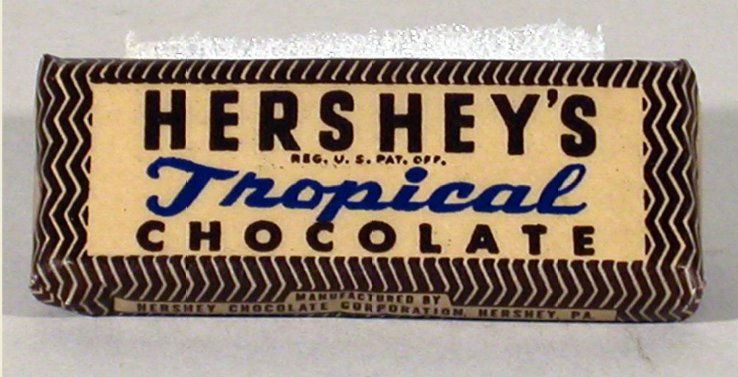
During World War II, soldiers stationed in tropical climates faced the problem of chocolate melting in the heat. The U.S. Army requested Hershey to develop a chocolate bar that would withstand temperatures up to 120°F.
The result was the Tropical Chocolate Bar, which became an essential part of soldiers’ rations between 1941 and 1944. The technology behind stabilizing chocolate in high heat not only contributed to military survival but also influenced the development of non-melting chocolate bars in the civilian market.
Freeze-Drying
During World War II, the U.S. military faced the challenge of providing lightweight, shelf-stable food and medical supplies without refrigeration. This led to the refinement of freeze-drying technology, which was developed with the help of MIT researchers.
The process, which involves freezing a product and reducing the pressure around it to allow water to sublimate directly into vapor, preserves the structure, flavor, and nutrients of food far better than traditional dehydration methods. Freeze-dried food became crucial for transporting blood plasma, medications, and rations, and today, it is widely used in products like astronaut ice cream and backpacking meals.
Conclusion
The U.S. military’s pursuit of efficient, non-perishable rations during wartime has had an enduring impact on the consumer food industry. From instant coffee to potato flakes, many of the foods we rely on today were made possible by military research and development.
As the military continues to drive food innovation, the lines between battlefield necessities and supermarket staples become ever more intertwined, ensuring that the legacy of military food science continues to shape the way we eat.
Read the original article on crafting your home