6 dinners we’re all tired of pretending to like
Admit it: you’ve choked down a $20 salad that tasted like wet cardboard just to feel “virtuous,” but deep down, you wanted a slice of pizza. You aren’t alone in this culinary exhaustion. Recent data from HelloFresh reveals a massive shift in American dining habits, with 49% of adults feeling guilty about their food choices and a widespread rejection of “performative wellness” trends that dominated the last few years.
We are officially done with culinary cosplay. Sales data from 2024 and 2025 show that consumers are abandoning high-priced, ultra-processed substitutes in favor of authentic, comforting meals. With inflation squeezing our wallets and GLP-1 medications reshaping our cravings, we simply don’t have the patience for bad food anymore. Here are the six dinners we are finally ready to stop faking enjoyment for.
The ultra-processed fake burger
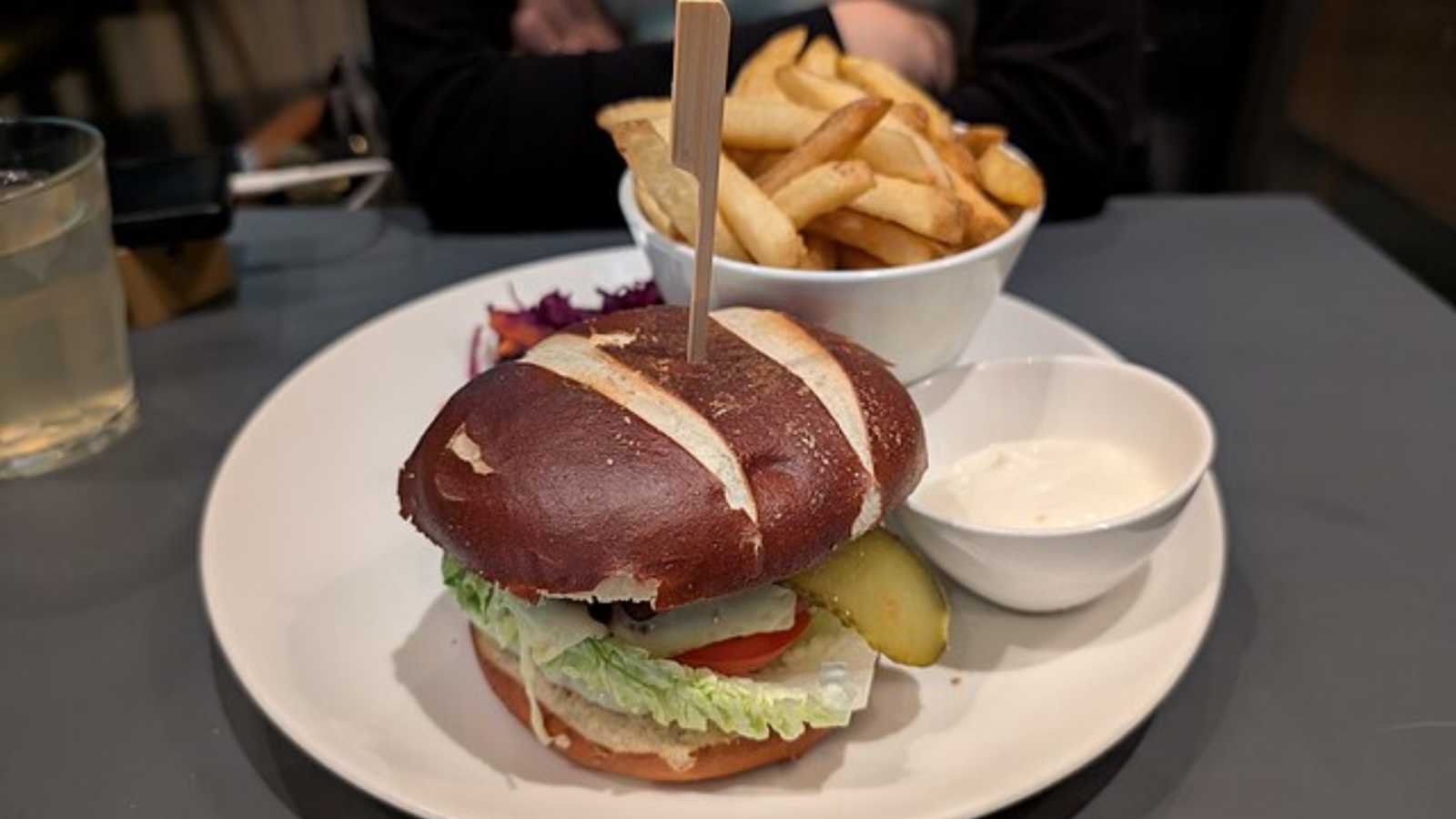
Remember when we thought bleeding beet juice was the future? That future is cancelled. Retail sales for refrigerated plant-based burgers crashed by 26% recently, proving that most of us were just curious flexitarians who eventually realized these patties often taste like chemical sponges. A major sensory study found that the average plant-based burger significantly underperforms real beef in texture and flavor, often described by tasters as “mushy” or “dry”.
Chefs and consumers are pivoting back to whole foods like beans and lentils rather than “protein-washed” science experiments. As one Reddit user perfectly summarized the collective mood: “I’d rather have meat than a UPF [Ultra-Processed Food]”. If you want a burger, eat a burger; if you want plants, eat a salad. IMO, we’re done with the middle ground.
The soggy sheet pan dinner
Social media promised us a one-pan miracle, but physics gave us a tray of steamed disappointment. Celebrity Chef Gordon Ramsay calls these “the most boring things ever,” and he’s right. The problem is simple thermodynamics: when you crowd chicken, potatoes, and broccoli onto one pan, the moisture escapes, steaming the food rather than roasting it, resulting in gray meat and mushy veg.
Why do we keep pretending this tastes good? True roasting requires air circulation and high heat, which you lose the moment you pile ingredients on top of each other. You deserve better than boiled chicken, even on a Tuesday.
The “girl dinner” snack plate
What started as a funny TikTok trend about eating leftovers has morphed into a glorification of malnutrition. Nutritionists warn that a plate of pickles, popcorn, and cheese does not constitute a meal, yet we keep scrolling and snacking. Critics now refer to these grazing tables as “troughs,” noting that they often lack the protein and fiber needed to actually fuel an adult human.
It’s not just about health; it’s about the “infantilization” of women’s appetites. Why are we celebrating eating like toddlers? Eating a balanced, hot meal isn’t “trad wife” labor; it’s basic self-care.
The vegetable imposter (cauliflower & zoodles)
We need to apologize to the pizza. The cauliflower crust, often bound with so much cheese and egg that it has more calories than regular dough, tastes like “lies and disappointment,” and is a textural failure. Even celebrity chef Giada De Laurentiis didn’t mince words, stating she “………. hates” cauliflower rice.
The zucchini noodle (“zoodle”) is also dead in the water. Noodles & Co. famously pivoted away from them after realizing customers actually want the “chew” of real wheat, launching “Leanguini” instead to stop the sales bleeding. Life is too short for watery vegetables pretending to be pasta.
The $18 homogenized grain bowl
You know the one: a cardboard bowl filled with lukewarm grains, wilting greens, and a “protein” scoop, all mashing together into a uniform sludge. “Bowl fatigue” is real, with major chains like Sweetgreen facing traffic dips as consumers tire of paying nearly $20 for a meal that lacks texture.
Critics argue these bowls strip diners of agency; you can’t craft a perfect bite because everything is pre-mixed into a “dog food“, like consistency. Plus, with fast-casual prices skyrocketing, that sad desk salad suddenly feels like a rip-off.
The truffle oil scam
This is the ultimate “luxury” lie. Did you know that most truffle oil contains zero truffles? It’s usually olive oil mixed with 2,4-dithiapentane, a synthetic chemical derived from petroleum products. Chefs despise it; Gordon Ramsay has called it one of the “worst things” in the kitchen because it “numbs the palate” and tastes metallic.
We’ve been paying extra to pour perfume on our fries. It’s performative dining at its worst, paying for the idea of luxury rather than the taste of it.
Key Takeaway

The data is clear: 2025 is the year we reclaim our palates. We are trading “hacks” and “substitutes” for authenticity. Whether it’s a real steak, a proper pasta dish, or a simple vegetable that isn’t pretending to be a carbohydrate, the trend is Honesty. Stop eating for the algorithm and start eating for your taste buds.
See you at the dinner table (with real plates), Your Foodie Friend
Read the Original Article on Crafting Your Home.