6 Common Routines That Take Longer As You Age

As we age, life seems to slow down in subtle ways. It’s not always the significant milestones we notice, but the gradual change in how we move through the world. Tasks that once felt quick and effortless now demand more time and attention. These small, everyday routines shift in rhythm, and while they might not be immediately apparent, their cumulative effect is felt over time.
Getting Comfortable in Bed

Sleep doesn’t come as easily as it once did. Older adults often find themselves fiddling with pillows, adjusting blankets, or shifting positions before finally falling asleep. This increase in time to fall asleep is linked to changes in sleep latency, the time it takes to fall asleep.
Finding Words in Conversation
There’s no denying it, tip-of-the-tongue moments become more frequent as we age. As we grow older, our brains process information a little more slowly, including retrieving words during conversation. This cognitive shift doesn’t necessarily mean memory loss, but rather a slight delay in verbal recall.
Counting Coins and Handling Small Objects
In our younger years, counting change or picking up a small object was done without a second thought. However, as we age, dexterity decreases, and what was once a quick action now takes a little longer. Research shows that as hand strength diminishes with age, even the simplest tasks, like handling coins, can become more difficult.
Putting on Socks and Shoes
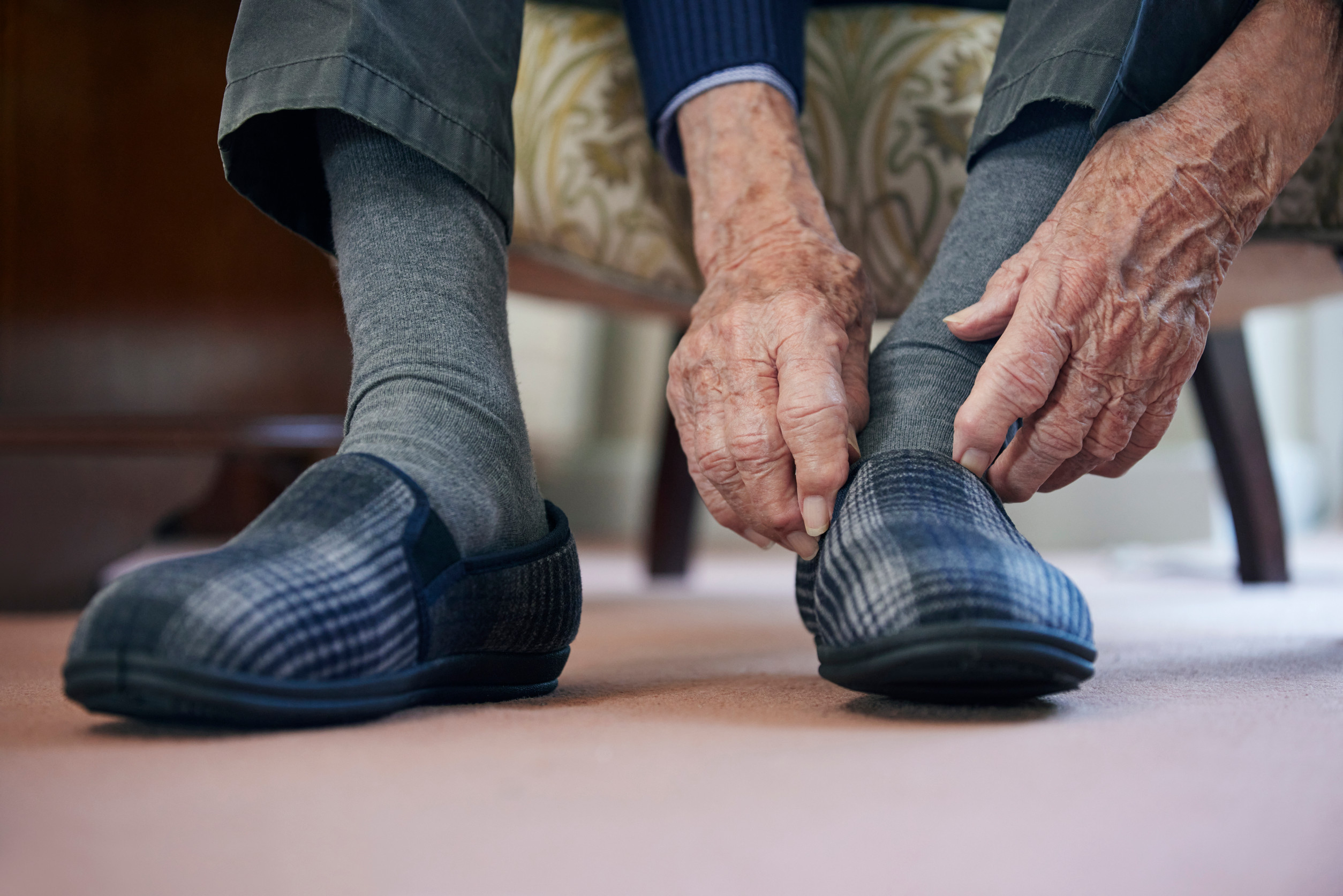
What used to be a seamless task of bending over and slipping on socks or shoes now requires more effort. Mobility issues begin to surface as we age, especially in the hips, knees, and lower back. The natural wear and tear on joints can make bending or reaching for something more challenging.
Reading Instructions or Menus
For years, reading a menu or following a set of instructions was effortless. But with age, the lens of the eye naturally stiffens, leading to slower focus and eye strain. It might take a few extra seconds to focus on the fine print or to shift the page for a clearer view.
Getting Out of a Car
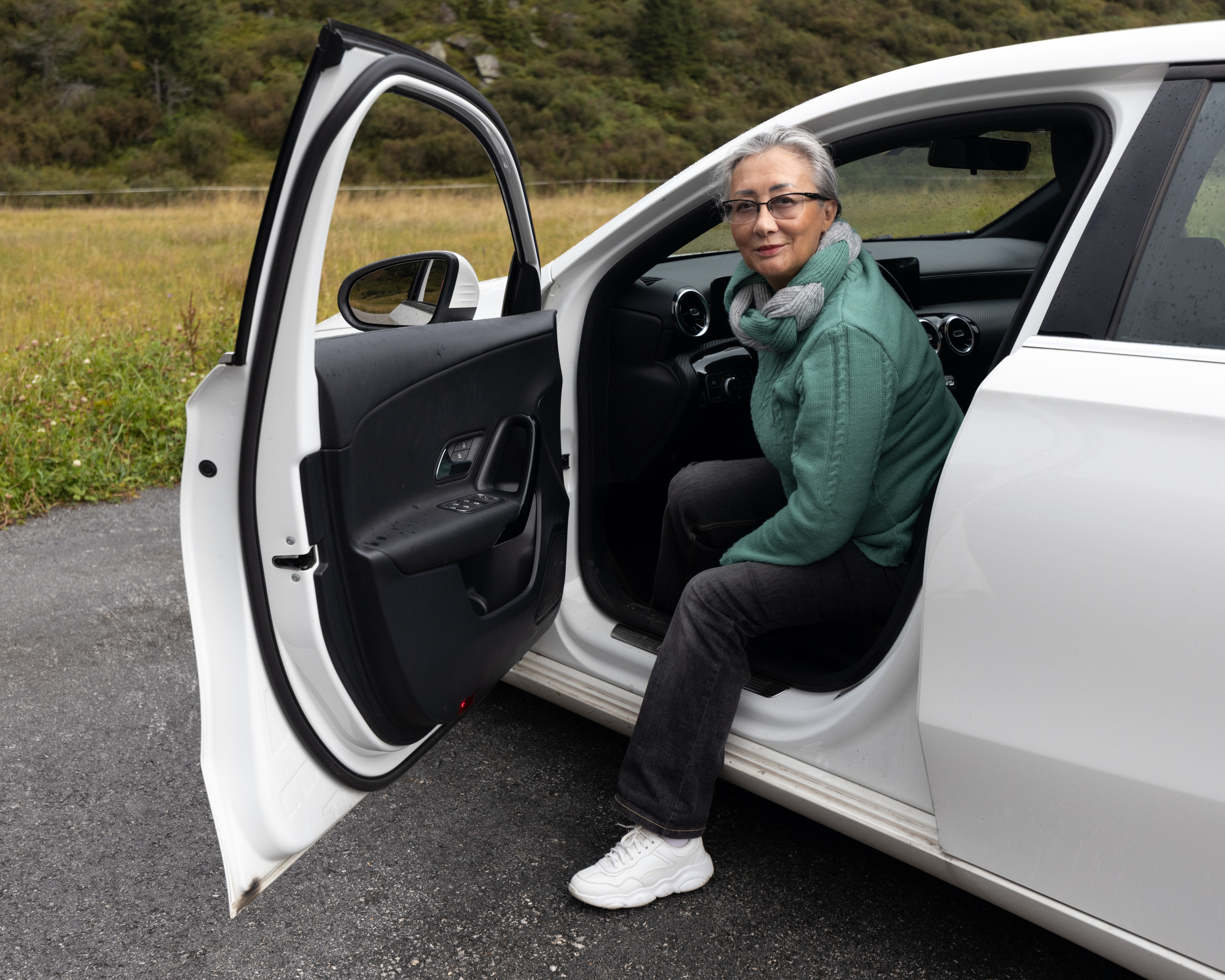
Getting out of a car, especially after a long drive, used to be second nature. Now, with age, it requires more deliberate movements. The process of swinging the legs out, steadying oneself, and standing up becomes a mini routine.
Conclusion
Aging is not just about significant changes; it’s in the quiet, slow shifts that happen every day. These six routines, while seemingly minor, illustrate how time reshapes our interactions with the world. They remind us that aging isn’t something to fear but to embrace.
With each extra second spent in these daily tasks, we are simply navigating the natural rhythms of life. Understanding and accepting these changes allows us to move forward with grace, patience, and a deeper appreciation for each moment.