6 Common Money-Wasting Habits Among Middle-Class Americans and How to Avoid Them
Image Credit: pvproductions/123rf Photos
Middle-class Americans often work hard for every dollar they earn. Yet, despite a steady income, many fall victim to financial traps that quietly drain their savings and diminish their wealth over time.
These seemingly innocent habits can have a profound impact on long-term financial stability. It’s essential to identify these behaviors and make smarter choices for a more secure financial future.
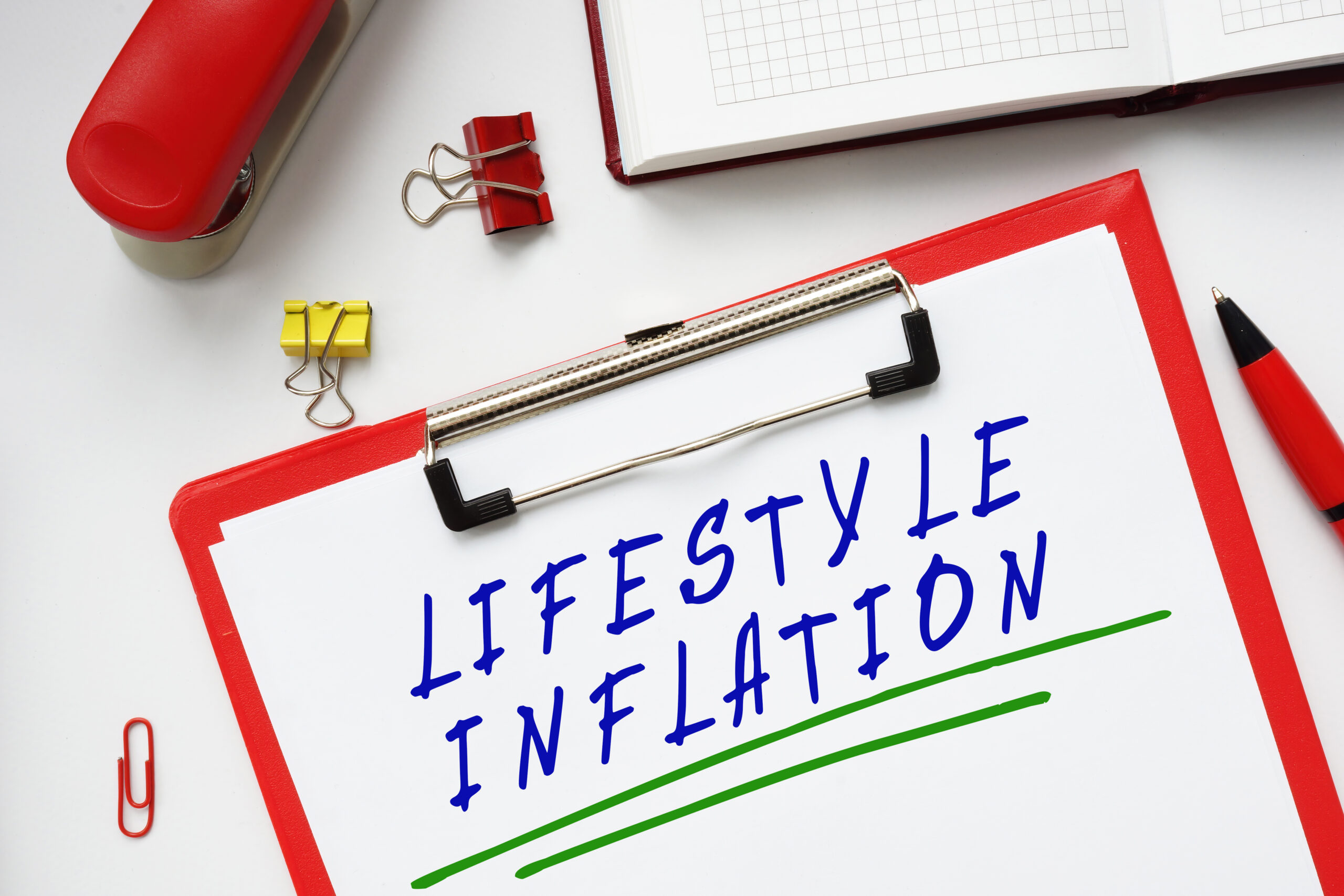
Lifestyle Inflation
Image Credit: rummess/123rf Photos
When your income increases, it’s tempting to upgrade your lifestyle; buy a bigger house, a nicer car, or indulge in more luxuries. Lifestyle inflation, often results in a situation where higher earnings do not equate to improved financial stability.
Rather than increasing your spending every time you get a raise, make it a habit to save at least half of any additional income. This strategy allows you to grow your savings, regardless of how much you earn.
Buying New Cars
Image Credit: senivpetro/freepik Photos
There’s something undeniably alluring about that new car smell and the sleek appearance of a brand-new vehicle. However, purchasing a new car is often one of the most significant financial mistakes that middle-class Americans make. The moment you drive a new car off the lot, it depreciates by 20-30%, which is a steep loss.
Instead of investing in a new car, consider purchasing a reliable, slightly used vehicle that has already taken the depreciation hit. Not only will you save thousands, but you will also avoid paying interest on a car loan for an asset that loses value rapidly.
Overextending Yourself with a Home Purchase
Many people are told to buy the largest home they can afford, thinking of it as an investment. However, this often leads to financial strain. Larger homes come with bigger mortgages, higher property taxes, more expensive utilities, and costly maintenance.
Instead of maxing out your budget on a large home, consider a more modest home that suits your needs. By avoiding the financial burden of a larger mortgage, you can save for other priorities and reduce the stress associated with homeownership.
Emotional Spending
It’s easy to use shopping as a way to deal with stress or emotions. Retail therapy, while momentarily satisfying, often leads to buyer’s remorse and an empty wallet. What we think we need in the moment is often unnecessary once the emotional high fades.
When tempted to make an impulse purchase, especially for items over $50, wait at least 24 hours before buying. This cooling-off period helps separate emotional impulses from rational decision-making, and many times, the urge to buy disappears.
Carrying High-Interest Credit Card Debt
Carrying a balance on credit cards with high-interest rates is one of the most detrimental financial habits you can have. Each time you make the minimum payment, the debt continues to grow, and you end up paying far more than the original purchase price.
If you find yourself frequently asking, “Where did all my money go?” it’s likely because you don’t have a budget. Without tracking your spending, it’s easy to lose track of where your money is going.
Tracking your income and expenses is one of the most powerful ways to gain control over your finances. Use a budgeting app or simply keep a written log to monitor your spending. A well-planned budget will help you identify areas for improvement and ensure you live within your means.
Conclusion
By recognizing and cutting out these everyday money-wasting habits, middle-class Americans can make powerful strides toward achieving true financial freedom.
Even the smallest shifts in how you spend, save, and invest can pave the way for a future of financial security and growth.
Patience is a writer whose work is guided by clarity, empathy, and practical insight. With a background in Environmental Science and meaningful experience supporting mental-health communities, she brings a thoughtful, well-rounded perspective to her writing—whether developing informative articles, compelling narratives, or actionable guides.
She is committed to producing high-quality content that educates, inspires, and supports readers. Her work reflects resilience, compassion, and a strong dedication to continuous learning. Patience is steadily building a writing career rooted in authenticity, purpose, and impactful storytelling.